

In the complex and highly specialized field of steel casting, the quality of ladle shrouds plays a pivotal role in determining the yield of casting products. As a dedicated ladle shroud supplier, I have witnessed firsthand the profound impact that these seemingly simple components can have on the overall efficiency and productivity of the casting process. In this blog post, I will delve into the various aspects of ladle shroud quality and explore how it influences the yield of casting products.
Understanding the Function of Ladle Shrouds
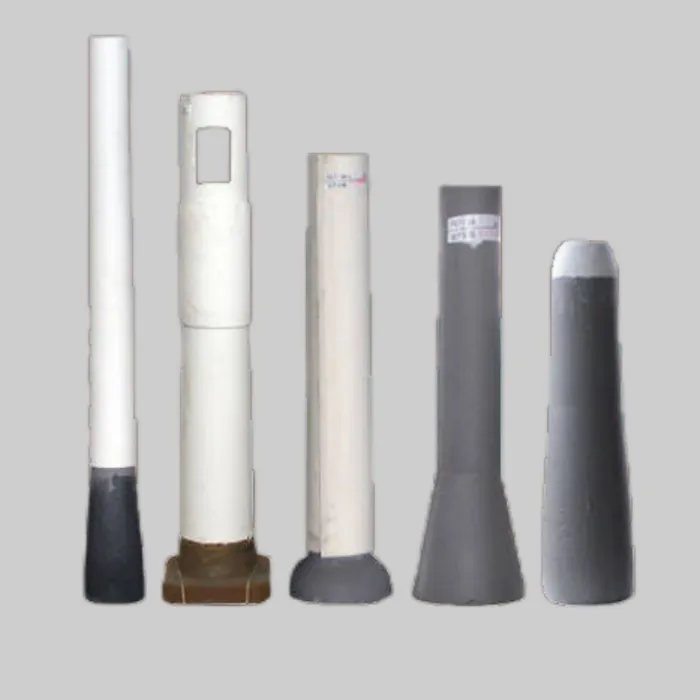
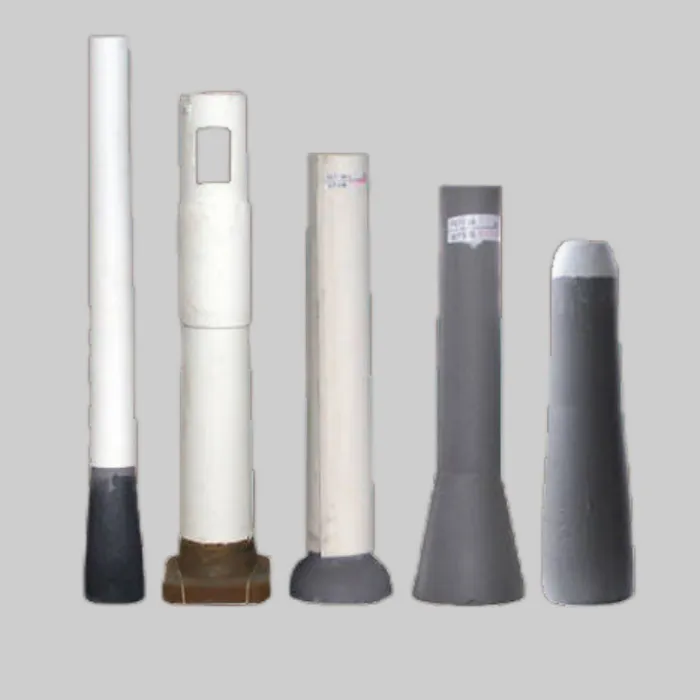
Before we can discuss the impact of ladle shroud quality on casting yield, it is essential to understand the fundamental function of these components. Ladle shrouds are refractory tubes that are used to connect the ladle to the tundish during the continuous casting process. Their primary purpose is to prevent the oxidation and contamination of molten steel as it flows from the ladle to the tundish. By creating a sealed environment, ladle shrouds minimize the exposure of the molten steel to air, which can lead to the formation of oxides and other impurities that can negatively affect the quality of the final casting product.
In addition to preventing oxidation and contamination, ladle shrouds also help to control the flow of molten steel. They are designed to provide a smooth and consistent flow of steel, which is essential for achieving uniform casting thickness and reducing the occurrence of defects such as porosity and cracks. By maintaining a stable flow of molten steel, ladle shrouds contribute to the overall efficiency and productivity of the casting process.
The Impact of Ladle Shroud Quality on Casting Yield
The quality of ladle shrouds can have a significant impact on the yield of casting products. Here are some of the key ways in which ladle shroud quality affects casting yield:
1. Prevention of Oxidation and Contamination
As mentioned earlier, one of the primary functions of ladle shrouds is to prevent the oxidation and contamination of molten steel. High-quality ladle shrouds are made from refractory materials that have excellent resistance to oxidation and corrosion. They are designed to withstand the high temperatures and harsh chemical environment of the casting process without deteriorating or breaking down.
When ladle shrouds are of poor quality, they may not provide an effective seal, allowing air to come into contact with the molten steel. This can lead to the formation of oxides and other impurities, which can reduce the quality of the final casting product. In addition, poor-quality ladle shrouds may be more prone to cracking or breaking, which can also result in the contamination of the molten steel.
By using high-quality ladle shrouds, casting manufacturers can minimize the risk of oxidation and contamination, which can help to improve the yield of casting products. High-quality ladle shrouds provide a reliable seal, preventing air from coming into contact with the molten steel and ensuring that the steel remains pure and free from impurities.
2. Control of Molten Steel Flow
Another important factor that affects casting yield is the control of molten steel flow. High-quality ladle shrouds are designed to provide a smooth and consistent flow of molten steel, which is essential for achieving uniform casting thickness and reducing the occurrence of defects.
Poor-quality ladle shrouds may have irregular internal surfaces or improper dimensions, which can disrupt the flow of molten steel. This can lead to uneven casting thickness, porosity, and other defects, which can reduce the yield of casting products. In addition, poor-quality ladle shrouds may be more prone to clogging, which can also disrupt the flow of molten steel and cause production delays.
By using high-quality ladle shrouds, casting manufacturers can ensure a smooth and consistent flow of molten steel, which can help to improve the yield of casting products. High-quality ladle shrouds are designed with precise internal dimensions and smooth surfaces, which minimize the resistance to flow and ensure that the steel flows evenly and consistently.
3. Durability and Longevity
The durability and longevity of ladle shrouds are also important factors that affect casting yield. High-quality ladle shrouds are made from high-quality refractory materials that are designed to withstand the high temperatures and harsh chemical environment of the casting process. They are more resistant to wear and tear, which means that they can be used for a longer period of time without needing to be replaced.
Poor-quality ladle shrouds may be more prone to cracking, breaking, or wearing out quickly, which can result in frequent replacements. This can not only increase the cost of production but also cause production delays, which can reduce the yield of casting products.
By using high-quality ladle shrouds, casting manufacturers can reduce the frequency of replacements, which can help to improve the yield of casting products. High-quality ladle shrouds are more durable and long-lasting, which means that they can be used for a longer period of time without needing to be replaced, reducing the cost of production and minimizing production delays.
4. Compatibility with Other Refractory Components
Ladle shrouds are just one component of the overall casting system. They need to be compatible with other refractory components such as Well Blcok and Subentry Nozzle (also known as Sub Entry Nozzle) to ensure proper functioning of the casting process.
High-quality ladle shrouds are designed to be compatible with other refractory components, which means that they can be easily integrated into the casting system without any issues. This helps to ensure a smooth and efficient casting process, which can improve the yield of casting products.
On the other hand, poor-quality ladle shrouds may not be compatible with other refractory components, which can lead to problems such as leaks, blockages, and uneven flow of molten steel. These issues can reduce the quality of the final casting product and also cause production delays, which can negatively impact the yield of casting products.
Factors Affecting Ladle Shroud Quality
There are several factors that can affect the quality of ladle shrouds. Here are some of the key factors:
1. Refractory Material
The choice of refractory material is one of the most important factors that affect ladle shroud quality. High-quality ladle shrouds are made from refractory materials that have excellent resistance to oxidation, corrosion, and thermal shock. Some of the commonly used refractory materials for ladle shrouds include alumina, magnesia, and zirconia.
The quality of the refractory material can vary depending on the source and the manufacturing process. It is important to choose a reputable supplier who uses high-quality refractory materials and has strict quality control measures in place to ensure the consistency and reliability of their products.
2. Manufacturing Process
The manufacturing process also plays a crucial role in determining the quality of ladle shrouds. High-quality ladle shrouds are manufactured using advanced manufacturing techniques that ensure precise dimensions, smooth surfaces, and uniform density.
The manufacturing process should also include strict quality control measures to ensure that the ladle shrouds meet the required specifications. This includes testing the refractory material for its physical and chemical properties, as well as inspecting the finished ladle shrouds for any defects or irregularities.
3. Design and Engineering
The design and engineering of ladle shrouds are also important factors that affect their quality. High-quality ladle shrouds are designed to provide a smooth and consistent flow of molten steel, while also minimizing the risk of oxidation and contamination.
The design of the ladle shroud should take into account the specific requirements of the casting process, such as the type of steel being cast, the casting speed, and the temperature of the molten steel. It is important to work with a supplier who has experience in designing and engineering ladle shrouds for different casting applications.
Conclusion
In conclusion, the quality of ladle shrouds plays a crucial role in determining the yield of casting products. High-quality ladle shrouds can help to prevent oxidation and contamination, control the flow of molten steel, improve durability and longevity, and ensure compatibility with other refractory components. By using high-quality ladle shrouds, casting manufacturers can improve the quality of their casting products, reduce production costs, and increase productivity.
As a ladle shroud supplier, we are committed to providing our customers with high-quality ladle shrouds that meet their specific requirements. We use only the highest quality refractory materials and advanced manufacturing techniques to ensure the consistency and reliability of our products. Our team of experienced engineers and technicians can work with you to design and develop ladle shrouds that are optimized for your casting process.
If you are interested in learning more about our ladle shrouds or would like to discuss your specific casting requirements, please do not hesitate to contact us. We look forward to the opportunity to work with you and help you improve the yield of your casting products.
References
- "Refractories for Steelmaking" by B. N. Mitra
- "Continuous Casting of Steel" by J. K. Brimacombe and M. J. Beckermann
- "Handbook of Refractory Technology" by P. V. Ramana Rao