

As a seasoned supplier of ramming mass, I often get asked about the installation temperature range for ramming mass. This is a crucial topic as the installation temperature can significantly affect the performance and longevity of the ramming mass in various industrial applications. In this blog, I'll delve into the details of the installation temperature range for different types of ramming mass and explain why it matters.
Understanding Ramming Mass
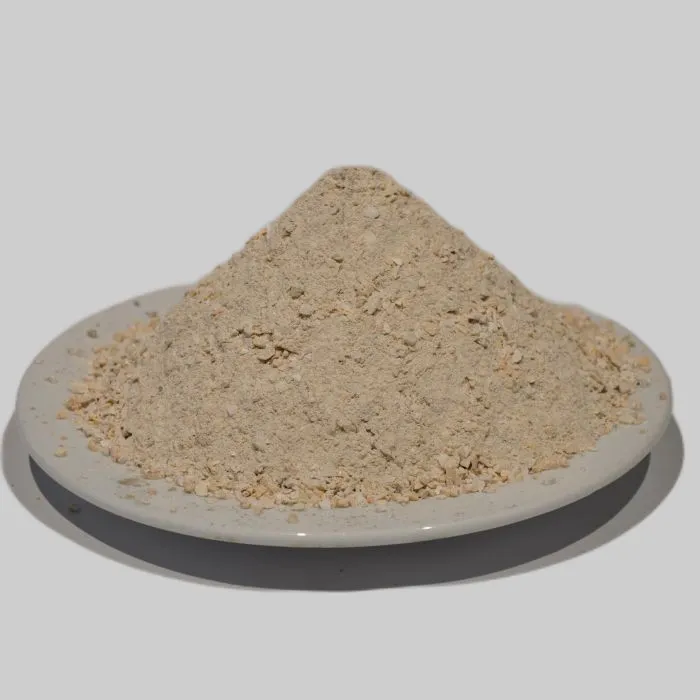
Before we discuss the installation temperature range, let's briefly understand what ramming mass is. Ramming mass is a refractory material used in lining furnaces, ladles, and other high - temperature equipment. It is typically composed of various refractory aggregates, binders, and additives. The main function of ramming mass is to provide a protective lining that can withstand high temperatures, chemical corrosion, and mechanical stress.
There are several types of ramming mass available in the market, each with its own unique properties and applications. Some of the common types include Magnesite Ramming Mass, White Ramming Mass, and Zirconia Ramming Mass.
Importance of Installation Temperature Range
The installation temperature range is a critical factor in the proper installation of ramming mass. If the temperature during installation is too low, the ramming mass may not achieve the desired density and bonding strength. This can lead to poor refractory performance, such as cracking, spalling, and reduced resistance to thermal shock. On the other hand, if the temperature is too high, the binders in the ramming mass may burn out prematurely, also affecting its performance and durability.
Installation Temperature Range for Different Types of Ramming Mass
Magnesite Ramming Mass
Magnesite ramming mass is widely used in steelmaking furnaces due to its high refractoriness and good resistance to basic slag. The typical installation temperature range for magnesite ramming mass is between 10°C and 30°C (50°F - 86°F). At temperatures below 10°C, the setting time of the ramming mass may be significantly prolonged, and it may not achieve the required compaction. In cold weather, additional heating measures may be required to ensure that the installation temperature is within the appropriate range.
When the temperature exceeds 30°C, the ramming mass may set too quickly, making it difficult to work with. This can result in uneven compaction and potential defects in the lining. Therefore, it is essential to monitor the temperature during installation and take appropriate measures to control it.
White Ramming Mass
White ramming mass is known for its high purity and excellent thermal insulation properties. It is commonly used in non - ferrous metal melting furnaces. The recommended installation temperature range for white ramming mass is slightly broader, typically between 5°C and 35°C (41°F - 95°F).
At lower temperatures, the ramming mass may become more viscous, but with proper ramming techniques, it can still be installed effectively. However, it is important to note that at very low temperatures, the curing process may be slower, and the final strength of the lining may be affected. At higher temperatures, the risk of rapid drying and cracking increases. Adequate moisture control and proper ramming procedures are necessary to ensure a successful installation.
Zirconia Ramming Mass
Zirconia ramming mass is used in high - temperature applications where excellent thermal shock resistance and corrosion resistance are required, such as in glass melting furnaces. The installation temperature range for zirconia ramming mass is relatively narrow, usually between 15°C and 25°C (59°F - 77°F).
This type of ramming mass is very sensitive to temperature changes. At temperatures outside this range, the chemical reactions that occur during the installation and curing process may be disrupted. For example, at lower temperatures, the formation of the zirconia crystal structure may be incomplete, leading to reduced mechanical strength. At higher temperatures, the ramming mass may experience excessive shrinkage, which can cause cracks in the lining.
Factors Affecting the Installation Temperature Range
Several factors can affect the installation temperature range of ramming mass. These include the type of binder used, the particle size distribution of the refractory aggregates, and the environmental conditions.
The binder in the ramming mass plays a crucial role in determining its setting and curing behavior. Different binders have different temperature sensitivities. For example, some organic binders may be more sensitive to high temperatures, while inorganic binders may be more stable over a wider temperature range.
The particle size distribution of the refractory aggregates also affects the installation temperature range. A well - graded particle size distribution can improve the workability of the ramming mass and its ability to achieve proper compaction at different temperatures.
Environmental conditions, such as humidity and air flow, can also impact the installation temperature range. High humidity can slow down the drying process, while strong air flow can cause rapid drying and increase the risk of cracking.
Tips for Installation at Different Temperatures
Cold Weather Installation
- Pre - heating: Pre - heat the ramming mass and the installation area to the appropriate temperature. This can be done using heaters or by storing the ramming mass in a warm place before use.
- Use of additives: Some additives can be used to improve the workability and setting properties of the ramming mass at low temperatures. However, it is important to follow the manufacturer's recommendations when using additives.
- Proper ramming: Increase the ramming force to ensure proper compaction, as the ramming mass may be more viscous at low temperatures.
Hot Weather Installation
- Cooling measures: Use cooling methods, such as spraying water on the installation area or using fans to increase air circulation, to keep the temperature within the recommended range.
- Moisture control: Monitor the moisture content of the ramming mass and add water as needed to prevent rapid drying. However, be careful not to add too much water, as this can affect the strength of the lining.
- Work in shifts: Divide the installation work into shorter shifts to avoid overheating the ramming mass during the installation process.
Conclusion
In conclusion, the installation temperature range is a crucial factor in the successful installation of ramming mass. Different types of ramming mass have different installation temperature requirements, and it is essential to follow these guidelines to ensure the best performance and longevity of the refractory lining.
As a ramming mass supplier, we are committed to providing high - quality products and technical support to our customers. If you have any questions about the installation temperature range or any other aspects of ramming mass, please feel free to contact us. We are here to help you make the right choice for your industrial applications and ensure a smooth installation process. Whether you are in the steelmaking, non - ferrous metal, or glass industry, our ramming mass products can meet your specific needs.
If you are interested in purchasing ramming mass or would like to discuss your requirements in more detail, please reach out to us. We look forward to the opportunity to work with you and provide you with the best solutions for your refractory needs.
References
- "Refractory Materials Handbook", John Wiley & Sons
- "Industrial Furnace Design and Operation", CRC Press
- Manufacturer's technical data sheets for magnesite, white, and zirconia ramming mass.