

What is the pressure rating of a slide gate plate?
As a supplier of slide gate plates, I often encounter inquiries regarding the pressure rating of these essential components. Slide gate plates play a crucial role in various industrial applications, particularly in the steelmaking and foundry industries, where they are used to control the flow of molten metal. Understanding the pressure rating of a slide gate plate is vital for ensuring its safe and efficient operation.
Understanding Slide Gate Plates
Before delving into the pressure rating, it's important to have a basic understanding of slide gate plates. Slide gate plates are refractory components that are used in conjunction with slide gate systems. These systems are designed to regulate the flow of molten metal from a ladle or tundish into a mold or other receiving vessel. The slide gate plate consists of a flat, rectangular plate with a central opening through which the molten metal passes. The plate is typically made of high - quality refractory materials, such as alumina, magnesia, or zirconia, which can withstand the extreme temperatures and corrosive nature of molten metal.
The operation of a slide gate system involves the movement of the slide gate plate relative to a stationary plate. By sliding the plate, the opening can be adjusted to control the flow rate of the molten metal. This precise control is essential for maintaining the quality of the cast product and ensuring the safety of the casting process.
Pressure Rating Defined
The pressure rating of a slide gate plate refers to the maximum pressure that the plate can withstand without experiencing structural failure or excessive deformation. This pressure is typically measured in pounds per square inch (psi) or megapascals (MPa). The pressure rating is determined by several factors, including the material properties of the refractory, the design of the plate, and the manufacturing process.
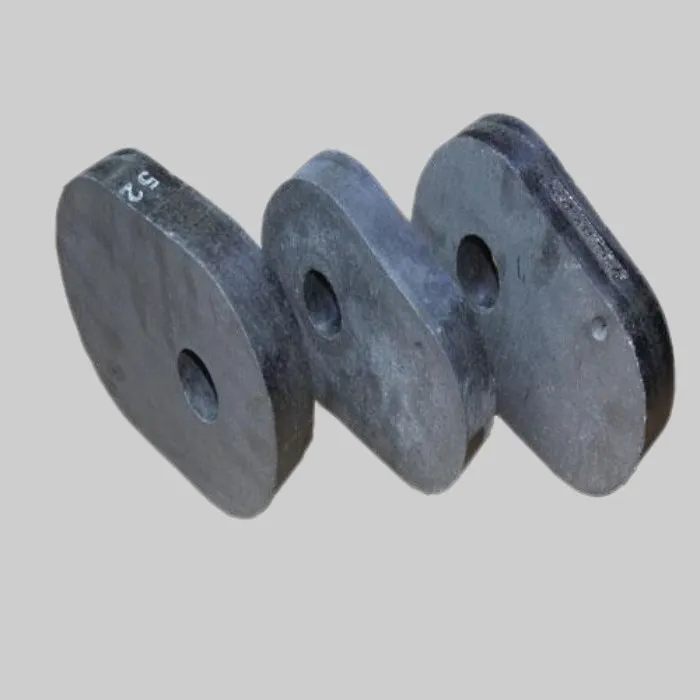
Material properties play a significant role in determining the pressure rating. High - quality refractory materials with excellent mechanical strength, thermal shock resistance, and corrosion resistance are more likely to have a higher pressure rating. For example, alumina - based refractories are known for their high strength and good thermal stability, making them suitable for applications with relatively high pressure requirements.
The design of the slide gate plate also affects its pressure rating. Factors such as the thickness of the plate, the shape of the opening, and the presence of any reinforcement features can all influence the plate's ability to withstand pressure. A thicker plate, for instance, will generally have a higher pressure rating than a thinner one, as it can better resist deformation under pressure.
The manufacturing process is another important consideration. Precise manufacturing techniques, such as isostatic pressing and high - temperature firing, can help to ensure the uniformity and integrity of the refractory material, resulting in a slide gate plate with a higher pressure rating.
Importance of Pressure Rating
The pressure rating of a slide gate plate is of utmost importance for several reasons. Firstly, it ensures the safety of the casting process. If the pressure exceeds the rated capacity of the slide gate plate, there is a risk of the plate cracking or breaking, which can lead to a sudden and uncontrolled release of molten metal. This can pose a serious hazard to personnel and equipment in the vicinity.
Secondly, the pressure rating is crucial for maintaining the quality of the cast product. If the slide gate plate cannot withstand the pressure, it may deform, causing an inconsistent flow of molten metal. This can result in defects in the castings, such as porosity, shrinkage, or uneven thickness.

Determining the Appropriate Pressure Rating
When selecting a slide gate plate, it is essential to determine the appropriate pressure rating for the specific application. This requires a thorough understanding of the operating conditions, including the maximum pressure that the plate will be subjected to during the casting process.

The pressure in a slide gate system is primarily determined by the height of the molten metal column above the gate and the density of the molten metal. In general, the higher the molten metal column and the denser the metal, the higher the pressure exerted on the slide gate plate.
To calculate the pressure, the following formula can be used:
$P=\rho gh$
where $P$ is the pressure, $\rho$ is the density of the molten metal, $g$ is the acceleration due to gravity, and $h$ is the height of the molten metal column.
Once the maximum pressure is determined, it is recommended to select a slide gate plate with a pressure rating that is significantly higher than the calculated value. This provides a safety margin to account for any unexpected fluctuations in pressure or variations in operating conditions.
Our Product Offerings
At our company, we offer a wide range of slide gate plates with different pressure ratings to meet the diverse needs of our customers. Our [1 Qc Slide Gate Plate]( /slide - gate - plate/1 - qc - slide - gate - plate.html) is a popular choice for many applications. It is made from high - quality refractory materials and is designed to withstand high pressures and extreme temperatures.
We also provide [Slide Gate Plate Refractories]( /slide - gate - plate/slide - gate - plate - refractories.html) and [Slide Gate Refractories]( /slide - gate - plate/slide - gate - refractories.html) that are specifically engineered to offer excellent performance and durability. Our products undergo rigorous quality control tests to ensure that they meet or exceed industry standards.
Contact Us for Purchase and Consultation
If you are in the market for slide gate plates and need assistance in selecting the right product with the appropriate pressure rating for your application, we are here to help. Our team of experts has extensive knowledge and experience in the field of refractory products and can provide you with professional advice and guidance.
Whether you are a small foundry or a large steelmaking plant, we can offer customized solutions to meet your specific requirements. We are committed to providing high - quality products at competitive prices and ensuring the satisfaction of our customers.
If you have any questions or would like to discuss your needs further, please feel free to contact us. We look forward to the opportunity to work with you and help you find the perfect slide gate plate for your operations.
References
- "Refractories Handbook" by various authors. This comprehensive handbook provides in - depth information on refractory materials, their properties, and applications, including slide gate plates.
- Industry standards and guidelines related to slide gate systems and refractory products, which offer valuable insights into the design, testing, and performance requirements of slide gate plates.
- Technical papers and research articles published in relevant metallurgical and materials science journals, which discuss the latest developments and advancements in slide gate plate technology.