

As a seasoned supplier of castable fire bricks, I've witnessed firsthand the pivotal role these materials play in various high - temperature applications. Castable fire bricks are not just ordinary building materials; they are engineered to withstand extreme heat and harsh chemical environments. In this blog, I'll delve into the electrical properties of castable fire bricks, which are often overlooked but are crucial in many industrial settings.
Electrical Conductivity
The electrical conductivity of castable fire bricks is a fundamental property that determines their suitability for different applications. In general, castable fire bricks are designed to be poor conductors of electricity. This is because in high - temperature industrial processes, such as those in furnaces and kilns, electrical insulation is often required to prevent energy loss and ensure safety.
The low electrical conductivity of castable fire bricks is mainly due to their chemical composition and microstructure. These bricks are typically made from refractory materials like alumina, silica, and magnesia. These materials have high melting points and strong chemical bonds, which restrict the movement of electrons. As a result, the flow of electric current through the bricks is severely limited.
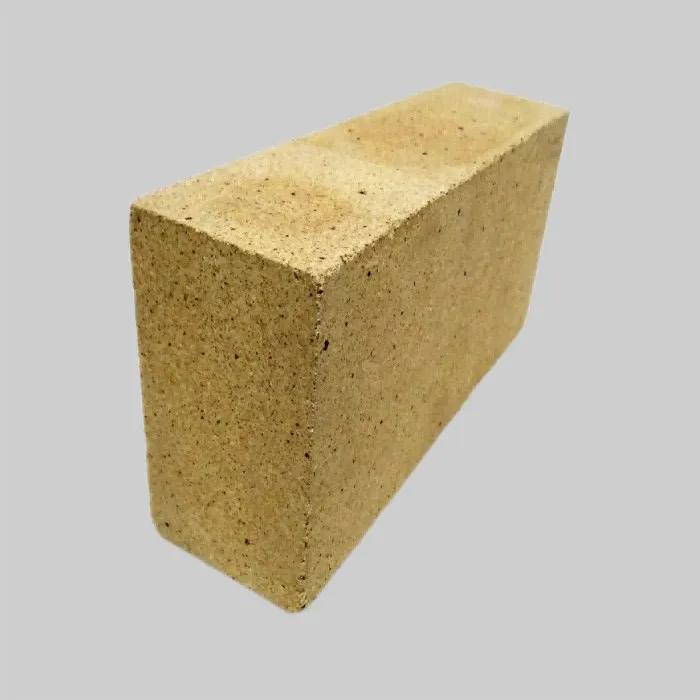
For example, alumina - based castable fire bricks have excellent electrical insulation properties. Alumina has a high resistivity, which means it can effectively resist the flow of electric current. In applications where electrical insulation is critical, such as in electrical furnaces or high - voltage transformers, alumina castable fire bricks are often the material of choice.
Dielectric Constant
Another important electrical property of castable fire bricks is the dielectric constant. The dielectric constant is a measure of the ability of a material to store electrical energy in an electric field. In the context of castable fire bricks, a low dielectric constant is generally desirable.
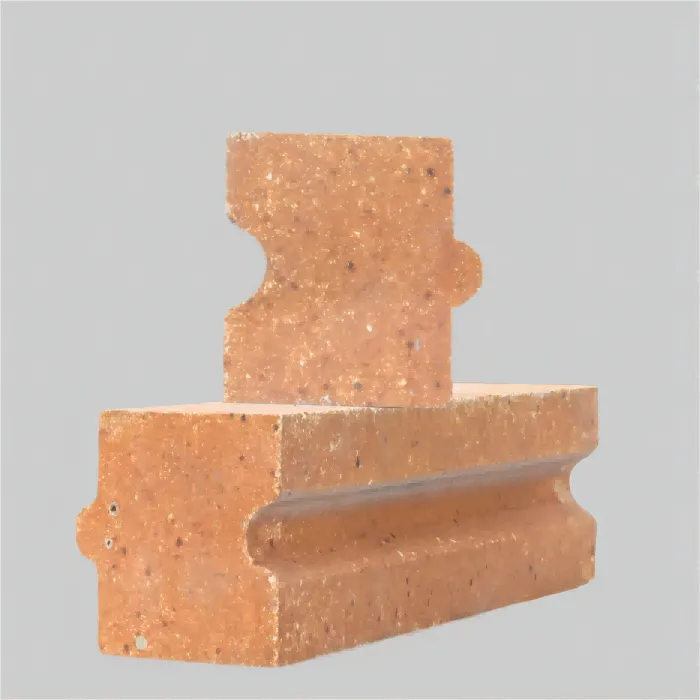
A low dielectric constant indicates that the material will not absorb or store excessive electrical energy when placed in an electric field. This is important in applications where the fire bricks are exposed to alternating electric fields, such as in radio - frequency heating systems. If the dielectric constant is too high, the fire bricks may heat up due to the absorption of electrical energy, which can lead to thermal stress and premature failure of the bricks.
Castable fire bricks with a low dielectric constant are often used in applications where electromagnetic interference needs to be minimized. For instance, in the electronics industry, where sensitive electronic components are manufactured in high - temperature processes, castable fire bricks with low dielectric constants can help reduce the interference between electrical circuits and the surrounding environment.
Electrical Resistivity
Electrical resistivity is closely related to electrical conductivity. It is a measure of how strongly a material opposes the flow of electric current. Castable fire bricks typically have high electrical resistivity values, which makes them good electrical insulators.
The resistivity of castable fire bricks can vary depending on factors such as the chemical composition, porosity, and temperature. For example, as the temperature increases, the resistivity of most castable fire bricks decreases. This is because at higher temperatures, the thermal energy can cause some of the electrons in the material to become more mobile, leading to an increase in electrical conductivity.
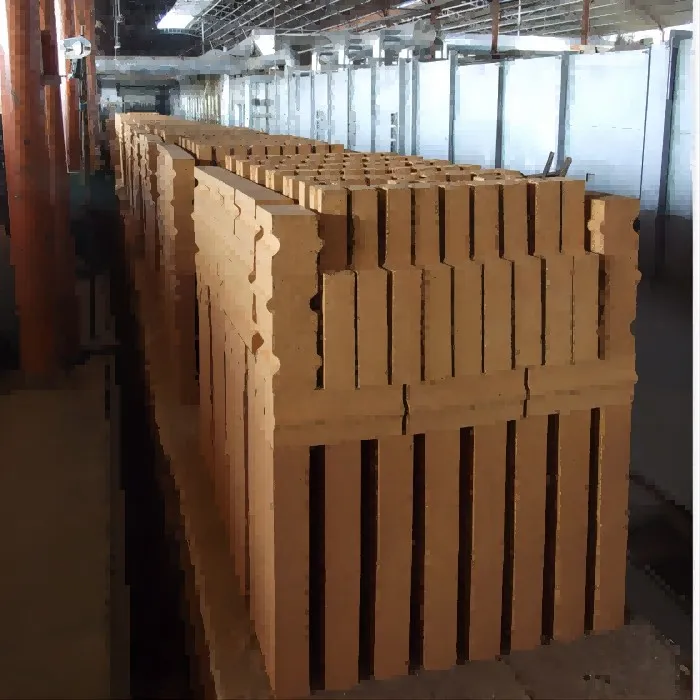
However, even at high temperatures, castable fire bricks still maintain relatively high resistivity compared to other materials. This property allows them to be used in high - temperature electrical applications where insulation is required. For example, in electric arc furnaces, castable fire bricks with high resistivity are used to line the furnace walls to prevent electrical leakage and ensure the efficient operation of the furnace.
Impact of Composition on Electrical Properties
The chemical composition of castable fire bricks has a significant impact on their electrical properties. Different refractory materials have different electrical characteristics, and by adjusting the composition, manufacturers can tailor the electrical properties of the fire bricks to meet specific application requirements.
As mentioned earlier, alumina is a common ingredient in castable fire bricks due to its high resistivity and excellent electrical insulation properties. Silica is another important component. Silica - based castable fire bricks also have good electrical insulation capabilities, but they may have different temperature - dependent electrical properties compared to alumina - based bricks.
Magnesia is often added to castable fire bricks to improve their resistance to basic slag and high - temperature corrosion. Magnesia - containing fire bricks also have relatively high electrical resistivity, making them suitable for applications where both high - temperature resistance and electrical insulation are required.
Applications Based on Electrical Properties
The unique electrical properties of castable fire bricks make them suitable for a wide range of applications. In the power generation industry, castable fire bricks are used in boilers and incinerators to provide electrical insulation and prevent heat loss. In the metallurgical industry, they are used in electric arc furnaces and ladles to ensure the safe and efficient operation of the melting and refining processes.
In the electronics industry, [Ceramic Firebrick]( /fire - brick/alumina - brick/ceramic - firebrick.html) with low dielectric constants are used in high - temperature manufacturing processes to minimize electromagnetic interference. [30mm Fire Bricks]( /fire - brick/alumina - brick/30mm - fire - bricks.html) are often used in small - scale electrical heating applications where precise temperature control and electrical insulation are required.
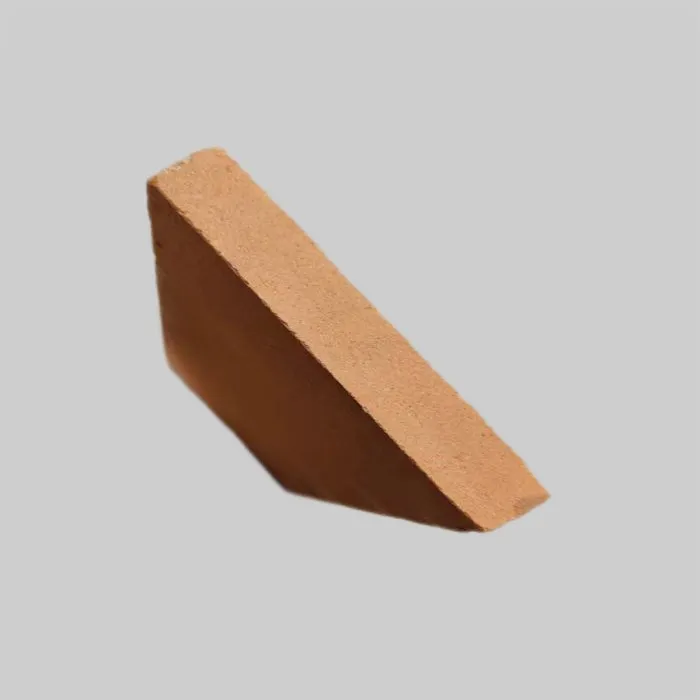
[Refractory Concrete Bricks]( /fire - brick/alumina - brick/refractory - concrete - bricks.html) are also widely used in industrial settings. Their electrical properties, combined with their high mechanical strength and thermal shock resistance, make them suitable for use in a variety of high - temperature electrical applications.
Contact for Procurement
If you are in the market for high - quality castable fire bricks with specific electrical properties, I encourage you to reach out for a procurement discussion. Whether you need bricks for a small - scale laboratory application or a large - scale industrial project, we have the expertise and products to meet your needs. Our team of experts can help you select the right type of castable fire bricks based on your specific requirements and ensure that you get the best value for your investment.
References
- "Handbook of Refractory Materials" - This comprehensive handbook provides detailed information on the properties and applications of various refractory materials, including castable fire bricks.
- "High - Temperature Materials and Technologies" - A valuable resource that covers the latest research and developments in high - temperature materials, including their electrical properties.
- Industry research papers on castable fire bricks, which can be found in academic databases and industry - specific journals. These papers often present in - depth studies on the electrical properties of castable fire bricks and their performance in different applications.