

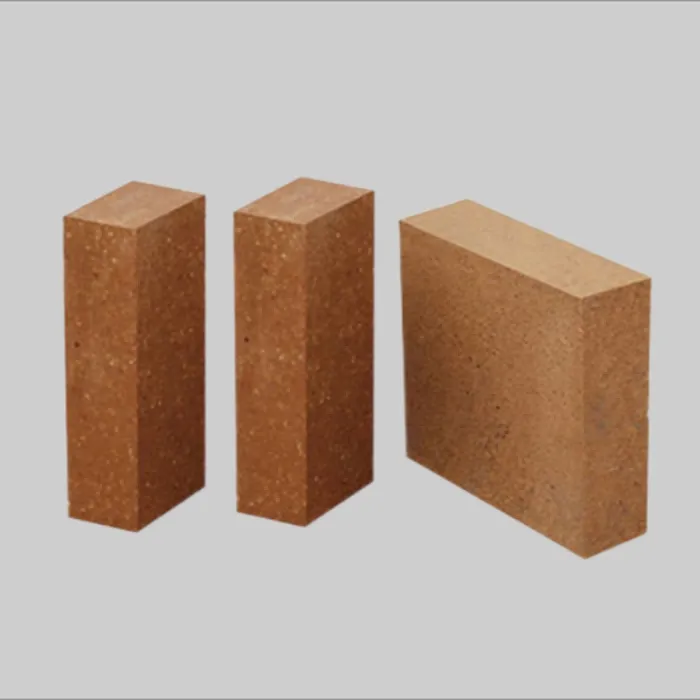
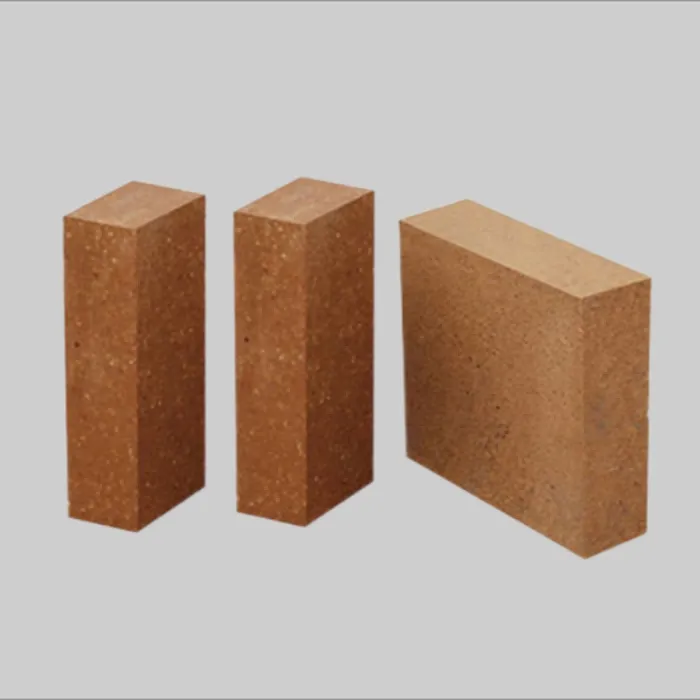
Fused-cast magnesite bricks are a crucial type of refractory material widely used in high-temperature industrial applications. As a magnesite brick supplier, I am delighted to share with you the detailed production process of fused-cast magnesite bricks.
1. Raw Material Selection
The first and most fundamental step in the production of fused-cast magnesite bricks is the selection of high - quality raw materials. Magnesite, which is rich in magnesium oxide (MgO), is the primary raw material. High - purity magnesite with an MgO content of over 95% is typically preferred. This high - purity magnesite ensures the excellent refractory properties of the final product.
The source of magnesite also plays a significant role. We source our magnesite from mines with consistent quality and high purity levels. By carefully choosing the raw material, we can control the chemical composition and physical properties of the fused - cast magnesite bricks from the very beginning.
2. Crushing and Grinding
Once the magnesite raw material is obtained, it needs to be processed into a suitable particle size. The large - sized magnesite ore is first crushed into smaller pieces using crushers. This initial crushing reduces the ore to a manageable size for further processing.
After crushing, the magnesite pieces are then ground into a fine powder. Grinding is a critical process as it determines the surface area and reactivity of the raw material. The finer the powder, the better the sintering and fusion process will be later on. We use advanced grinding equipment to ensure that the magnesite powder has a uniform particle size distribution, which is essential for the quality of the final product.
3. Melting
The ground magnesite powder is then transferred to an electric arc furnace for melting. Electric arc furnaces are commonly used in the production of fused - cast magnesite bricks because they can provide high - temperature and precise temperature control.
In the electric arc furnace, an electric arc is created between electrodes, generating extremely high temperatures (up to 2800°C). The magnesite powder is gradually fed into the furnace, where it melts under the high - temperature environment. During the melting process, impurities in the magnesite are removed as slag, floating on the surface of the molten magnesite. This purification process helps to improve the purity and quality of the final product.
4. Casting
Once the magnesite is completely melted and purified, it is ready for casting. The molten magnesite is poured into pre - designed molds. The molds are made of high - temperature - resistant materials and are carefully designed to have the desired shape and size of the magnesite bricks.
Casting is a delicate process that requires precise control of the pouring speed and temperature. If the pouring speed is too fast, it may cause air bubbles or uneven distribution of the molten material in the mold. If the temperature is not properly controlled, the magnesite may solidify too quickly or too slowly, affecting the quality of the final brick.
5. Annealing
After casting, the newly formed magnesite bricks are subjected to an annealing process. Annealing is a heat - treatment process that helps to relieve internal stresses in the bricks and improve their mechanical properties.
The bricks are placed in an annealing furnace and heated to a specific temperature (usually around 1000 - 1200°C) for a certain period of time. Then, they are slowly cooled down. This slow heating and cooling process allows the crystals in the magnesite bricks to grow and align properly, reducing the risk of cracking and improving the overall strength and durability of the bricks.
6. Quality Inspection
Once the annealing process is completed, the magnesite bricks undergo a series of quality inspections. These inspections include checking the chemical composition, physical properties, and dimensional accuracy of the bricks.
Chemical analysis is performed to ensure that the MgO content and other impurities are within the specified range. Physical property tests, such as compressive strength, thermal conductivity, and refractoriness, are also carried out to verify that the bricks meet the required standards. Dimensional inspection ensures that the bricks have the correct size and shape, which is crucial for their installation and performance in industrial applications.
7. Packaging and Storage
After passing the quality inspection, the magnesite bricks are carefully packaged to prevent damage during transportation and storage. We use high - quality packaging materials, such as wooden crates or plastic wraps, to protect the bricks.
Proper storage is also essential to maintain the quality of the bricks. The bricks should be stored in a dry and ventilated place, away from moisture and extreme temperatures. This helps to prevent any deterioration of the bricks before they are delivered to the customers.
Fused - cast magnesite bricks produced through this rigorous process offer excellent refractory properties, such as high melting point, good thermal shock resistance, and strong corrosion resistance. They are widely used in various high - temperature industries, including steelmaking, non - ferrous metal smelting, and cement production.
If you are interested in our Mgo Brick, Magnesia Brick, or Magnesite Refractory Bricks, please feel free to contact us for procurement and negotiation. We are committed to providing you with high - quality products and excellent service.
References
- "Refractory Materials Handbook"
- Journals on refractory materials research and development.