

Rebonded magnesite bricks are essential refractory materials widely used in various high - temperature industrial applications. As a magnesite brick supplier, I am well - versed in the production process of these bricks, which involves several intricate steps to ensure high - quality and reliable products.
Raw Material Selection
The first and most crucial step in the production of rebonded magnesite bricks is the selection of raw materials. High - purity magnesite ore is the primary raw material. Magnesite (MgCO₃) is mined from natural deposits. The quality of the magnesite ore directly affects the properties of the final product. We look for ores with a high magnesium oxide (MgO) content, typically above 90%. Impurities such as silica (SiO₂), iron oxide (Fe₂O₃), and calcium oxide (CaO) need to be minimized because they can have a negative impact on the refractoriness and chemical stability of the bricks.
For example, silica can react with magnesium oxide at high temperatures to form low - melting - point compounds, reducing the brick's ability to withstand high heat. Therefore, strict quality control measures are in place during the ore selection process. Samples of the ore are analyzed in the laboratory to determine their chemical composition and physical properties before being approved for use in production.
Calcination
Once the suitable magnesite ore is selected, it undergoes a calcination process. Calcination is carried out in a kiln at high temperatures, usually between 1600 - 1800°C. During this process, the magnesite decomposes according to the following chemical reaction:
MgCO₃ → MgO+CO₂↑
The calcination process not only converts magnesium carbonate to magnesium oxide but also helps to remove volatile impurities and improve the crystal structure of the magnesia. The resulting product is called dead - burned magnesia, which has high density, low porosity, and excellent refractoriness.
The calcination conditions, such as temperature, heating rate, and residence time in the kiln, are carefully controlled to ensure the desired properties of the dead - burned magnesia. For instance, a slow heating rate can promote better crystal growth and reduce the internal stress of the magnesia particles.
Crushing and Grinding
After calcination, the dead - burned magnesia is crushed and ground into fine powder. Crushing is typically done in jaw crushers or cone crushers to reduce the large lumps of magnesia into smaller particles. Then, the smaller particles are further ground in ball mills or vertical mills to achieve the required particle size distribution.
The particle size of the magnesia powder is a critical factor in determining the properties of the final rebonded magnesite bricks. A proper particle size distribution can improve the packing density of the raw materials during the forming process, which in turn enhances the density and strength of the bricks. Generally, a combination of coarse, medium, and fine particles is used to optimize the packing.
Mixing
Once the magnesia powder is obtained, it is mixed with a binder. The binder is used to hold the magnesia particles together during the forming process and to provide initial strength to the green bricks. Common binders used in the production of rebonded magnesite bricks include sulfite liquor, pitch, and phenolic resin.
The mixing process is carried out in a mixer, where the magnesia powder and the binder are thoroughly blended. The amount of binder added is carefully controlled according to the type of binder and the requirements of the final product. Over - addition of the binder can lead to excessive shrinkage during firing, while under - addition may result in poor green strength and difficulty in forming the bricks.
Forming
After mixing, the prepared mixture is formed into brick shapes. There are several forming methods available, including pressing and isostatic pressing.
In the pressing method, the mixture is placed in a mold and pressed under high pressure using a hydraulic press. The pressure applied during pressing can range from 100 - 300 MPa, depending on the size and shape of the bricks. This method is suitable for mass - producing bricks with regular shapes.
Isostatic pressing, on the other hand, applies pressure uniformly from all directions. The mixture is placed in a flexible mold, which is then submerged in a pressure chamber filled with a fluid. High pressure is applied to the fluid, which in turn presses the mixture in the mold. Isostatic pressing can produce bricks with more uniform density and better mechanical properties, especially for large - sized or complex - shaped bricks.
Drying
After forming, the green bricks need to be dried to remove the moisture from the binder and the mixture. Drying is usually carried out in a drying chamber at a relatively low temperature, typically between 100 - 200°C. The drying process should be slow and controlled to prevent cracking of the bricks due to rapid moisture evaporation.
The drying time depends on the size and thickness of the bricks, as well as the type of binder used. For example, bricks with a higher binder content may require a longer drying time. Proper drying is essential to ensure the stability of the bricks during the subsequent firing process.
Firing
The final step in the production of rebonded magnesite bricks is firing. The dried green bricks are placed in a kiln and fired at high temperatures, usually between 1500 - 1700°C. During firing, the binder is burned off, and the magnesia particles sinter together, forming a dense and strong structure.
The firing process is a critical stage that determines the final properties of the bricks. The firing temperature, heating rate, and holding time are carefully controlled. A slow heating rate during the initial stage of firing can prevent thermal shock and cracking of the bricks. The holding time at the maximum firing temperature allows for complete sintering of the magnesia particles, which improves the density, strength, and refractoriness of the bricks.
Quality Control
Throughout the entire production process, strict quality control measures are implemented. Samples of the raw materials, intermediate products, and final bricks are regularly taken for testing. The tests include chemical analysis, physical property testing (such as bulk density, porosity, and compressive strength), and thermal property testing (such as refractoriness and thermal expansion).
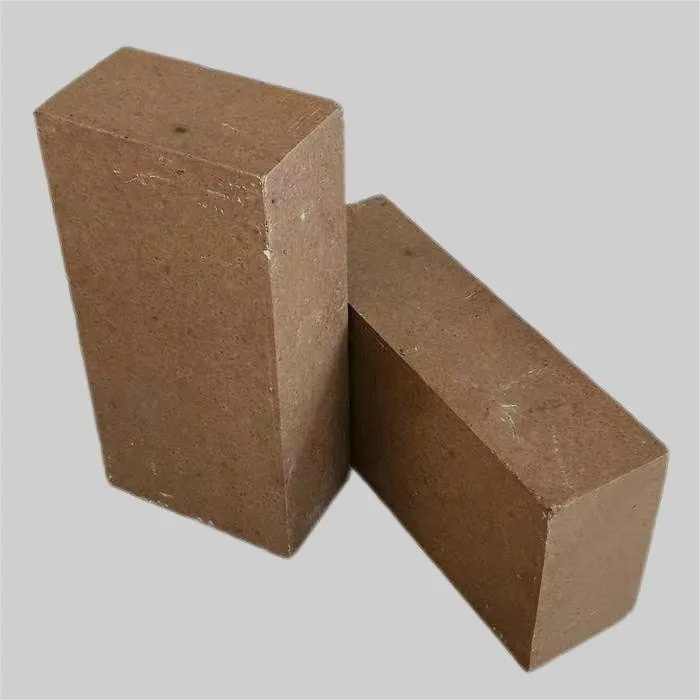
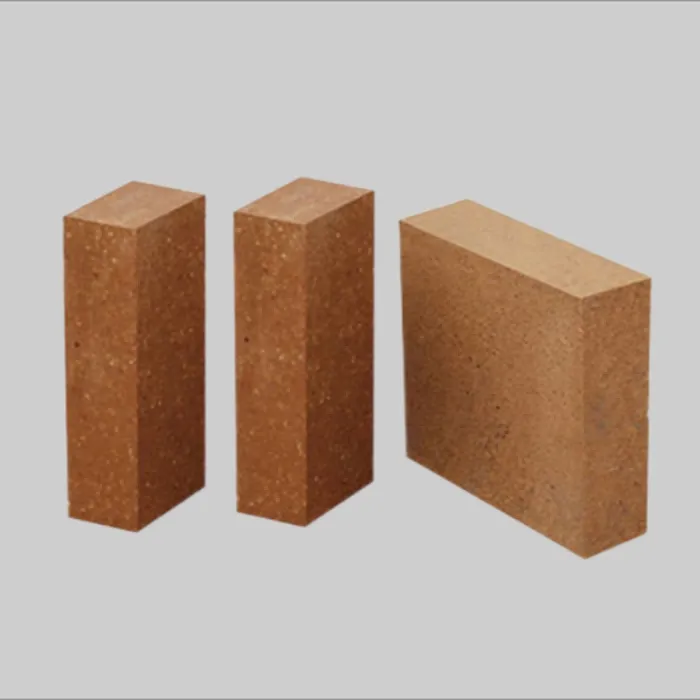
Only the bricks that meet the specified quality standards are approved for shipment. This ensures that our customers receive high - quality rebonded magnesite bricks that can perform well in their high - temperature applications.
Applications and Advantages
Rebonded magnesite bricks have a wide range of applications in industries such as steelmaking, non - ferrous metal smelting, cement production, and glass manufacturing. In the steelmaking industry, for example, these bricks are used in the lining of converters, electric arc furnaces, and ladles due to their excellent resistance to basic slag and high - temperature corrosion.
The advantages of rebonded magnesite bricks include high refractoriness, good thermal shock resistance, and excellent chemical stability in basic environments. These properties make them a reliable choice for high - temperature industrial processes.
If you are interested in Magnesia Brick, Mgo Brick, or Magnesite Refractory Bricks, and are looking for a reliable magnesite brick supplier, please feel free to contact us for more information and to discuss your specific requirements. We are committed to providing high - quality products and excellent service to meet your needs.
References
- "Refractories Handbook" by Philip J. F. Harris
- "High - Temperature Materials and Technology" by Robert A. Rapp