

Hey there! I'm a supplier of fire bricks, and today I wanna chat about the size of common fire bricks. Fire bricks are super important in a bunch of industries, like metallurgy, glass - making, and ceramics. Their size matters a whole lot because it affects how well they can be installed and how effectively they work in different applications.
Let's start with the standard sizes. In the market, there are some pretty well - known and commonly used sizes. One of the most typical ones is the 9 - inch by 4.5 - inch by 2.5 - inch fire brick. This size is like the workhorse of the fire brick world. It's been around for ages and is used in a wide range of furnaces, kilns, and fireplaces. The reason it's so popular is that it's easy to handle during installation. You can stack these bricks up without too much hassle, and they fit nicely together, creating a stable structure.
Another common size is the 8.5 - inch by 4.25 - inch by 2.25 - inch fire brick. This one is a bit smaller than the previous one, but it also has its own advantages. Sometimes, in smaller furnaces or areas where space is limited, this size is a better fit. It allows for more precise construction, especially when you need to work around curves or odd - shaped areas.
Now, when it comes to special applications, we have different sizes as well. For high - temperature industrial furnaces, larger fire bricks might be used. For example, some furnaces use fire bricks that are 12 inches long or even longer. These larger bricks can cover more area in one go, which means fewer joints. Fewer joints are great because joints can be weak points where heat can escape. So, using larger bricks can improve the overall insulation of the furnace.
On the other hand, in some delicate applications like small - scale laboratory furnaces, we might use much smaller fire bricks. These could be around 3 inches by 1.5 inches by 1 inch. They're easy to work with when you're building a small, precise structure.
Let's talk about the different types of fire bricks and how their size might vary.
Corundum Mullite Brick
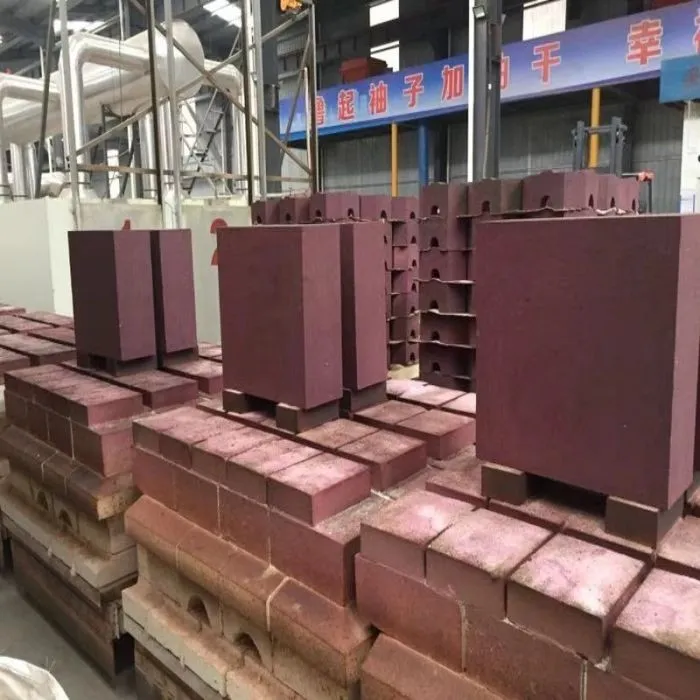
Corundum Mullite Brick is a high - performance fire brick. It's known for its excellent thermal shock resistance and high - temperature strength. In terms of size, it can come in the standard sizes we mentioned earlier, but it also has some special sizes designed for specific industrial needs. For example, in some large - scale steel - making furnaces, Corundum Mullite Bricks might be made in larger sizes to handle the extreme heat and stress.
Corundum Brick
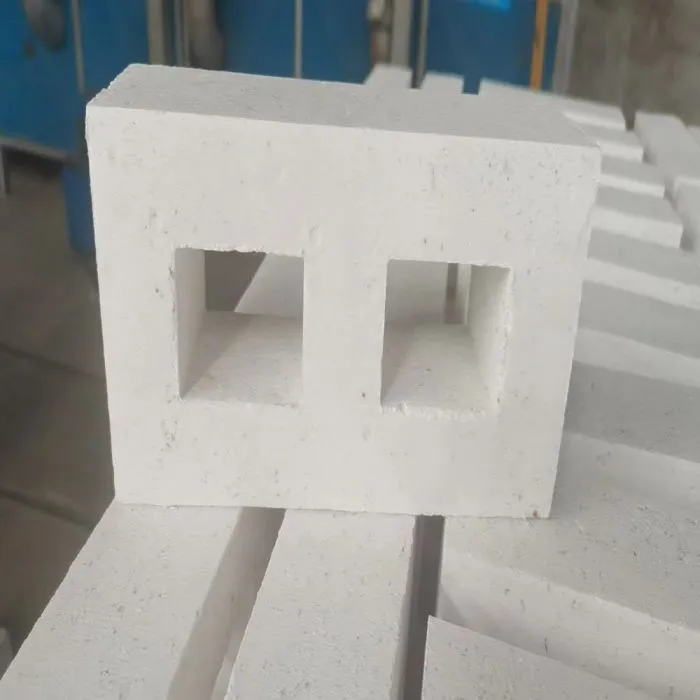
Corundum Brick is another great option. It has high purity and good abrasion resistance. The size of Corundum Bricks can vary depending on the application. In glass - melting furnaces, they might be made in sizes that fit the specific design of the furnace. Sometimes, they are cut into custom sizes to ensure a perfect fit around the burners and other critical parts of the furnace.
Alumina Chrome Brick
Alumina Chrome Brick is often used in areas where there's a need for corrosion resistance. These bricks can be found in various sizes. In chemical plants where corrosive materials are present, the size of Alumina Chrome Bricks is chosen based on the layout of the equipment. Smaller sizes might be used for lining pipes or small reactors, while larger sizes can be used for the walls of big chemical furnaces.
The size of fire bricks also depends on the manufacturing process. Different manufacturers might have their own standard sizes based on their production capabilities. Some factories are better at producing larger bricks, while others are more specialized in making smaller, more precise ones.
When you're choosing the size of fire bricks for your project, you need to consider a few things. First, think about the size of the area you're going to line. If it's a large furnace, you might want to use larger bricks to save on installation time and reduce the number of joints. Second, consider the temperature and stress conditions. High - temperature areas might require larger, more durable bricks. Third, think about the shape of the area. If there are curves or irregular shapes, smaller bricks might be easier to work with.
As a fire brick supplier, I know how important it is to get the right size for your project. That's why we offer a wide range of sizes and types of fire bricks. Whether you need the standard 9 - inch by 4.5 - inch by 2.5 - inch bricks or custom - sized ones for a special application, we've got you covered.
If you're in the market for fire bricks, don't hesitate to reach out. We can help you choose the right size and type of fire brick for your specific needs. Whether it's for a small home fireplace or a large industrial furnace, we have the expertise to assist you. Just let us know about your project, and we'll work with you to find the best solution.
References
- Fire Brick Handbook: This handbook provides detailed information about the properties and sizes of different fire bricks.
- Industrial Furnace Design Manual: It offers insights into how fire brick size affects the performance of industrial furnaces.
- Journal of Fire - Resistant Materials: Contains research on the relationship between fire brick size and its thermal and mechanical properties.