

As a refractory cement supplier with years of experience in the industry, I often receive inquiries about the suitability of refractory cement for various applications. One of the most common questions I get is whether refractory cement can be used for a steel - making furnace. In this blog, I will delve into this topic and provide you with a comprehensive answer.
Understanding Steel - Making Furnaces
Steel - making furnaces are extremely harsh environments. They operate at incredibly high temperatures, often exceeding 1500°C (2732°F). These furnaces are also subject to mechanical stress, chemical corrosion from slag and molten metal, and thermal shock due to rapid heating and cooling cycles. Any material used in a steel - making furnace must be able to withstand these extreme conditions over an extended period.
What is Refractory Cement?
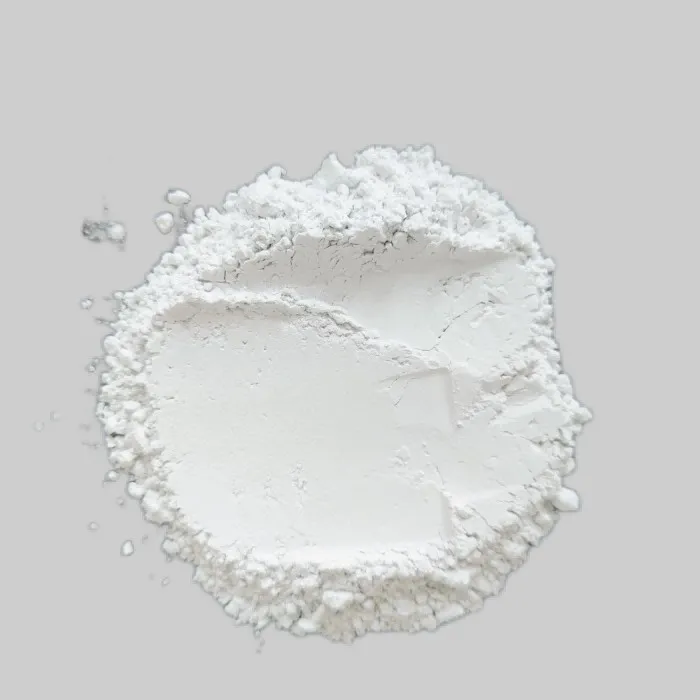
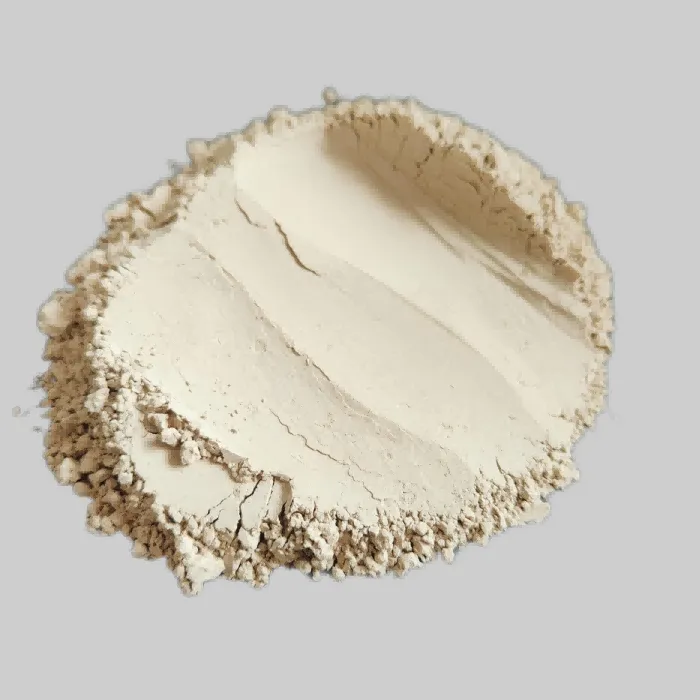
Refractory cement is a specialized type of cement designed to withstand high temperatures. It is made from a combination of refractory aggregate, a binder, and sometimes additives. The refractory aggregate can be materials like alumina, silica, or magnesia, which have high melting points and good heat - resistant properties. The binder holds the aggregate together, and additives can enhance specific properties such as strength or resistance to chemical attack.
There are different types of refractory cement available in the market, each with its own set of properties and applications. For example, High Alumina Refractory Cement contains a high percentage of alumina, which gives it excellent heat resistance and strength at high temperatures. High Strength Refractory Cement is formulated to have superior mechanical strength, making it suitable for applications where the material will be subjected to heavy loads. 3000f Refractory Cement is designed to withstand temperatures up to 3000°F (1649°C), which is well within the temperature range of some steel - making processes.
Can Refractory Cement be Used for a Steel - Making Furnace?
The short answer is yes, but with some important considerations.
Advantages of Using Refractory Cement in Steel - Making Furnaces
- Heat Resistance: Refractory cement can withstand the high temperatures present in steel - making furnaces. As mentioned earlier, some types of refractory cement can handle temperatures up to 3000°F or even higher. This allows it to line the interior of the furnace and protect the outer structure from the intense heat.
- Chemical Resistance: Many refractory cements have good resistance to chemical attack from slag and molten metal. This is crucial in a steel - making environment, where the presence of corrosive substances can quickly degrade ordinary materials.
- Ease of Installation: Refractory cement can be applied in various ways, such as casting, gunning, or ramming. This makes it relatively easy to install in different parts of the furnace, including complex shapes and areas with limited access.
Limitations and Challenges
- Thermal Shock Resistance: Steel - making furnaces often experience rapid heating and cooling cycles, which can cause thermal shock. While some refractory cements have good thermal shock resistance, others may crack or spall under these conditions. It is essential to choose a refractory cement with appropriate thermal shock properties for the specific furnace operation.
- Mechanical Strength: In some cases, the mechanical strength of refractory cement may not be sufficient to withstand the physical stresses in a steel - making furnace. For example, in areas where there is a lot of agitation or movement of molten metal, a stronger refractory material may be required.
- Long - Term Durability: The long - term durability of refractory cement in a steel - making furnace depends on many factors, such as the quality of the cement, the installation method, and the operating conditions. Over time, the cement may wear out or be damaged, requiring regular maintenance and replacement.
Selecting the Right Refractory Cement for a Steel - Making Furnace
When choosing a refractory cement for a steel - making furnace, several factors need to be considered:
- Temperature Requirements: Determine the maximum temperature that the furnace will reach and select a refractory cement with a suitable temperature rating. For example, if the furnace operates at temperatures above 2500°F, a high - temperature refractory cement like 3000f Refractory Cement would be a better choice.
- Chemical Environment: Analyze the chemical composition of the slag and molten metal in the furnace. Choose a refractory cement that is resistant to the specific chemicals present. High alumina refractory cement, for instance, is often a good choice for applications where there is a high concentration of acidic slag.
- Thermal Shock and Mechanical Stress: Consider the thermal cycling and mechanical stresses that the furnace will experience. Select a refractory cement with good thermal shock resistance and sufficient mechanical strength to withstand these conditions.
Installation and Maintenance
Proper installation and maintenance are crucial for the successful use of refractory cement in a steel - making furnace.
- Installation: Follow the manufacturer's instructions carefully during installation. Ensure that the surface to which the refractory cement is applied is clean, dry, and free of any contaminants. Use the appropriate application method and allow sufficient time for the cement to cure.
- Maintenance: Regularly inspect the refractory lining for signs of damage, such as cracks, spalling, or erosion. Repair or replace any damaged areas promptly to prevent further deterioration.
Conclusion
In conclusion, refractory cement can be used for a steel - making furnace, but it is essential to choose the right type of cement and ensure proper installation and maintenance. As a refractory cement supplier, I have the expertise and products to help you meet the specific requirements of your steel - making furnace. If you are considering using refractory cement in your steel - making operation, I encourage you to contact me for more information and to discuss your specific needs. We can work together to select the most suitable refractory cement and ensure its successful implementation in your furnace.
References
- "Refractories Handbook" by the American Ceramic Society
- "High - Temperature Materials and Technologies" by various authors