

High temperature bricks are essential in various industries where materials need to withstand extreme heat. As a high temp bricks supplier, I have extensive knowledge about the materials used in their production. This blog will explore the different substances that go into making these specialized bricks, their properties, and their applications.
Fire Clay
Fire clay is one of the most common materials for high temperature bricks. It is a type of clay that can withstand high temperatures without melting or deforming. Fire clay is rich in alumina and silica, which are the key components that give it its heat - resistant properties.
The alumina in fire clay provides high refractoriness, meaning it can maintain its shape and strength at elevated temperatures. Silica, on the other hand, helps to form a glassy phase during firing, which further enhances the brick's durability and resistance to thermal shock.
Fire Clay Block is a product made from fire clay. These blocks are widely used in furnaces, kilns, and fireplaces. They are known for their excellent insulation properties, which help to reduce heat loss and increase energy efficiency.
Alumina
Alumina, also known as aluminum oxide (Al₂O₃), is another crucial material in high temperature brick production. High - alumina bricks contain a high percentage of alumina, typically ranging from 40% to 99%. The higher the alumina content, the greater the refractoriness and thermal stability of the brick.
Alumina bricks are highly resistant to chemical attack, making them suitable for use in environments where they may come into contact with corrosive substances. They are commonly used in the steel, cement, and glass industries, where they are exposed to high temperatures and aggressive chemicals.
The manufacturing process of alumina bricks involves mixing high - purity alumina powder with a suitable binder, forming the mixture into bricks, and then firing them at extremely high temperatures. This results in a dense, hard brick with excellent mechanical properties.
Magnesia
Magnesia, or magnesium oxide (MgO), is a material with outstanding heat - resistant properties. Magnesia bricks are known for their high melting point (around 2800°C) and excellent resistance to basic slags.
In the production of magnesia bricks, magnesite ore is first calcined to produce dead - burned magnesia. This is then crushed, mixed with a binder, and formed into bricks. The bricks are fired at high temperatures to develop their final properties.
Magnesia bricks are widely used in the steel industry, particularly in the lining of basic oxygen furnaces and electric arc furnaces. They are also used in the non - ferrous metal industry and in some high - temperature chemical processes.
Chromite
Chromite is an ore that contains chromium oxide (Cr₂O₃). Chromium - containing high temperature bricks are valued for their high thermal shock resistance and resistance to certain types of corrosive slags.
Chromite bricks are often used in combination with other refractory materials, such as magnesia, to create composite bricks with enhanced properties. These composite bricks are used in applications where they need to withstand both high temperatures and chemical attack, such as in the cement and glass industries.
The use of chromite in high temperature bricks requires careful handling due to the potential environmental and health risks associated with chromium. However, when properly managed, chromite - based bricks offer unique advantages in specific industrial applications.
Waste Clay Brick
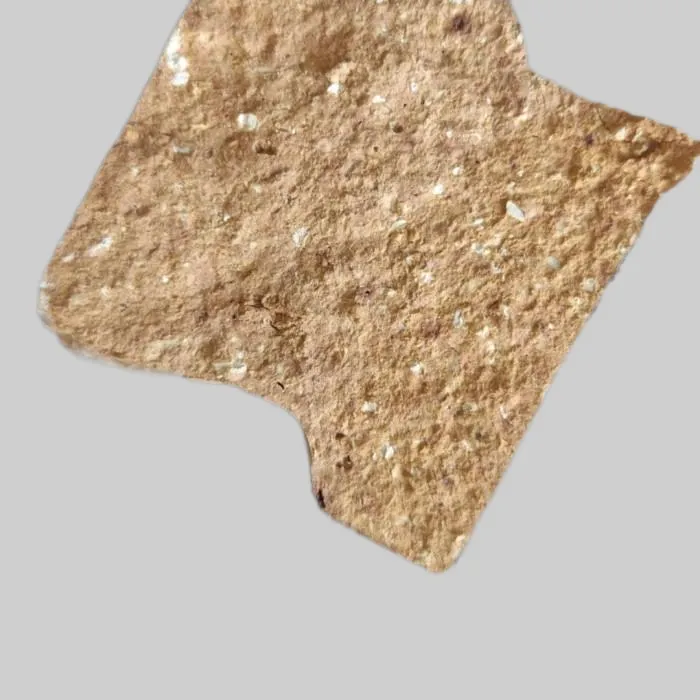
Recycled materials are also being increasingly used in the production of high temperature bricks. Waste Clay Brick can be crushed and reused as a raw material. This not only helps to reduce waste but also lowers the cost of production.
The properties of bricks made from waste clay brick depend on the quality and composition of the original bricks. However, with proper processing and blending, these recycled bricks can still provide satisfactory performance in low - to medium - temperature applications.
Hard Fire Brick
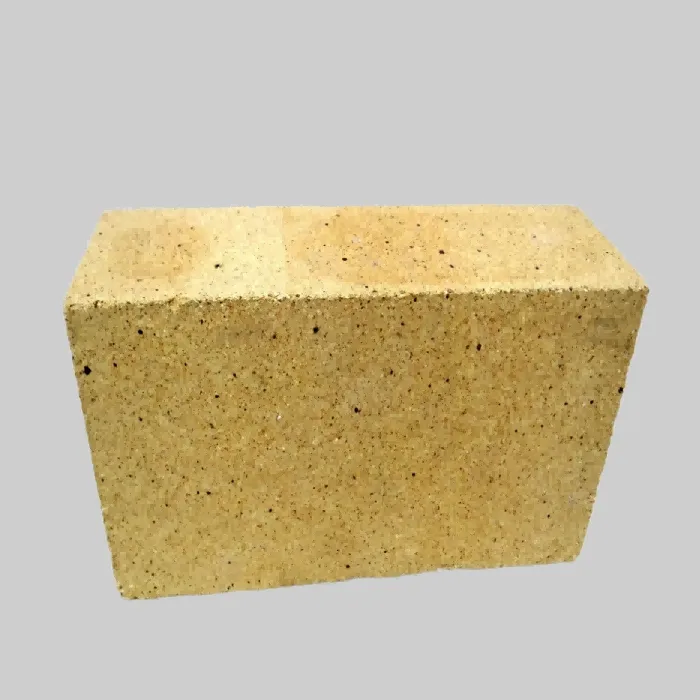
Hard Fire Brick is a type of high temperature brick that is known for its high density and strength. These bricks are typically made from a combination of high - quality fire clay and other refractory materials.
Hard fire bricks are used in applications where they need to withstand heavy loads and mechanical wear in addition to high temperatures. They are commonly used in the construction of industrial furnaces, incinerators, and other high - temperature equipment.
Applications of High Temperature Bricks
The choice of material for high temperature bricks depends on the specific application. For example, in a steel - making furnace, magnesia - based bricks are often used due to their resistance to basic slags and high temperatures. In a glass - melting furnace, alumina and chromite - containing bricks may be preferred because of their resistance to chemical attack and thermal shock.
In the food processing industry, fire clay bricks are commonly used in ovens and kilns because they are non - toxic and can provide good insulation. In the power generation industry, high temperature bricks are used in boilers and incinerators to line the combustion chambers and protect the surrounding structures.
Conclusion
As a high temp bricks supplier, I understand the importance of using the right materials to meet the diverse needs of different industries. Whether it's fire clay, alumina, magnesia, chromite, or recycled materials, each has its own unique properties and applications.
If you are in need of high temperature bricks for your industrial or commercial project, I invite you to contact me to discuss your specific requirements. We can work together to select the most suitable materials and products for your application, ensuring optimal performance and cost - effectiveness.
References
- "Refractories Handbook" by the American Ceramic Society.
- "High - Temperature Materials and Technologies" edited by various authors.
- Industry - specific research papers on high temperature brick production and applications.