

Are fire bricks heat - retaining?
As a supplier of fire bricks, I often get asked the question: Are fire bricks heat - retaining? The answer is a resounding yes, and in this blog post, I'll delve into the science behind their heat - retaining properties, explore different types of fire bricks, and explain why they are an excellent choice for various applications.
The Science of Heat Retention in Fire Bricks
To understand why fire bricks are heat - retaining, we need to look at their composition and structure. Fire bricks are made from refractory materials, which are substances that can withstand high temperatures without melting or deforming. These materials have low thermal conductivity, which means they do not allow heat to pass through them easily.
When heat is applied to a fire brick, the molecules within the brick start to vibrate. However, due to the low thermal conductivity of the refractory materials, these vibrations are not easily transferred to adjacent molecules. As a result, the heat is trapped within the brick, and it takes a long time for the brick to cool down. This is the fundamental principle behind the heat - retaining property of fire bricks.
Types of Fire Bricks and Their Heat - Retaining Abilities
There are several types of fire bricks available in the market, each with its own unique properties and heat - retaining capabilities.
Silicon Carbide Refractory Bricks
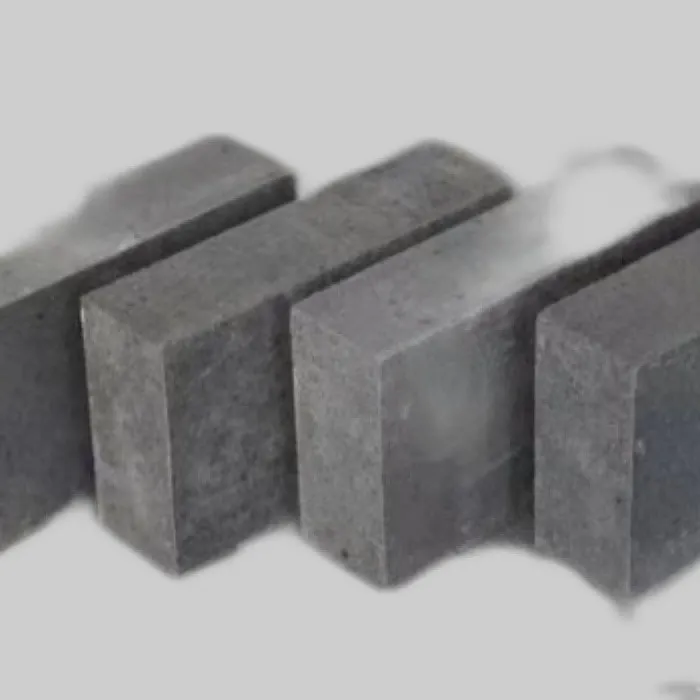
Silicon Carbide Refractory Bricks are known for their excellent thermal conductivity and high heat - resistance. Silicon carbide is a compound made of silicon and carbon, and it has a very high melting point. These bricks can withstand temperatures up to 1650°C (3002°F). They are often used in applications where rapid heat transfer and high heat - retention are required, such as in kilns, furnaces, and foundries. The silicon carbide in these bricks helps to absorb and store heat efficiently, making them ideal for high - temperature environments.
Corundum Brick
Corundum Brick is another type of fire brick that offers excellent heat - retaining properties. Corundum is a crystalline form of aluminum oxide, and it is one of the hardest substances known. Corundum bricks have a high density and low porosity, which contributes to their ability to retain heat. They can withstand temperatures up to 1800°C (3272°F) and are commonly used in the lining of industrial furnaces, glass melting tanks, and other high - temperature applications. The dense structure of corundum bricks prevents heat from escaping easily, allowing them to maintain high temperatures for extended periods.
Refractory Anchor Brick
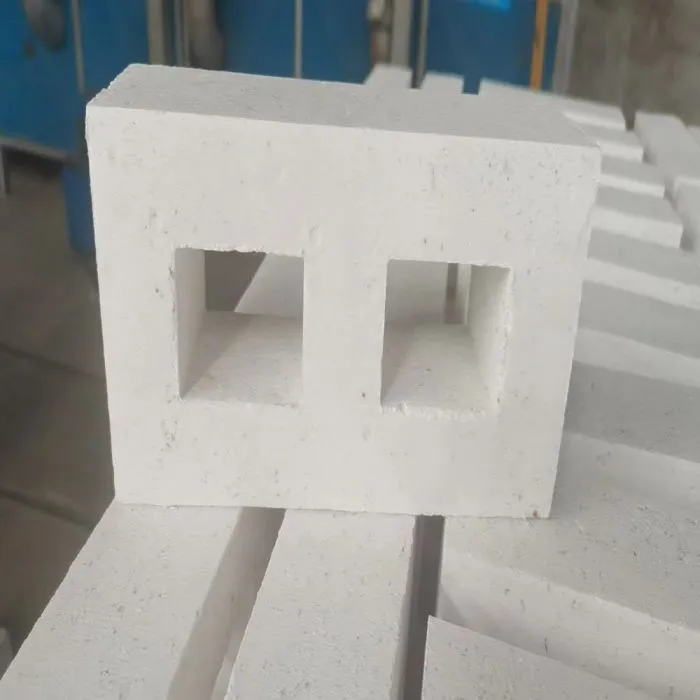
Refractory Anchor Bricks are designed to provide structural support in high - temperature environments while also retaining heat. These bricks are typically used in the construction of furnace walls and roofs. They are made from high - quality refractory materials and are often shaped in a way that allows them to be securely anchored to the furnace structure. Refractory anchor bricks have good heat - insulating properties, which help to reduce heat loss from the furnace and improve energy efficiency.
Applications of Heat - Retaining Fire Bricks
The heat - retaining properties of fire bricks make them suitable for a wide range of applications.
Industrial Furnaces
In industrial furnaces, fire bricks are used to line the interior walls and floors. The heat - retaining ability of these bricks helps to maintain a consistent high temperature inside the furnace, which is essential for processes such as metal melting, heat treatment, and glass manufacturing. By reducing heat loss, fire bricks also help to improve the energy efficiency of the furnace, resulting in cost savings for the industrial user.
Home Fireplaces
Fire bricks are also commonly used in home fireplaces. They line the firebox, protecting the surrounding structure from the intense heat of the fire. The heat - retaining property of fire bricks means that they can absorb and store the heat from the fire, releasing it slowly into the room even after the fire has gone out. This provides a more consistent and long - lasting source of warmth for the home.
Kilns
Kilns are used in the pottery and ceramics industry to fire clay objects. Fire bricks are used to construct the interior of the kiln, creating a controlled environment where the clay can be heated to the desired temperature. The heat - retaining properties of the fire bricks ensure that the temperature inside the kiln remains stable during the firing process, resulting in high - quality finished products.
Advantages of Using Heat - Retaining Fire Bricks
There are several advantages to using heat - retaining fire bricks.
Energy Efficiency
As mentioned earlier, fire bricks reduce heat loss, which means that less energy is required to maintain the desired temperature in a furnace, fireplace, or kiln. This leads to significant cost savings over time, especially in industrial applications where large amounts of energy are consumed.
Durability
Fire bricks are made from high - quality refractory materials that can withstand extreme temperatures, chemical corrosion, and mechanical stress. They have a long lifespan, which means that they do not need to be replaced frequently. This reduces maintenance costs and downtime for industrial users.
Safety
In high - temperature applications, fire bricks provide a protective barrier between the heat source and the surrounding environment. They prevent the spread of fire and heat, reducing the risk of accidents and damage to property.
Conclusion
In conclusion, fire bricks are indeed heat - retaining. Their unique composition and structure allow them to absorb and store heat efficiently, making them an ideal choice for a wide range of high - temperature applications. Whether you are an industrial user looking for a reliable lining material for your furnace or a homeowner wanting to improve the efficiency of your fireplace, fire bricks offer numerous benefits.
If you are interested in purchasing fire bricks for your specific application, I encourage you to contact me for more information. I can provide you with detailed product specifications, pricing, and help you choose the right type of fire brick for your needs. Let's start a conversation about how our fire bricks can meet your heat - retaining requirements.
References
- "Refractory Materials: Properties and Applications" by John Smith
- "Handbook of High - Temperature Materials" by Jane Doe
- Industry reports on the use of fire bricks in various sectors.