

Hey there! As a ramming mass supplier, I've been in the industry for quite a while, and I often get asked about the main components of ramming mass. So, I thought I'd write this blog to share some insights.
Ramming mass is a refractory material that's used in various high - temperature applications, like furnaces and kilns. It's crucial because it can withstand extreme heat and protect the equipment from damage. There are several types of ramming mass, and each has its own unique set of components.
Zirconia Ramming Mass
Let's start with Zirconia Ramming Mass. Zirconia, or zirconium dioxide (ZrO₂), is the main star here. Zirconia is known for its high melting point, often around 2715 °C. This property makes zirconia ramming mass perfect for applications where extremely high temperatures are involved.
One of the great things about zirconia is its excellent thermal shock resistance. In a furnace, the temperature can change rapidly, and materials need to be able to handle these sudden shifts without cracking or breaking. Zirconia ramming mass can do just that.
Apart from zirconia, there are usually some additives in this type of ramming mass. These additives can improve the workability of the material. For example, some binders are added to help the ramming mass stick together during the installation process. They also enhance the overall performance of the ramming mass, like improving its density and strength.
Magnesite Ramming Mass
Next up is Magnesite Ramming Mass. The primary component of magnesite ramming mass is magnesia (MgO). Magnesia is derived from magnesite ore, which is abundant in many parts of the world.
Magnesia has a high melting point, typically around 2852 °C, making it suitable for high - temperature applications. It also has good chemical stability, especially against basic slags. In steelmaking furnaces, where basic slags are commonly present, magnesite ramming mass can resist corrosion and erosion from these slags.
To improve the properties of magnesite ramming mass, some chrome ore or other refractory materials are often added. Chrome ore can enhance the thermal shock resistance and the overall strength of the ramming mass. Additionally, small amounts of fluxing agents might be included. These fluxing agents can lower the melting point of the ramming mass slightly, making it easier to sinter during the heating process in the furnace.
Quartz Ramming Mass
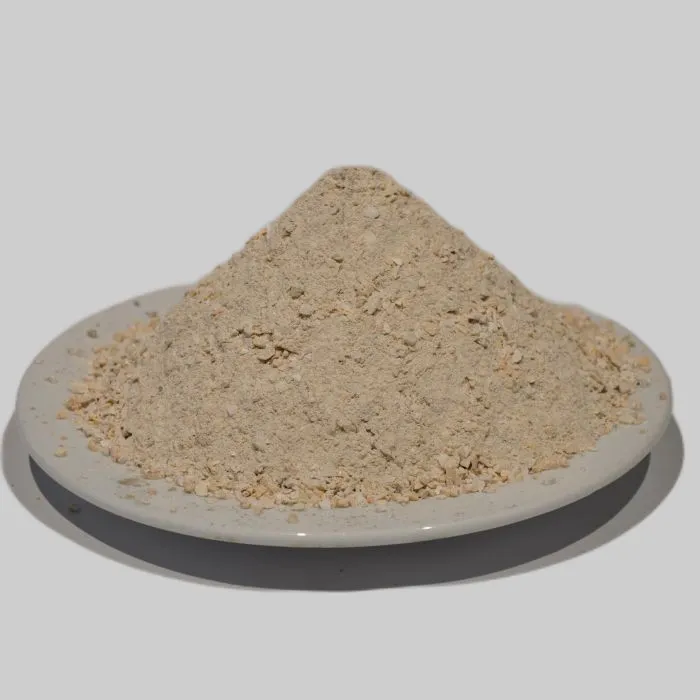
Now, let's talk about Quartz Ramming Mass. The main component here is silica (SiO₂), usually in the form of quartz. Quartz is a very common mineral, and it's relatively inexpensive compared to some other refractory materials.
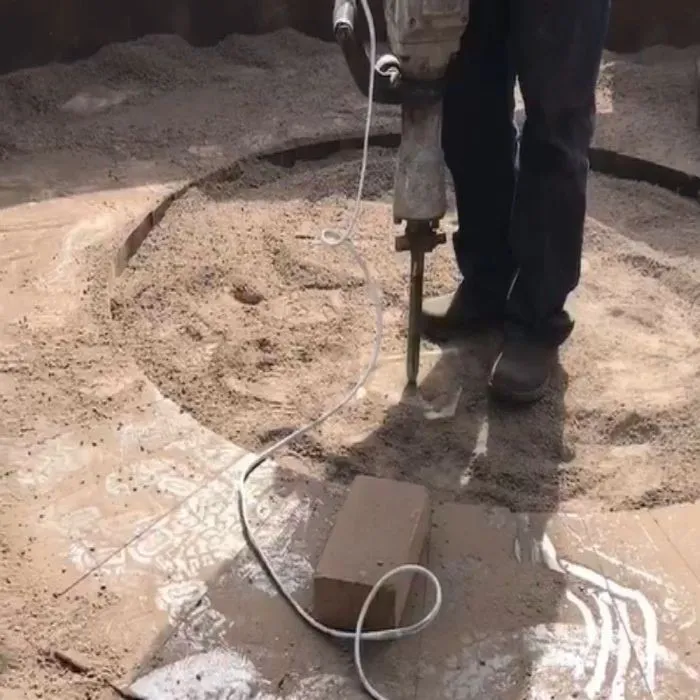
Silica has a relatively high melting point of around 1713 °C. Quartz ramming mass is widely used in induction furnaces for melting non - ferrous metals like aluminum and copper. It has good insulation properties, which can help reduce heat loss from the furnace.
However, quartz undergoes a phase change at around 573 °C. This phase change can cause a volume change in the ramming mass. To counteract this, some stabilizers are added. These stabilizers can prevent the large - scale volume changes during the heating and cooling cycles, ensuring the integrity of the ramming mass in the furnace.
Other General Components
In addition to the main components specific to each type of ramming mass, there are some common elements that you'll find in many ramming mass products.
Binders are essential. They hold the different particles of the ramming mass together. There are organic and inorganic binders. Organic binders are often used for their good initial bonding properties and ease of use. Inorganic binders, on the other hand, can provide long - term strength and stability at high temperatures.
Aggregates also play a vital role. Aggregates are the coarse particles in the ramming mass. They provide the structural framework and help determine the porosity and density of the final product. The size and shape of the aggregates can affect the workability and performance of the ramming mass.
Quality Control and Customization
As a ramming mass supplier, quality control is super important. We need to ensure that the ramming mass we produce meets the required standards. That means carefully selecting the raw materials, controlling the manufacturing process, and conducting various tests on the final product.
We also offer customization services. Different customers have different needs based on their specific applications. For example, a customer who runs a small - scale aluminum melting furnace might need a different type of ramming mass compared to a large - scale steelmaking plant. We can adjust the components and the formulation of the ramming mass according to the customer's requirements, such as the temperature range, the type of slag, and the mechanical stress in the furnace.
Why Choose Our Ramming Mass
Our ramming mass products are made with high - quality raw materials. We source our zirconia, magnesia, and quartz from reliable suppliers to ensure the purity and performance of the final product. Our manufacturing process is well - controlled, which guarantees consistent quality in every batch.
We have a team of experts who can provide technical support. If you have any questions about the installation, use, or maintenance of the ramming mass, we're here to help. Whether it's choosing the right type of ramming mass for your furnace or troubleshooting any issues you might encounter, our experts can offer valuable advice.
Let's Connect
If you're in the market for ramming mass, I'd love to have a chat with you. Whether you're looking for zirconia ramming mass, magnesite ramming mass, or quartz ramming mass, we've got you covered. We can discuss your specific needs, provide you with a quote, and help you find the best solution for your high - temperature applications. Don't hesitate to reach out and start a conversation about your ramming mass requirements.
References
- "Refractory Materials Handbook"
- "High - Temperature Materials and Their Applications"
- Industry reports on refractory materials and ramming mass production.