

Are fire bricks resistant to oxidation? This is a question that often comes up in industrial applications where high - temperature and oxidation - prone environments are common. As a fire brick supplier, I have in - depth knowledge of the characteristics of fire bricks and can provide a detailed answer to this question.
Understanding Oxidation and Its Impact on Materials
Oxidation is a chemical reaction in which a substance reacts with oxygen. In high - temperature environments, oxidation can be accelerated, leading to the degradation of materials. For materials used in industrial furnaces, kilns, and other high - heat applications, oxidation can cause a reduction in strength, corrosion, and ultimately, the failure of the component.
Fire bricks are designed to withstand high temperatures, but their resistance to oxidation is also a crucial factor. The ability of fire bricks to resist oxidation depends on several factors, including their chemical composition, physical structure, and the specific conditions of use.
Chemical Composition and Oxidation Resistance
The chemical composition of fire bricks plays a significant role in their oxidation resistance. Different types of fire bricks are made from various raw materials, each with its own oxidation - resistant properties.
Zirconia Mullite Brick
Zirconia Mullite Bricks are known for their excellent high - temperature performance and oxidation resistance. Zirconia Mullite Brick contains zirconia and mullite, which are both highly stable at high temperatures. Zirconia has a high melting point and good chemical stability, while mullite has excellent thermal shock resistance and mechanical strength. These properties make zirconia mullite bricks resistant to oxidation even in harsh environments.
The zirconia in the bricks forms a protective layer on the surface when exposed to high - temperature oxygen. This layer acts as a barrier, preventing further oxidation of the underlying material. Additionally, the mullite phase provides a stable structure that can withstand the stresses associated with oxidation and thermal cycling.
Silicon Carbide Refractory Bricks
Silicon Carbide Refractory Bricks are another type of fire brick with high oxidation resistance. Silicon carbide (SiC) is a compound with a strong covalent bond, which gives it excellent thermal conductivity and chemical stability.
When silicon carbide refractory bricks are exposed to oxygen at high temperatures, a thin layer of silica (SiO₂) forms on the surface. This silica layer is dense and adherent, providing a protective barrier against further oxidation. The high thermal conductivity of silicon carbide also helps to dissipate heat, reducing the temperature gradient within the brick and minimizing the risk of oxidation - induced cracking.
Magnesia Spinel Bricks
Magnesia Spinel Bricks are made from magnesia (MgO) and spinel (MgAl₂O₄). Magnesia has a high melting point and good resistance to basic slag, while spinel enhances the thermal shock resistance and oxidation resistance of the bricks.
The spinel phase in magnesia spinel bricks helps to improve the oxidation resistance by forming a stable structure that can withstand the attack of oxygen. The magnesia component also provides a basic environment that can react with acidic oxides in the atmosphere, further protecting the brick from oxidation.
Physical Structure and Oxidation Resistance
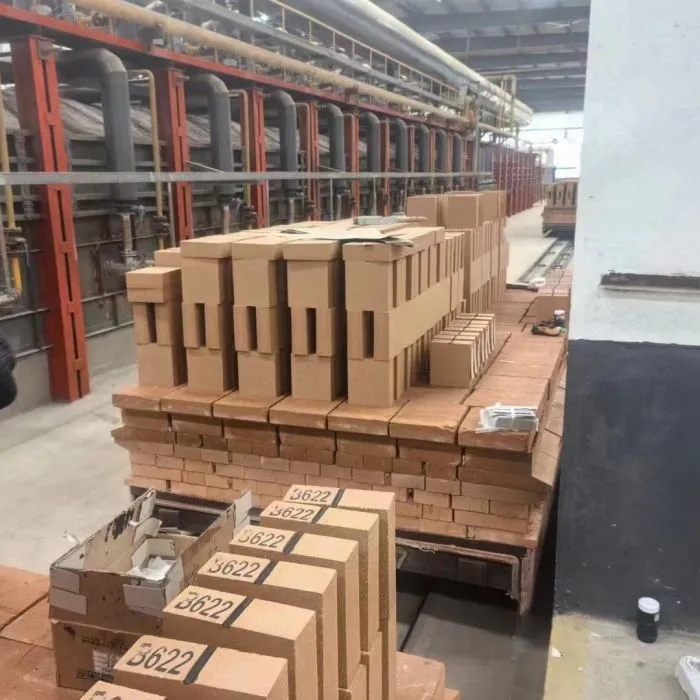
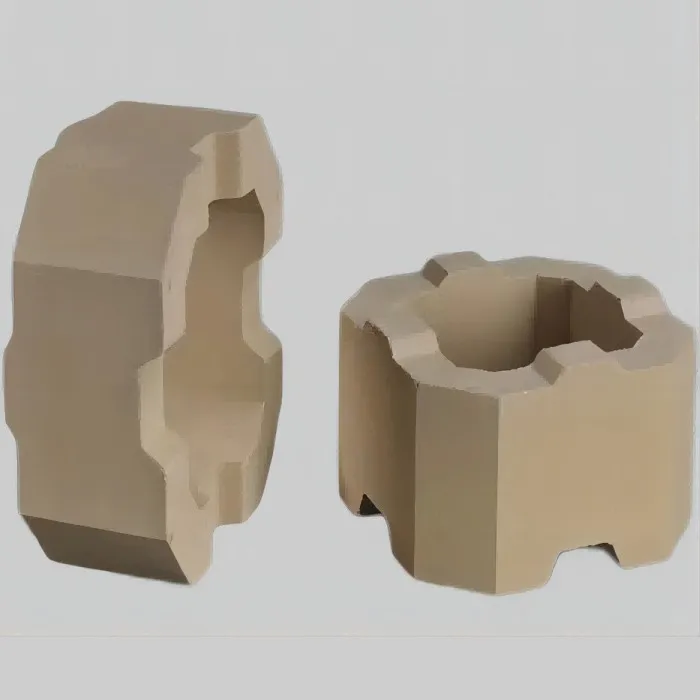
In addition to chemical composition, the physical structure of fire bricks also affects their oxidation resistance. The porosity, density, and grain size of the bricks can all influence how oxygen penetrates the material and reacts with it.
Bricks with low porosity are generally more resistant to oxidation because there are fewer pathways for oxygen to enter the brick. Dense fire bricks have a smaller surface area exposed to oxygen, reducing the rate of oxidation. Additionally, a fine - grained structure can enhance the oxidation resistance by providing a more uniform and stable surface for the formation of protective layers.
Factors Affecting Oxidation Resistance in Real - World Applications
While the chemical composition and physical structure of fire bricks are important for oxidation resistance, the actual performance in real - world applications can be affected by other factors.
Temperature
The temperature at which the fire bricks are used is a critical factor. Higher temperatures generally accelerate the oxidation process. At very high temperatures, the protective layers formed on the surface of the bricks may break down, allowing oxygen to penetrate deeper into the material. Therefore, it is essential to select fire bricks with appropriate temperature ratings for the specific application.
Atmosphere
The composition of the atmosphere in which the fire bricks are used also matters. An oxidizing atmosphere contains a high concentration of oxygen, which can increase the rate of oxidation. In some industrial processes, reducing atmospheres may be present, which can have a different effect on the oxidation behavior of fire bricks. For example, in a reducing atmosphere, some metal oxides in the bricks may be reduced, which can change the properties of the bricks.
Thermal Cycling
Thermal cycling, which involves repeated heating and cooling, can also affect the oxidation resistance of fire bricks. Thermal cycling can cause thermal stresses in the bricks, leading to cracking and spalling. These cracks can provide pathways for oxygen to enter the brick, increasing the risk of oxidation.
Testing and Evaluation of Oxidation Resistance
To ensure the quality and performance of fire bricks, various testing methods are used to evaluate their oxidation resistance. One common method is the isothermal oxidation test, in which the bricks are heated to a specific temperature in an oxidizing atmosphere for a certain period of time. The weight change of the bricks before and after the test is measured to determine the extent of oxidation.
Another method is the cyclic oxidation test, which simulates the thermal cycling conditions in real - world applications. The bricks are subjected to multiple cycles of heating and cooling in an oxidizing atmosphere, and the surface morphology and mechanical properties of the bricks are evaluated after each cycle.
Importance of Oxidation - Resistant Fire Bricks in Industrial Applications
Oxidation - resistant fire bricks are essential in many industrial applications. In the steel industry, for example, fire bricks are used in furnaces to line the walls and roofs. These bricks need to withstand high temperatures and the oxidizing environment created by the combustion of fuels and the presence of oxygen in the air. Oxidation - resistant fire bricks can extend the service life of the furnaces, reduce maintenance costs, and improve the overall efficiency of the steel - making process.
In the glass industry, fire bricks are used in glass melting furnaces. The high - temperature and corrosive environment in these furnaces require bricks with excellent oxidation resistance. Oxidation - resistant fire bricks can prevent the contamination of the glass by the bricks and ensure the quality of the glass products.
Conclusion
In conclusion, fire bricks can be highly resistant to oxidation, depending on their chemical composition, physical structure, and the specific conditions of use. Zirconia Mullite Bricks, Silicon Carbide Refractory Bricks, and Magnesia Spinel Bricks are all examples of fire bricks with good oxidation resistance. However, it is important to consider factors such as temperature, atmosphere, and thermal cycling in real - world applications.
As a fire brick supplier, I can provide high - quality fire bricks that are suitable for various industrial applications. If you are in need of fire bricks with excellent oxidation resistance, please feel free to contact me for more information and to discuss your specific requirements. We can work together to select the most appropriate fire bricks for your project, ensuring optimal performance and long - term reliability.
References
- "High - Temperature Materials and Their Applications" by R. C. Bradt, D. P. H. Hasselman, and F. F. Lange.
- "Refractories Handbook" by P. V. Ramana Rao.
- Journal articles on fire brick research and development in "Journal of the American Ceramic Society" and "International Journal of Refractory Metals & Hard Materials".