

The pressure distribution inside a ladle shroud is a critical aspect that significantly impacts the efficiency and quality of steelmaking processes. As a ladle shroud supplier, we understand the importance of this phenomenon and its implications for our customers. In this blog post, we will delve into the intricacies of pressure distribution within a ladle shroud, exploring its causes, effects, and how our products are designed to optimize this crucial factor.
Understanding the Basics of a Ladle Shroud
Before we dive into the pressure distribution, let's briefly review what a ladle shroud is. A ladle shroud is a refractory tube used in steelmaking to protect the molten steel stream from oxidation and contamination as it flows from the ladle to the tundish. It plays a vital role in maintaining the quality of the steel by preventing the absorption of nitrogen, hydrogen, and oxygen from the atmosphere. Our Ladle Shroud products are crafted with high - quality refractory materials to ensure excellent thermal insulation and chemical resistance.
Factors Affecting Pressure Distribution
1. Flow Rate of Molten Steel
The flow rate of molten steel through the ladle shroud is one of the primary factors influencing pressure distribution. When the flow rate is high, the pressure inside the shroud increases due to the greater momentum of the molten steel. Conversely, a low flow rate results in lower pressure. Our engineering team conducts extensive research to understand how different flow rates interact with the internal structure of the ladle shroud. By optimizing the design of our ladle shrouds, we can ensure a more uniform pressure distribution across a wide range of flow rates.
2. Viscosity of Molten Steel
The viscosity of molten steel also has a significant impact on pressure distribution. Viscosity is affected by factors such as temperature and chemical composition. Higher - viscosity molten steel offers more resistance to flow, leading to an increase in pressure. Our ladle shrouds are designed to accommodate variations in molten steel viscosity. The refractory materials we use have excellent thermal stability, which helps maintain a consistent internal environment and reduces the impact of viscosity changes on pressure distribution.
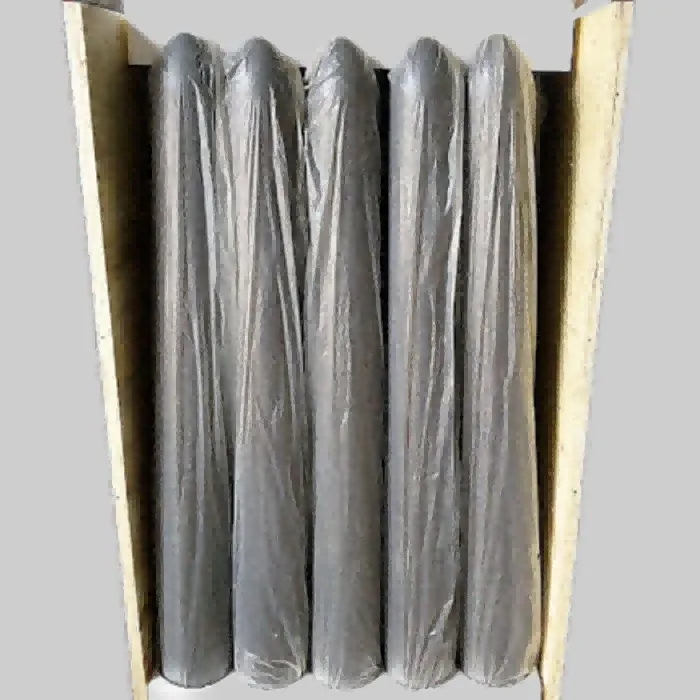
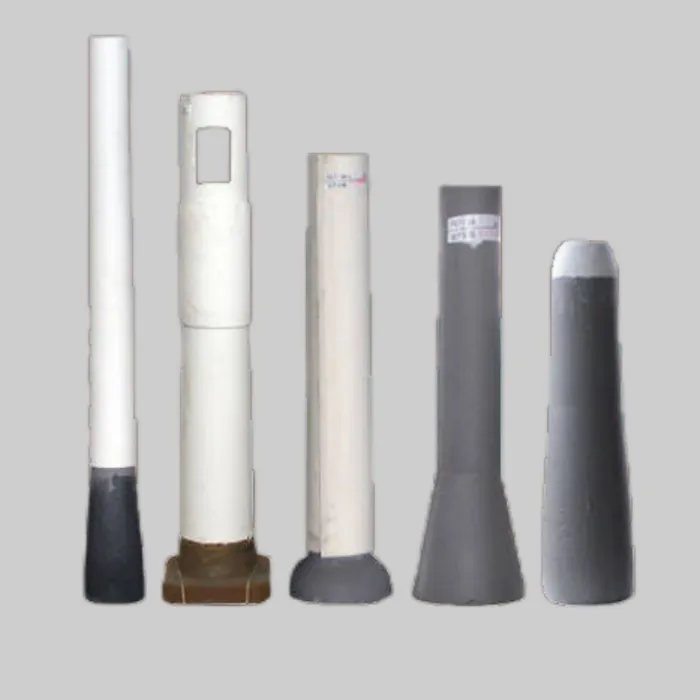
3. Geometry of the Ladle Shroud
The shape and dimensions of the ladle shroud play a crucial role in determining pressure distribution. A well - designed ladle shroud with a smooth internal surface and appropriate diameter and length can promote a more even flow of molten steel, resulting in a more uniform pressure distribution. Our product development process involves advanced computational fluid dynamics (CFD) simulations to optimize the geometry of our ladle shrouds. These simulations allow us to visualize the flow patterns and pressure distribution inside the shroud and make adjustments to the design as needed.
Effects of Uneven Pressure Distribution
1. Erosion of the Refractory Lining
Uneven pressure distribution can lead to localized areas of high pressure, which can cause excessive erosion of the refractory lining of the ladle shroud. This erosion not only shortens the lifespan of the shroud but also increases the risk of molten steel leakage. Our ladle shrouds are made from high - grade refractory materials with excellent erosion resistance. The uniform pressure distribution achieved through our design helps minimize the wear and tear on the refractory lining, extending the service life of our products.
2. Inconsistent Steel Quality
Non - uniform pressure distribution can disrupt the flow of molten steel, leading to inconsistent mixing and temperature distribution. This can result in variations in the chemical composition and mechanical properties of the steel, affecting its quality. By ensuring a more uniform pressure distribution, our ladle shrouds contribute to a more stable and consistent steelmaking process, ultimately improving the quality of the final steel product.
3. Operational Safety Risks
High - pressure areas inside the ladle shroud can pose safety risks to the operators. If the pressure exceeds the structural integrity of the shroud, it can cause the shroud to crack or rupture, leading to the release of molten steel. Our products are rigorously tested to ensure that they can withstand the expected pressure ranges. The design features that promote uniform pressure distribution also enhance the safety of the steelmaking operation.
Our Solutions for Optimizing Pressure Distribution
1. Advanced Refractory Materials
We use state - of - the - art refractory materials in the manufacturing of our ladle shrouds. These materials have high thermal conductivity and low thermal expansion, which helps to maintain a stable internal environment and reduce the effects of pressure variations. The high - quality refractory materials also provide excellent resistance to corrosion and erosion, ensuring the long - term performance of our ladle shrouds.
2. Innovative Design Features
Our ladle shrouds incorporate innovative design features such as tapered internal surfaces and flow - control mechanisms. The tapered design helps to regulate the flow of molten steel and promote a more uniform pressure distribution. The flow - control mechanisms can be adjusted to adapt to different steelmaking conditions, further optimizing the pressure distribution inside the shroud.
3. Integration with Other Refractory Components
We understand that the ladle shroud does not operate in isolation. It is part of a larger steelmaking system that includes components such as the Monolithic Stopper and Subentry Nozzle. Our team works closely with customers to ensure that our ladle shrouds are compatible with other refractory components in the system. This integration helps to optimize the overall pressure distribution and improve the efficiency of the steelmaking process.
Contact Us for Your Ladle Shroud Needs
If you are looking for high - quality ladle shrouds that can optimize pressure distribution and improve the efficiency and quality of your steelmaking process, we are here to help. Our experienced team of engineers and customer service representatives can provide you with detailed information about our products and assist you in selecting the right ladle shroud for your specific requirements. We are committed to providing the best solutions for your steelmaking needs and look forward to partnering with you.
References
- Smith, J. R. (2018). "Fluid Dynamics in Steelmaking Refractories." Journal of Steelmaking Technology, 25(3), 123 - 135.
- Johnson, M. L. (2019). "Optimizing Pressure Distribution in Ladle Shrouds." Proceedings of the International Conference on Steel Refining, 45 - 52.
- Brown, S. T. (2020). "Refractory Materials for High - Performance Ladle Shrouds." Materials Science and Engineering, 32(4), 210 - 221.