

Hey there! As a supplier of castable fire bricks, I often get asked a bunch of questions. One question that keeps popping up is, "Can castable fire bricks be recycled?" Well, let's dig into this topic and find out.
First off, let's understand what castable fire bricks are. These are special types of bricks that are designed to withstand extremely high temperatures. They're used in all sorts of industrial applications, like furnaces, kilns, and even some high - heat processing plants. Castable fire bricks are made by mixing refractory aggregates, binders, and sometimes additives. The mix is then cast into the desired shape, which makes them super flexible for different construction needs.
Now, onto the big question: recycling. Recycling castable fire bricks isn't as straightforward as recycling some other materials like plastic or metal. There are a few factors that come into play.
Chemical Composition
The chemical makeup of castable fire bricks is a major factor. These bricks often contain high - alumina materials, silica, and sometimes other refractory minerals. When they're used in high - heat environments, they can react with the substances they come into contact with. For example, in a metal - smelting furnace, the bricks might absorb some of the metals or slag. This chemical change can make it tough to recycle them in a traditional sense.
Physical Condition
Another thing to consider is the physical state of the bricks after use. High - temperature exposure can cause the bricks to crack, warp, or lose their original shape. If a brick is severely damaged, it might not be suitable for direct reuse. However, in some cases, even damaged bricks can be broken down into smaller pieces and used as aggregates in new castable mixtures.
Recycling Methods
There are a few ways that castable fire bricks can potentially be recycled. One method is crushing the used bricks into a fine powder or small granules. This material can then be used as a partial replacement for raw materials in the production of new castable fire bricks. By doing this, we can reduce the amount of virgin materials needed, which is great for the environment and can also save on production costs.
Another approach is to use the recycled bricks in less demanding applications. For example, instead of using them in a high - temperature furnace, they could be used in areas with lower heat requirements, like the outer lining of a kiln or in some insulation applications.
The Benefits of Recycling Castable Fire Bricks
Recycling these bricks has some pretty awesome benefits. First of all, it's great for the environment. By reusing the materials, we reduce the need for mining and processing new raw materials. This helps to conserve natural resources and cut down on the energy used in the production process.
Secondly, it can save money. For industries that use a large amount of castable fire bricks, recycling can significantly reduce their material costs. Instead of buying brand - new bricks all the time, they can use recycled materials and still get good performance.
Challenges in Recycling
But it's not all smooth sailing. There are some challenges in recycling castable fire bricks. One of the main issues is the cost of the recycling process. Crushing, sorting, and treating the used bricks can be expensive. There also needs to be a proper infrastructure in place to collect and process the bricks.
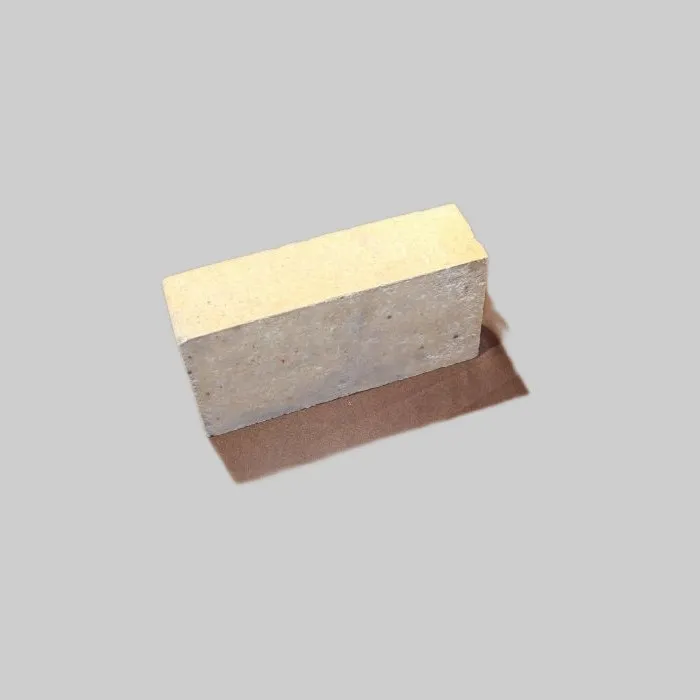
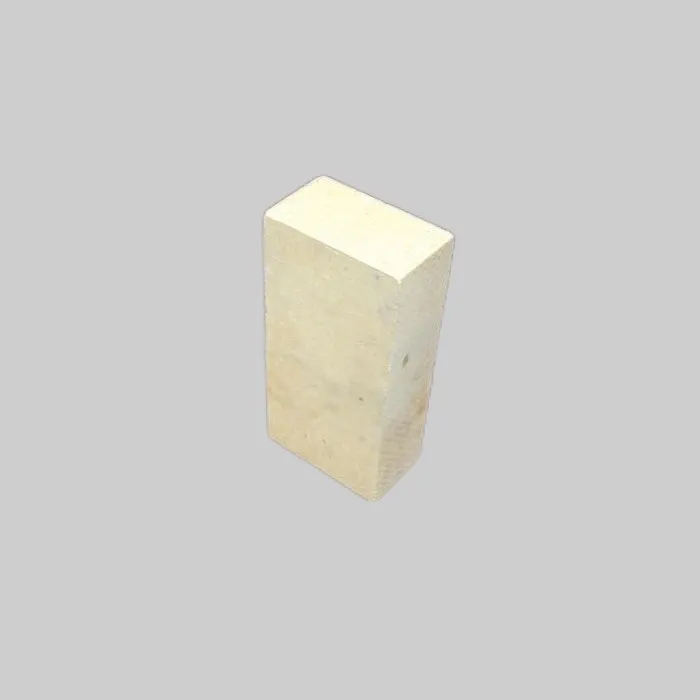
Another challenge is the quality control. Ensuring that the recycled materials meet the required standards for new applications can be tricky. Since the used bricks may have been exposed to different chemicals and conditions, it's important to test the recycled material thoroughly before using it in a new product.
Real - World Examples
In some industries, there are already successful examples of castable fire brick recycling. For instance, in the cement industry, some companies have started using recycled fire bricks as a raw material in their cement production. This not only reduces waste but also helps to improve the quality of the cement in some cases.
In the steel industry, recycled fire bricks are sometimes used as a fluxing agent. They can help to lower the melting point of the metal and improve the efficiency of the smelting process.
Where to Find Quality Castable Fire Bricks
If you're in the market for high - quality castable fire bricks, we've got you covered. We offer a wide range of products, including Heat Resistant Fire Bricks, Long Fire Bricks, and Alumina Firebrick. Our products are known for their excellent heat resistance and durability, making them perfect for all your industrial needs.
Contact for Purchase and Discussion
If you're interested in learning more about our castable fire bricks or have any questions about recycling, feel free to reach out. We're always happy to have a chat and help you find the best solutions for your business. Whether you're looking to buy new bricks or want to explore recycling options, we've got the expertise to assist you.
In conclusion, while recycling castable fire bricks has its challenges, it's definitely possible. With the right methods and a bit of innovation, we can make the most of these materials and contribute to a more sustainable future.
References
- ASTM International. (Year). Standard test methods for refractory materials.
- Industrial Minerals Association - North America. (Year). Recycling of refractory materials in the industrial sector.
- Journal of Refractory Materials. Various issues on the topic of fire brick recycling.