

Can fire bricks be painted? This is a question that often comes up among those involved in various industries where fire bricks are used, such as in kilns, fireplaces, and industrial furnaces. As a fire brick supplier, I've encountered this query numerous times from my customers, and I'm here to provide a comprehensive answer based on scientific knowledge and practical experience.
Understanding Fire Bricks
Before we delve into the topic of painting fire bricks, it's essential to understand what fire bricks are and their properties. Fire bricks, also known as refractory bricks, are specially designed to withstand high temperatures. They are made from materials with high melting points, such as clay, alumina, and silica. These materials give fire bricks their excellent heat - resistant properties, allowing them to maintain their structural integrity even in extremely hot environments.
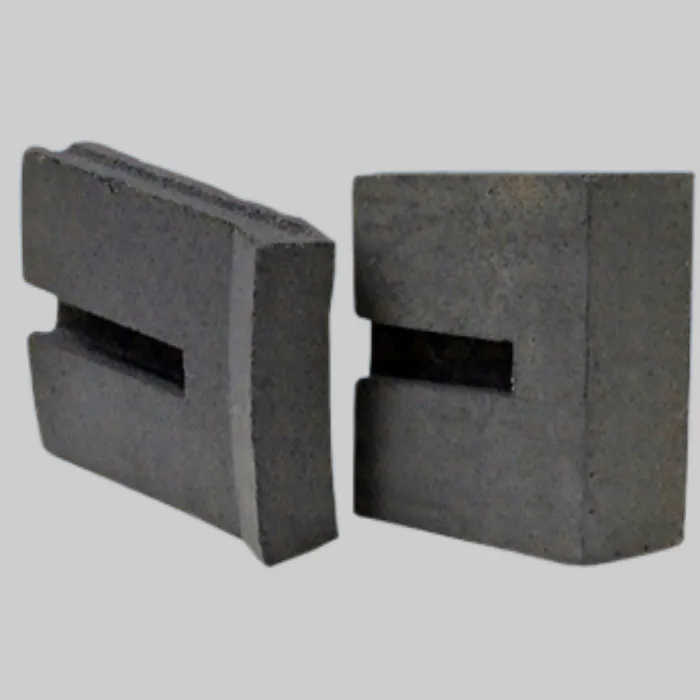
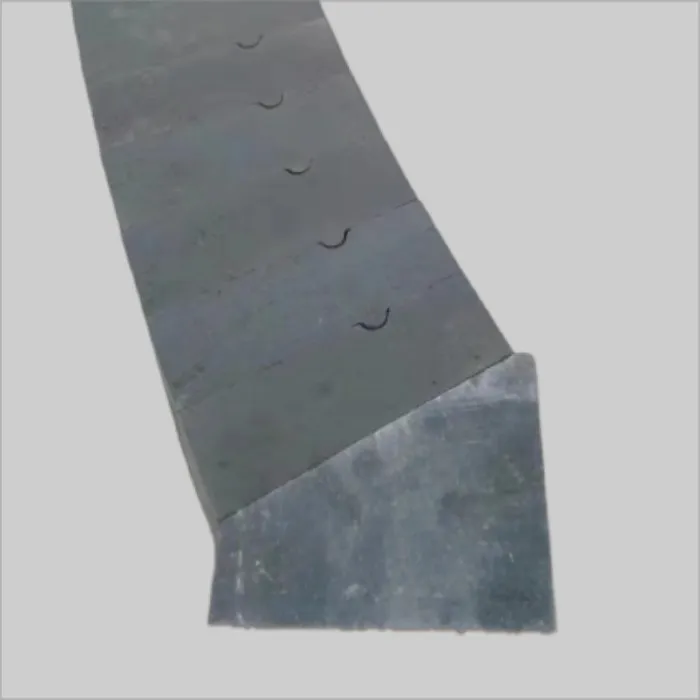
There are different types of fire bricks available in the market, each with its own unique characteristics and applications. For instance, Refractory Anchor Brick is designed to provide anchorage in refractory linings, ensuring stability in high - temperature structures. Silicon Carbide Refractory Bricks are known for their high thermal conductivity and excellent resistance to abrasion and corrosion, making them suitable for applications in the steel and aluminum industries. Alumina Chrome Brick offers good resistance to chemical attack and high temperatures, commonly used in the glass and cement industries.
The Function of Fire Bricks
The primary function of fire bricks is to insulate and protect structures from the intense heat generated in furnaces, kilns, and fireplaces. They act as a barrier, preventing heat from escaping and protecting the surrounding materials from damage. Fire bricks are also used to line the interiors of these structures, providing a stable and durable surface that can withstand the mechanical stress and chemical reactions associated with high - temperature processes.
Can Fire Bricks Be Painted?
The short answer is yes, fire bricks can be painted. However, there are several important factors to consider before deciding to paint fire bricks.
Compatibility of Paint
The most crucial factor is the compatibility of the paint with the high - temperature environment. Regular paints are not suitable for fire bricks because they will burn, melt, or release toxic fumes when exposed to high temperatures. Special high - temperature paints are required for this purpose. These paints are formulated to withstand temperatures ranging from a few hundred degrees Celsius to over a thousand degrees Celsius, depending on the specific application.
High - temperature paints are typically made from inorganic materials such as ceramic or silicone. Ceramic - based paints can withstand extremely high temperatures and provide excellent heat resistance. Silicone - based paints are also popular because they offer good flexibility and adhesion, even at high temperatures.
Purpose of Painting
Another factor to consider is the purpose of painting the fire bricks. If the main goal is to improve the aesthetic appearance of the fire bricks, painting can be a viable option. For example, in a residential fireplace, painting the fire bricks can give the fireplace a more modern and clean look. However, if the fire bricks are used in an industrial setting, the paint should not interfere with their functional properties. The paint should not reduce the heat - insulating capabilities of the fire bricks or react with the chemicals present in the high - temperature environment.
Application Process
The application process of painting fire bricks is also important. The surface of the fire bricks must be clean and dry before painting. Any dirt, dust, or grease on the surface can prevent the paint from adhering properly. A primer may be required in some cases to ensure better adhesion of the paint. The paint should be applied evenly using a brush or a spray gun, following the manufacturer's instructions. Multiple coats may be necessary to achieve the desired thickness and durability.
Advantages of Painting Fire Bricks
Aesthetic Improvement
As mentioned earlier, one of the main advantages of painting fire bricks is the aesthetic improvement. Fire bricks in their natural state can look rough and unappealing. Painting them can give them a more polished and professional appearance, which is especially important in residential and commercial settings.
Protection
In some cases, painting fire bricks can provide an additional layer of protection. The paint can act as a barrier against moisture, chemicals, and abrasion, extending the lifespan of the fire bricks. For example, in a fireplace, the paint can prevent the bricks from absorbing moisture, which can lead to cracking and spalling over time.
Disadvantages of Painting Fire Bricks
Impact on Functionality
One of the potential disadvantages of painting fire bricks is the impact on their functionality. If the paint is not properly selected or applied, it may reduce the heat - insulating properties of the fire bricks. This can lead to increased energy consumption and reduced efficiency of the high - temperature equipment.
Maintenance
Painted fire bricks may require more maintenance than unpainted ones. Over time, the paint may start to chip or peel, especially in areas with high mechanical stress or extreme temperature fluctuations. Regular inspection and touch - up painting may be necessary to keep the fire bricks looking good and functioning properly.
Conclusion
In conclusion, fire bricks can be painted, but it's important to do it right. Choosing the right high - temperature paint, considering the purpose of painting, and following the proper application process are all crucial steps. Whether you're looking to improve the aesthetics of your fireplace or protect your industrial fire bricks, painting can be a viable option if done correctly.
If you're interested in purchasing fire bricks or have any questions about painting them, I encourage you to contact me for more information and to discuss your specific needs. I'm here to provide you with the best products and solutions for your high - temperature applications.
References
- ASTM International. Standard Test Methods for Physical Testing of Refractory Materials.
- Perry, R. H., & Green, D. W. (Eds.). Perry's Chemical Engineers' Handbook. McGraw - Hill Education.
- Manufacturers' product specifications for high - temperature paints and fire bricks.