

As a supplier of high temp bricks, I often get asked whether these specialized bricks can be reused. This is a valid question, especially considering the cost and environmental impact associated with high temp bricks. In this blog, I'll delve into the factors that determine the reusability of high temp bricks, the challenges and benefits of reuse, and how our company can assist with your high temp brick needs.
What are High Temp Bricks?
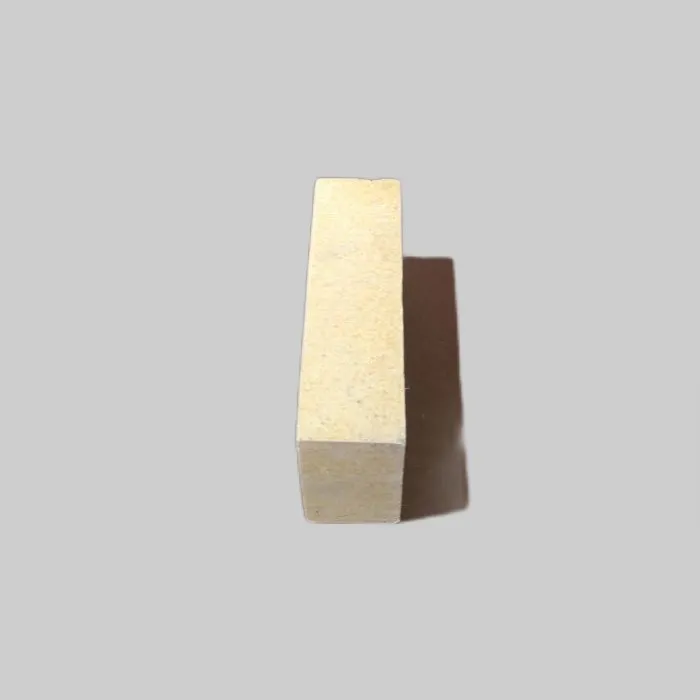
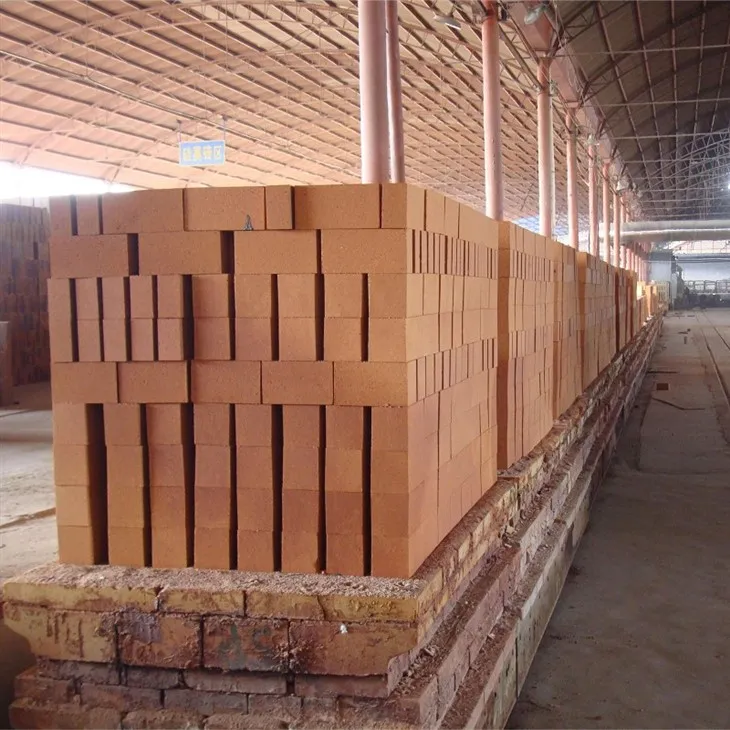
High temp bricks, also known as refractory bricks, are designed to withstand extremely high temperatures without deforming or melting. They are commonly used in industries such as metallurgy, glass manufacturing, cement production, and power generation. These bricks are made from materials with high melting points, such as alumina, silica, and magnesia, which give them their excellent thermal resistance properties.
There are different types of high temp bricks available, each with its own specific characteristics and applications. For example, High Duty Firebrick is known for its high strength and resistance to abrasion, making it suitable for use in areas with high mechanical stress. High Temp Bricks are designed to provide excellent insulation and can withstand temperatures up to 1800°C. Ceramic Refractory Bricks are made from ceramic materials and offer good thermal shock resistance.
Factors Affecting Reusability
The reusability of high temp bricks depends on several factors, including the type of brick, the application, the degree of wear and tear, and the condition of the bricks after use.
Type of Brick
Different types of high temp bricks have different levels of durability and resistance to thermal stress. For example, bricks with a higher alumina content tend to be more resistant to high temperatures and chemical corrosion, making them more likely to be reusable. On the other hand, bricks that are made from lower-quality materials or have a lower melting point may not be suitable for reuse after being exposed to high temperatures.
Application
The application in which the high temp bricks are used also plays a crucial role in determining their reusability. Bricks that are used in less demanding applications, such as in the lining of a small kiln or furnace, may be more likely to be reusable than those used in high-stress applications, such as in the blast furnace of a steel mill. In high-stress applications, the bricks are subjected to extreme temperatures, mechanical stress, and chemical reactions, which can cause them to degrade more quickly and reduce their reusability.
Degree of Wear and Tear
The degree of wear and tear that the high temp bricks have experienced during use is another important factor to consider. Bricks that have been damaged, cracked, or eroded are less likely to be reusable than those that are in good condition. Even minor damage can compromise the integrity of the bricks and reduce their ability to withstand high temperatures and mechanical stress.
Condition After Use
The condition of the high temp bricks after use also affects their reusability. If the bricks have been properly removed and stored, they are more likely to be in a condition that allows for reuse. On the other hand, if the bricks have been exposed to moisture, chemicals, or other contaminants during storage, they may be damaged and unsuitable for reuse.
Challenges of Reusing High Temp Bricks
While reusing high temp bricks can be a cost-effective and environmentally friendly option, there are also several challenges associated with it.
Inspection and Testing
Before reusing high temp bricks, it is essential to conduct a thorough inspection and testing to ensure that they are still suitable for use. This may involve visual inspection, dimensional measurement, and testing for thermal conductivity, strength, and chemical resistance. The inspection and testing process can be time-consuming and expensive, especially if a large number of bricks need to be evaluated.
Cleaning and Preparation
High temp bricks that have been used in industrial applications may be covered in dirt, debris, and chemical residues. Before reusing these bricks, they need to be cleaned and prepared properly to remove any contaminants and ensure that they are in a suitable condition for use. The cleaning and preparation process can be labor-intensive and may require specialized equipment and chemicals.
Compatibility
When reusing high temp bricks, it is important to ensure that they are compatible with the existing bricks and the application in which they will be used. Different types of bricks may have different thermal expansion coefficients, chemical compositions, and mechanical properties, which can affect their performance when used together. If the reused bricks are not compatible with the existing bricks, it can lead to problems such as cracking, spalling, and reduced thermal efficiency.
Benefits of Reusing High Temp Bricks
Despite the challenges, there are also several benefits to reusing high temp bricks.
Cost Savings
One of the main benefits of reusing high temp bricks is the cost savings. High temp bricks can be expensive, especially if they are made from high-quality materials. By reusing these bricks, you can reduce your procurement costs and save money on your overall project budget.
Environmental Sustainability
Reusing high temp bricks is also an environmentally sustainable option. By reducing the demand for new bricks, you can conserve natural resources and reduce the carbon footprint associated with the production and transportation of new bricks. Additionally, reusing bricks can help to reduce the amount of waste sent to landfills, which is beneficial for the environment.
Availability
In some cases, reusing high temp bricks may be the only option available. If there is a shortage of new bricks or if the lead time for new bricks is too long, reusing existing bricks can help to ensure that your project stays on schedule.
Our Company's Role
As a supplier of high temp bricks, we understand the importance of reusability and the challenges associated with it. We offer a range of services to help our customers with their high temp brick needs, including inspection, testing, cleaning, and preparation of reused bricks.
Our team of experts has extensive experience in the refractory industry and can provide you with professional advice and guidance on the reusability of high temp bricks. We use state-of-the-art equipment and techniques to conduct thorough inspections and testing of the bricks to ensure that they are still suitable for use.
In addition to our reuse services, we also offer a wide range of new high temp bricks, including High Duty Firebrick, High Temp Bricks, and Ceramic Refractory Bricks. Our products are made from high-quality materials and are designed to meet the highest standards of performance and reliability.
If you are considering reusing high temp bricks or need to purchase new bricks for your project, we encourage you to contact us. Our team will be happy to discuss your requirements and provide you with a customized solution that meets your needs and budget.
Conclusion
In conclusion, the reusability of high temp bricks depends on several factors, including the type of brick, the application, the degree of wear and tear, and the condition of the bricks after use. While there are challenges associated with reusing high temp bricks, such as inspection, testing, cleaning, and compatibility, there are also significant benefits, including cost savings, environmental sustainability, and availability.
As a supplier of high temp bricks, we are committed to helping our customers make the most of their high temp brick investments. Whether you are looking to reuse existing bricks or purchase new ones, we have the expertise and resources to provide you with the best possible solution. Contact us today to learn more about our products and services and to discuss your high temp brick needs.
References
- ASTM International. (2023). Standard Terminology Relating to Refractories. ASTM C71-23.
- Norton, F. H. (1968). Refractories. Addison-Wesley Publishing Company.
- Singh, N., & Ray, S. C. (2011). Refractory Materials: Principles and Practice. CRC Press.