

Can high temp bricks be used in a petrochemical furnace?
As a supplier of high temperature bricks, I often receive inquiries from customers in the petrochemical industry about the suitability of our products for their furnaces. Petrochemical furnaces operate under extremely harsh conditions, including high temperatures, corrosive environments, and mechanical stress. Therefore, the selection of refractory materials is crucial to ensure the efficient and safe operation of these furnaces. In this blog post, I will explore whether high temp bricks can be used in a petrochemical furnace and discuss the key factors to consider.
Understanding Petrochemical Furnace Requirements
Petrochemical furnaces are designed to process various hydrocarbon feedstocks, such as crude oil, natural gas, and petrochemical intermediates. These furnaces typically operate at temperatures ranging from 800°C to 1300°C, depending on the specific process and feedstock. In addition to high temperatures, petrochemical furnaces are also exposed to corrosive gases, such as sulfur dioxide, hydrogen sulfide, and carbon monoxide, which can cause chemical degradation of the refractory materials.
Another important consideration is the mechanical stress that the refractory lining experiences during operation. Petrochemical furnaces are subject to thermal cycling, which can cause expansion and contraction of the refractory materials, leading to cracking and spalling. Additionally, the flow of hot gases and molten materials can create abrasive wear on the refractory lining.
Properties of High Temperature Bricks
High temperature bricks, also known as refractory bricks, are specially designed to withstand high temperatures and harsh environments. These bricks are typically made from refractory materials, such as alumina, silica, magnesia, and zirconia, which have high melting points and excellent thermal stability.

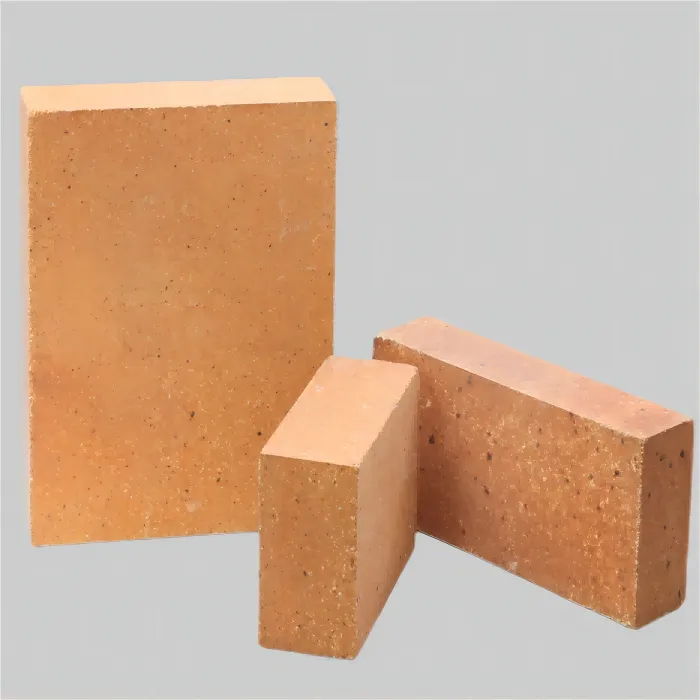
One of the key properties of high temperature bricks is their thermal conductivity. Low thermal conductivity is desirable in petrochemical furnaces to minimize heat loss and improve energy efficiency. High temperature bricks with low thermal conductivity can also help to maintain a more uniform temperature distribution within the furnace, reducing the risk of thermal stress and cracking.
Another important property is the refractoriness of the bricks, which is the ability to withstand high temperatures without melting or deforming. High refractoriness is essential in petrochemical furnaces, where the temperature can exceed 1000°C. The refractoriness of high temperature bricks is typically measured in terms of the pyrometric cone equivalent (PCE), which is a standard scale used to compare the refractoriness of different materials.
In addition to thermal conductivity and refractoriness, high temperature bricks also need to have good chemical resistance to withstand the corrosive gases and molten materials present in petrochemical furnaces. The chemical composition of the bricks plays a crucial role in determining their chemical resistance. For example, alumina bricks are highly resistant to acidic gases, while magnesia bricks are more suitable for alkaline environments.
Types of High Temperature Bricks for Petrochemical Furnaces
There are several types of high temperature bricks that can be used in petrochemical furnaces, each with its own unique properties and applications. Some of the most common types include:
- Alumina Bricks: Alumina bricks are one of the most widely used refractory materials in petrochemical furnaces. They are made from high-purity alumina and have excellent thermal stability, high refractoriness, and good chemical resistance. Alumina bricks are available in different grades, depending on the alumina content. Higher alumina content generally results in better performance at high temperatures. For example, Sk34 Brick is a high-quality alumina brick with a high alumina content, which makes it suitable for use in the hottest parts of petrochemical furnaces.
- Magnesia Bricks: Magnesia bricks are another popular choice for petrochemical furnaces, especially in applications where the environment is alkaline. Magnesia bricks have high refractoriness, good thermal conductivity, and excellent resistance to basic slags and molten metals. However, they are more susceptible to thermal shock than alumina bricks, so they need to be used with caution in applications where thermal cycling is severe.
- Silica Bricks: Silica bricks are commonly used in the roof and walls of petrochemical furnaces. They have a relatively low cost and good thermal insulation properties. Silica bricks are also resistant to acidic gases, but they have a lower refractoriness than alumina and magnesia bricks, so they are not suitable for use in the hottest parts of the furnace.
- Zirconia Bricks: Zirconia bricks are a high-performance refractory material that offers excellent thermal stability, high refractoriness, and good chemical resistance. They are often used in the most demanding applications in petrochemical furnaces, such as the burner area and the radiant section. However, zirconia bricks are more expensive than other types of high temperature bricks, so their use is usually limited to critical areas of the furnace.
Considerations for Using High Temperature Bricks in Petrochemical Furnaces
When selecting high temperature bricks for a petrochemical furnace, several factors need to be considered to ensure the best performance and longevity of the refractory lining. These factors include:
- Temperature Requirements: The operating temperature of the furnace is the most important factor to consider when selecting high temperature bricks. The bricks should have a refractoriness that is higher than the maximum temperature expected in the furnace to prevent melting and deformation.
- Chemical Environment: The chemical composition of the gases and molten materials present in the furnace will determine the type of high temperature bricks that are most suitable. For example, if the environment is acidic, alumina bricks or silica bricks may be a good choice, while if the environment is alkaline, magnesia bricks may be more appropriate.
- Thermal Cycling: Thermal cycling can cause cracking and spalling of the refractory lining, so it is important to select bricks that have good thermal shock resistance. Bricks with low thermal expansion coefficients and high strength are generally more resistant to thermal shock.
- Mechanical Stress: The flow of hot gases and molten materials can create abrasive wear on the refractory lining, so it is important to select bricks that have good abrasion resistance. Bricks with a dense structure and high hardness are generally more resistant to abrasion.
- Installation and Maintenance: Proper installation and maintenance of the refractory lining are essential to ensure its long-term performance. The bricks should be installed according to the manufacturer's recommendations, and regular inspections and repairs should be carried out to detect and address any issues before they become serious.
Conclusion
In conclusion, high temperature bricks can be used in a petrochemical furnace, but the selection of the right type of bricks is crucial to ensure the efficient and safe operation of the furnace. When choosing high temperature bricks, it is important to consider the temperature requirements, chemical environment, thermal cycling, mechanical stress, and installation and maintenance factors. By selecting the appropriate high temperature bricks and following proper installation and maintenance procedures, petrochemical companies can extend the lifespan of their furnaces, improve energy efficiency, and reduce operating costs.
If you are in the petrochemical industry and are looking for high-quality high temperature bricks for your furnace, please do not hesitate to contact us. We have a wide range of high temperature bricks, including Sk34 Brick, K26 Refractory Brick, and Waste Clay Brick, to meet your specific requirements. Our team of experts can provide you with professional advice and guidance on the selection and installation of refractory materials. Let's work together to ensure the success of your petrochemical operations.
References
- "Refractories Handbook", ASM International
- "Handbook of Refractory Technology", Elsevier
- "High Temperature Materials and Technology", Woodhead Publishing