

Ramming mass is a crucial refractory material used in various metallurgical processes, primarily for lining furnaces and related equipment. As a ramming mass supplier, I have witnessed firsthand how the quality and type of ramming mass can significantly impact the quality of molten metal. In this blog, I will delve into the different aspects of ramming mass and its influence on the quality of molten metal.
Understanding Ramming Mass
Ramming mass is a granular or powder - like refractory material that is rammed into place to form a lining in furnaces, ladles, and other metallurgical vessels. It is designed to withstand high temperatures, chemical attacks, and mechanical stresses during the melting and refining processes. There are several types of ramming mass available, each with its own unique properties and applications.
- Zirconia Ramming Mass: Zirconia ramming mass is known for its high refractoriness and excellent thermal shock resistance. It can withstand extremely high temperatures, making it suitable for applications where very high - temperature melting is required. You can learn more about Zirconia Ramming Mass.
- Alumina Ramming Mass: Alumina ramming mass is widely used due to its good chemical stability and mechanical strength. It can resist the corrosion of molten metal and slag, and is often used in induction furnaces, electric arc furnaces, and other steel - making equipment. For more information, visit Alumina Ramming Mass.
- Quartz Ramming Mass: Quartz ramming mass is relatively inexpensive and has good thermal insulation properties. It is commonly used in small - scale melting operations and in situations where the temperature requirements are not extremely high. Check out Quartz Ramming Mass for details.
Impact on Molten Metal Quality
Chemical Purity
One of the most important factors in determining the quality of molten metal is its chemical purity. The ramming mass used in the furnace lining can either contribute to or prevent the contamination of the molten metal. High - quality ramming mass with low impurity levels will not react with the molten metal, thus maintaining its chemical composition. For example, if the ramming mass contains excessive amounts of sulfur, phosphorus, or other harmful elements, these elements can diffuse into the molten metal during the melting process, leading to a decrease in the metal's purity and performance.
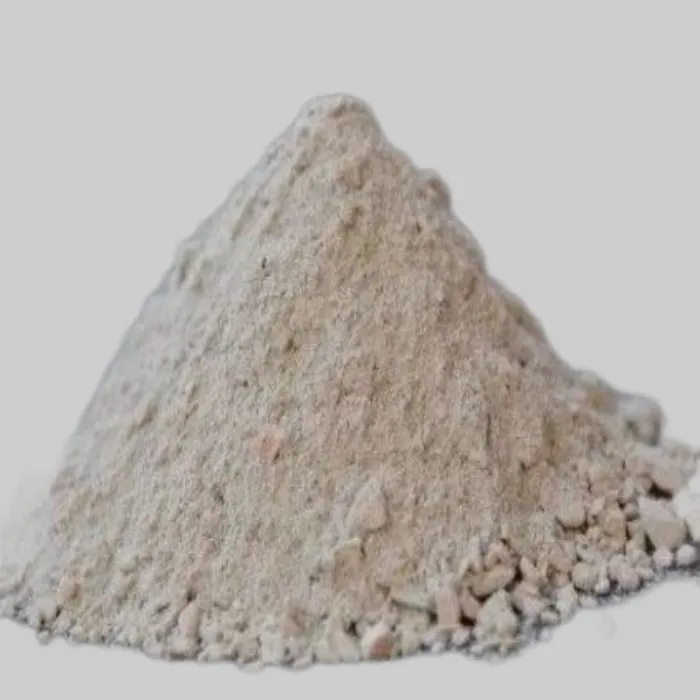
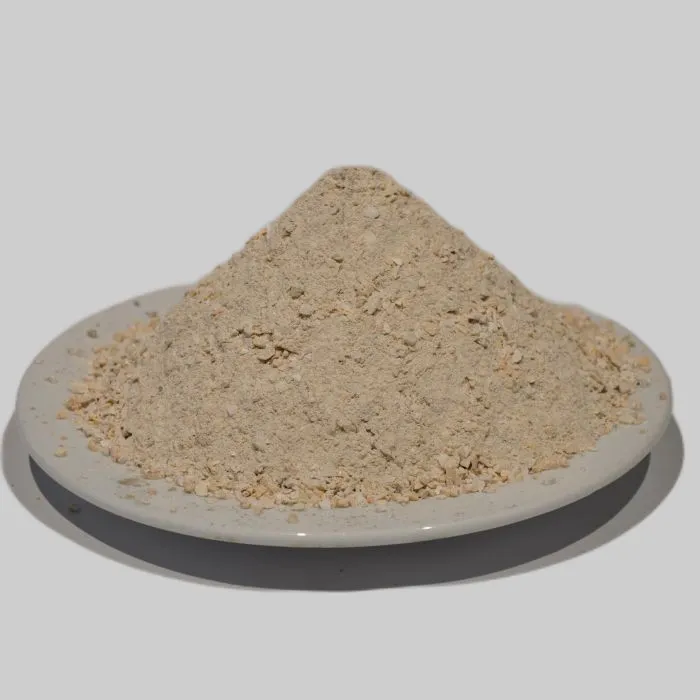
A well - selected ramming mass with high chemical purity can help to produce molten metal with fewer impurities. For instance, in the production of high - grade stainless steel, using a zirconia ramming mass with low impurity content can prevent the introduction of unwanted elements into the molten steel, ensuring that the final product meets the strict quality requirements.
Thermal Insulation
Thermal insulation is another critical aspect affected by ramming mass. A good ramming mass should have low thermal conductivity, which helps to reduce heat loss from the furnace. When the furnace lining has excellent thermal insulation properties, the molten metal can maintain a stable temperature during the melting and holding processes.
If the ramming mass has poor thermal insulation, a large amount of heat will be lost to the surrounding environment. This can lead to uneven temperature distribution in the molten metal, causing local solidification or over - heating in some areas. Uneven temperature can result in inhomogeneous microstructure and mechanical properties of the final metal product. For example, in the casting of large - scale metal components, an uneven temperature in the molten metal can lead to the formation of internal defects such as shrinkage cavities and porosity.
Resistance to Corrosion and Erosion
Molten metal and slag are highly corrosive and erosive to the furnace lining. The ramming mass must be able to resist these attacks to maintain its integrity and protect the molten metal from contamination. A ramming mass with good corrosion and erosion resistance can prevent the penetration of molten metal and slag into the lining, reducing the risk of lining failure and the introduction of foreign materials into the molten metal.
For example, in aluminum melting furnaces, the molten aluminum is highly reactive and can easily corrode the furnace lining. Using an alumina ramming mass with high corrosion resistance can effectively protect the furnace lining and ensure the quality of the molten aluminum. If the ramming mass is not resistant to corrosion, the lining will gradually wear away, and the corroded materials will mix with the molten aluminum, affecting its purity and mechanical properties.
Thermal Shock Resistance
During the melting process, the furnace lining is subjected to rapid temperature changes, which can cause thermal shock. A ramming mass with good thermal shock resistance can withstand these temperature fluctuations without cracking or spalling. If the ramming mass fails to resist thermal shock, cracks will form in the lining. These cracks can provide channels for molten metal and slag to penetrate, leading to lining damage and potential contamination of the molten metal.
For example, in an induction furnace where the heating and cooling cycles are relatively fast, using a ramming mass with high thermal shock resistance, such as zirconia ramming mass, can prevent the formation of cracks in the lining and ensure the stable operation of the furnace and the quality of the molten metal.
Influence on the Melting Process
Melting Efficiency
The properties of ramming mass can also affect the melting efficiency of the furnace. A ramming mass with good thermal conductivity can transfer heat more effectively from the heating source to the charge, reducing the melting time and energy consumption. On the other hand, a ramming mass with low thermal conductivity may slow down the melting process, increasing the production time and cost.
In addition, the shape and structure of the ramming mass lining can also influence the melting efficiency. A well - designed lining can promote better circulation of the molten metal, ensuring that all the charge is evenly heated and melted. This can improve the overall productivity of the melting process and the quality of the molten metal.
Metal Yield
The quality of ramming mass can have a direct impact on the metal yield. If the ramming mass is prone to corrosion and erosion, a significant amount of metal may be lost due to adhesion to the lining or contamination by the lining materials. A high - quality ramming mass with good resistance to corrosion and erosion can minimize these losses, increasing the metal yield.
For example, in a copper smelting furnace, using a suitable ramming mass can prevent the copper from adhering to the lining and reduce the amount of copper that is wasted during the melting process. This not only improves the economic efficiency of the production but also helps to ensure the quality of the final copper product.
Choosing the Right Ramming Mass
Selecting the appropriate ramming mass is crucial for achieving high - quality molten metal. When choosing a ramming mass, several factors need to be considered:
- Temperature Requirements: Different types of ramming mass have different temperature limits. It is essential to select a ramming mass that can withstand the maximum temperature reached during the melting process. For high - temperature applications, zirconia ramming mass may be the best choice, while for lower - temperature operations, quartz ramming mass can be a cost - effective option.
- Chemical Compatibility: The ramming mass should be chemically compatible with the molten metal and slag. It should not react with the metal or slag to avoid contamination. For example, when melting acidic metals, an acidic ramming mass should be used, and for basic metals, a basic ramming mass is more suitable.
- Operating Conditions: The operating conditions of the furnace, such as the frequency of heating and cooling cycles, the presence of mechanical vibrations, and the flow rate of the molten metal, also need to be considered. A ramming mass with good thermal shock resistance and mechanical strength should be selected for applications with severe operating conditions.
Conclusion
In conclusion, ramming mass plays a vital role in determining the quality of molten metal. Its chemical purity, thermal insulation, resistance to corrosion and erosion, thermal shock resistance, and other properties can significantly impact the melting process and the final quality of the metal product. As a ramming mass supplier, I understand the importance of providing high - quality ramming mass to meet the diverse needs of the metallurgical industry.
If you are looking for high - quality ramming mass for your melting operations, please feel free to contact us for more information and to discuss your specific requirements. We are committed to providing you with the best solutions to ensure the production of high - quality molten metal.
References
- Schneider, H., & Somers, J. M. (2008). Refractories Handbook. CRC Press.
- Reed, J. S. (1995). Principles of Ceramic Processing. Wiley.
- Upadhyaya, G. S., & Suri, S. C. (2004). Refractories: Technology and Applications. Tata McGraw - Hill.