

Hey there! As a refractory cement supplier, I often get asked if our refractory cement can be used in an aluminum smelter. So, I thought I'd write this blog to share some insights on this topic.
First off, let's understand what goes on in an aluminum smelter. Aluminum smelting is a high - tech and high - temperature process. The smelting usually takes place at extremely high temperatures. We're talking about temperatures that can reach up to 950 - 1000°C in the electrolytic cells where aluminum is produced from alumina. These cells are lined with materials that need to withstand not only the high heat but also the corrosive nature of the molten aluminum and the electrolytes used in the process.
Now, let's talk about refractory cement. Refractory cement is a special type of cement that can handle high temperatures without losing its structural integrity. It's made from materials like calcium aluminate, which gives it the ability to resist heat.
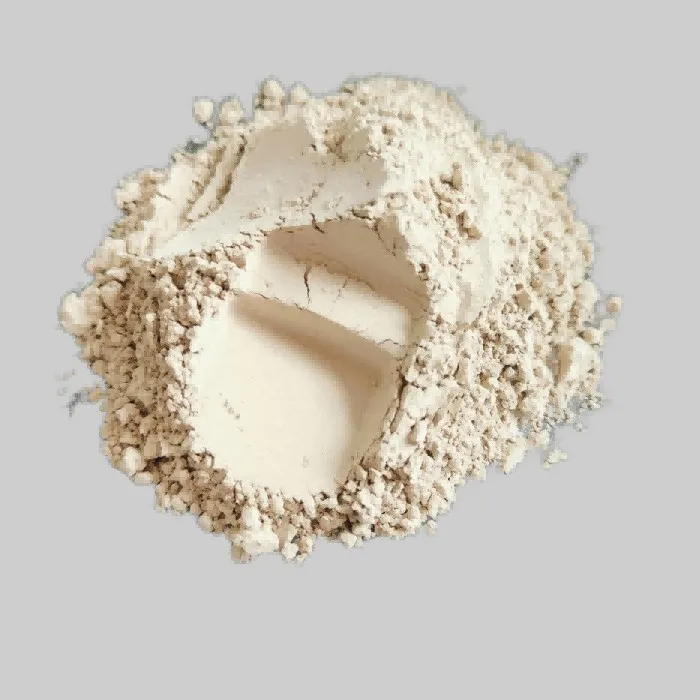
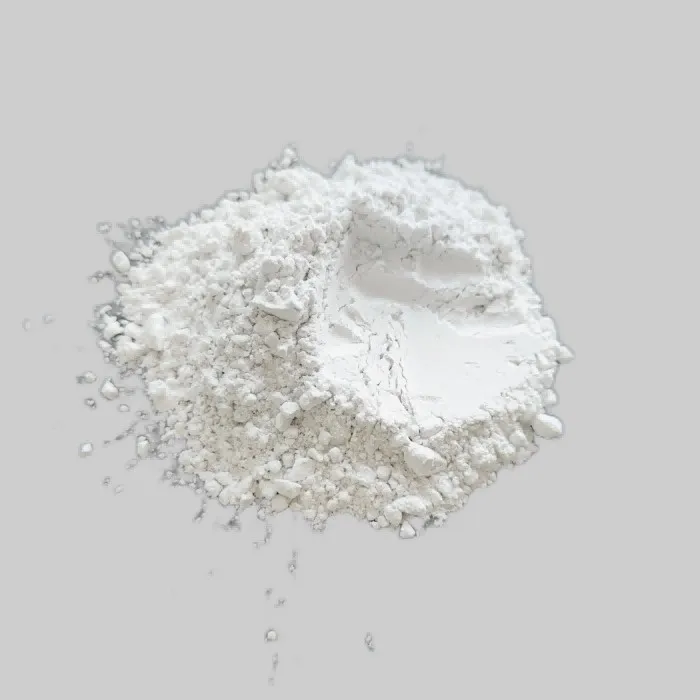
One of the main types of refractory cement we offer is Calcium Alumina Cement. This cement is a great option for high - temperature applications. It has excellent thermal shock resistance, which means it can handle sudden changes in temperature without cracking. In an aluminum smelter, there can be rapid temperature changes during the start - up and shut - down of the smelting process. Calcium alumina cement can stand up to these conditions, making it a potential candidate for use in the lining of the smelting equipment.
Another product we have is High Strength Refractory Cement. As the name suggests, this cement has high strength, which is crucial in an aluminum smelter. The equipment in the smelter is under a lot of mechanical stress. There are moving parts, and the weight of the molten aluminum and other materials can put a strain on the lining. High strength refractory cement can provide the necessary support and durability to withstand these mechanical forces.
We also offer Refractory Cement 25kg. This is a convenient packaging option for smaller repair jobs or for customers who want to test the product before making a large - scale purchase.
But, using refractory cement in an aluminum smelter isn't just about the temperature and strength. There are other factors to consider. For example, the chemical resistance of the cement is very important. The electrolytes used in aluminum smelting are highly corrosive. The refractory cement needs to be able to resist the chemical attack from these electrolytes. Our refractory cements are formulated to have good chemical resistance, which helps them last longer in the harsh environment of an aluminum smelter.
Another aspect is the porosity of the cement. A low - porosity refractory cement is preferred in an aluminum smelter. If the cement has high porosity, the molten aluminum and electrolytes can seep into the pores, causing damage to the lining over time. Our refractory cements are designed to have a low porosity, which helps prevent this kind of damage.
However, it's important to note that every aluminum smelter is different. The specific requirements can vary depending on the type of smelting process, the size of the smelter, and the quality of the raw materials used. That's why it's crucial to work closely with the smelter operators to understand their exact needs.
We've had some success stories with our refractory cements in aluminum smelters. In one case, a smelter was experiencing frequent lining failures. After switching to our high - strength refractory cement, they noticed a significant improvement in the lifespan of the lining. The reduced downtime due to lining repairs led to increased production and cost savings for the smelter.
So, can refractory cement be used for an aluminum smelter? The answer is yes, but with the right selection and proper installation. We're here to help you make the right choice. If you're an operator of an aluminum smelter or involved in the procurement for one, we'd love to have a chat with you. Our team of experts can assess your specific requirements and recommend the best refractory cement solution for your needs. Whether it's for new construction, expansion, or repair work, we've got you covered.
If you're interested in learning more about our refractory cements or want to discuss a potential project, don't hesitate to reach out. We're always happy to have a discussion and see how we can assist you in improving the efficiency and longevity of your aluminum smelting operations.
Let's work together to make your aluminum smelter more productive and cost - effective. Contact us today to start the conversation about how our refractory cements can meet your specific needs in the aluminum smelting industry.
References
- "High - Temperature Materials and Their Applications" by David J. Singh
- "Aluminum Smelting Technology: An Introduction" by John A. Taylor