

Insulation property is a critical characteristic when it comes to well blocks, and as a well block supplier, I am well - versed in the details of this aspect. Well blocks play a significant role in various industrial applications, especially in the steelmaking and foundry industries. In this blog, I will delve into what the insulation property of a well block is, why it matters, and how it can impact the overall efficiency of industrial processes.
Understanding the Insulation Property of a Well Block
The insulation property of a well block refers to its ability to resist the flow of heat. In industrial settings, well blocks are often used in environments where high temperatures are involved, such as in the ladle systems of steel plants. A well - designed well block should be able to minimize the heat transfer from the molten metal or high - temperature substances it comes into contact with to the surrounding environment.
This insulation is achieved through several factors. First, the material composition of the well block is crucial. Most well blocks are made from refractory materials, which have inherently high heat - resistance. These materials can withstand extreme temperatures without melting or deforming easily. For example, alumina - based refractory materials are commonly used in well blocks. Alumina has a high melting point and low thermal conductivity, which means it can effectively slow down the heat transfer process.
Another factor that affects the insulation property is the structure of the well block. A well - engineered well block may have a porous structure. The pores within the material act as small pockets of air, and air is a poor conductor of heat. By having a porous structure, the well block can further reduce the heat transfer rate. Additionally, the density of the well block also plays a role. A lower - density well block generally has better insulation properties because it contains more air spaces.
Importance of Insulation Property in Well Blocks
The insulation property of well blocks is of utmost importance for several reasons. In the steelmaking industry, for instance, maintaining the temperature of the molten steel is crucial. When the molten steel is poured from the ladle through the well block, if the well block has poor insulation, a significant amount of heat will be lost to the surrounding environment. This can lead to a decrease in the temperature of the molten steel, which may cause issues such as solidification in the pouring system, clogging of the Sub Entry Nozzle, and uneven casting.
Moreover, good insulation can also improve energy efficiency. By reducing the heat loss, less energy is required to keep the molten metal at the desired temperature. This not only saves energy costs but also reduces the environmental impact associated with energy consumption. In a large - scale industrial operation, even a small improvement in energy efficiency can result in substantial savings over time.
In addition to energy savings, the insulation property also helps to protect the surrounding equipment and infrastructure. High - temperature environments can cause damage to adjacent structures and components. A well - insulated well block can act as a barrier, preventing excessive heat from reaching these areas and extending the lifespan of the equipment.
Testing and Evaluation of Insulation Property
As a well block supplier, I understand the importance of accurately testing and evaluating the insulation property of our products. There are several methods used to measure the thermal conductivity of well blocks, which is a key parameter for assessing insulation performance.
One common method is the guarded hot - plate method. In this method, a well - controlled heat source is applied to one side of the well block sample, and the temperature difference across the sample is measured. By knowing the heat flux and the temperature difference, the thermal conductivity of the well block can be calculated. Another method is the transient plane source method, which is a more modern and efficient way to measure thermal conductivity. It can provide quick and accurate results, making it suitable for quality control in mass production.
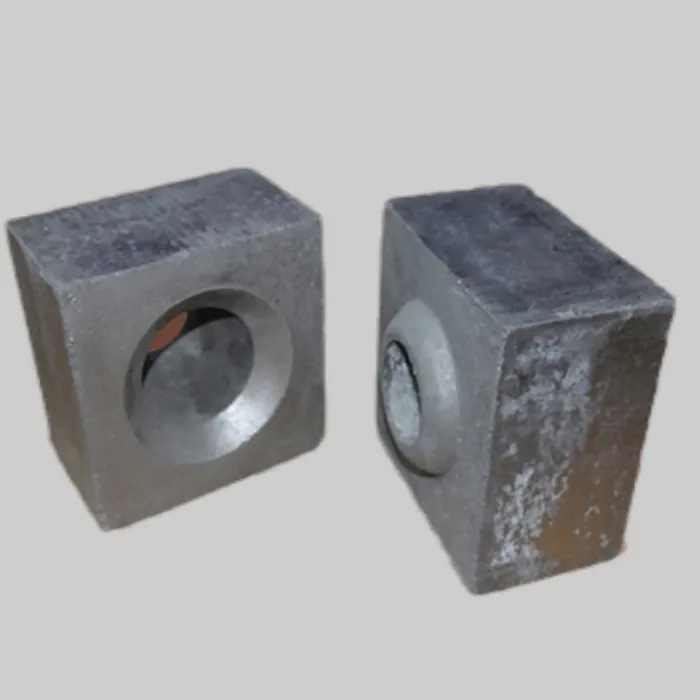
We also conduct long - term field tests to evaluate the insulation performance of our well blocks in real - world industrial settings. By installing well blocks in actual ladle systems and monitoring the temperature changes over time, we can gather valuable data on how the well blocks perform under different operating conditions. This data is then used to further improve the design and manufacturing process of our well blocks.
Impact of Insulation Property on Well Block Applications
The insulation property of well blocks has a direct impact on their applications. In continuous casting processes, for example, a well - insulated Well Blcok is essential for smooth and efficient operation. The well block needs to maintain the temperature of the molten metal as it is transferred from the ladle to the mold. A high - quality well block with excellent insulation can ensure a consistent flow of molten metal, resulting in better - quality castings.
In the foundry industry, well blocks are used in various types of furnaces and pouring systems. The insulation property can affect the melting efficiency and the quality of the castings. A well - insulated well block can help to reduce the heat loss during the melting process, which means less energy is needed to reach and maintain the desired melting temperature. This can lead to cost savings and improved productivity.
Comparison with Other Refractory Products
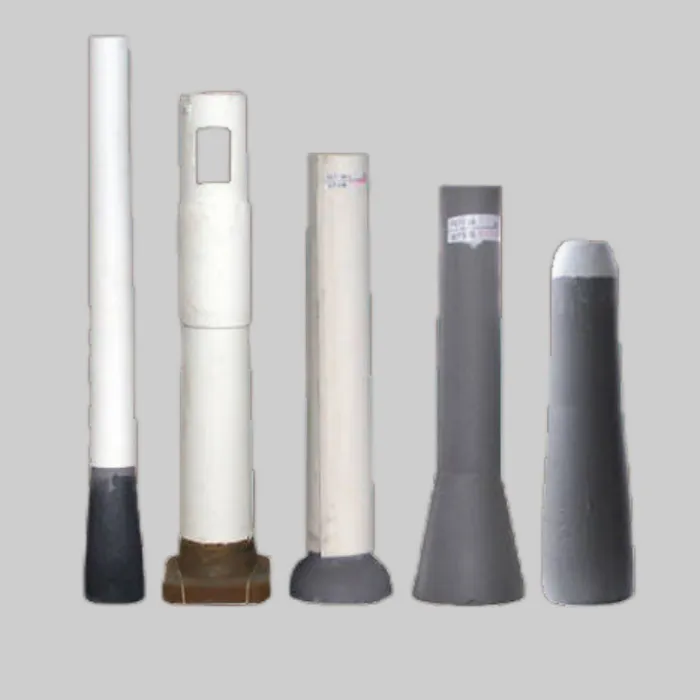
When comparing well blocks with other refractory products, such as Subentry Nozzle, the insulation property is one of the key differentiators. While subentry nozzles are mainly designed to control the flow of molten metal, well blocks focus more on insulation and temperature maintenance.
Subentry nozzles need to have good thermal shock resistance and erosion resistance to withstand the high - velocity flow of molten metal. However, they also benefit from some level of insulation to prevent heat loss and ensure a smooth flow of the molten metal. Well blocks, on the other hand, are primarily engineered to provide maximum insulation while still being able to withstand the high - temperature environment.
Improving the Insulation Property of Well Blocks
As a well block supplier, we are constantly looking for ways to improve the insulation property of our products. One approach is to explore new materials. Research is being conducted on advanced refractory materials that have even better heat - resistance and lower thermal conductivity than traditional materials. For example, some new ceramic materials are being developed that can offer enhanced insulation performance.
We also focus on optimizing the manufacturing process. By controlling the porosity and density of the well block during the production, we can fine - tune the insulation property. Advanced manufacturing techniques, such as precision molding and sintering, can help to create well blocks with a more uniform and controlled structure, which in turn improves the insulation performance.
Conclusion
In conclusion, the insulation property of well blocks is a vital characteristic that has a significant impact on industrial processes, especially in the steelmaking and foundry industries. A well - insulated well block can help to maintain the temperature of the molten metal, improve energy efficiency, protect surrounding equipment, and enhance the quality of castings.
As a well block supplier, I am committed to providing high - quality well blocks with excellent insulation properties. We use advanced testing methods to ensure the performance of our products, and we are constantly researching and developing new ways to improve the insulation property.
If you are in need of well blocks for your industrial applications, I encourage you to contact us for further discussion. We can provide you with detailed information about our products, including their insulation properties, and work with you to find the best solution for your specific needs. Let's start a conversation about how our well blocks can enhance the efficiency and productivity of your operations.
References
- ASTM International. Standard test methods for thermal conductivity of refractories. ASTM C201 - 19.
- Kriven, W. M., & Bradt, R. C. (2017). Introduction to Ceramics. Wiley.
- Smithells Metals Reference Book. Butterworth - Heinemann.