

As a supplier of SK34 firebricks, I often encounter inquiries from customers in the ceramic industry regarding the suitability of our SK34 firebricks for use in ceramic kilns. This blog post aims to provide a comprehensive analysis of whether SK34 firebricks can indeed be used in ceramic kilns, taking into account their properties, advantages, and potential limitations.
Understanding SK34 Firebricks
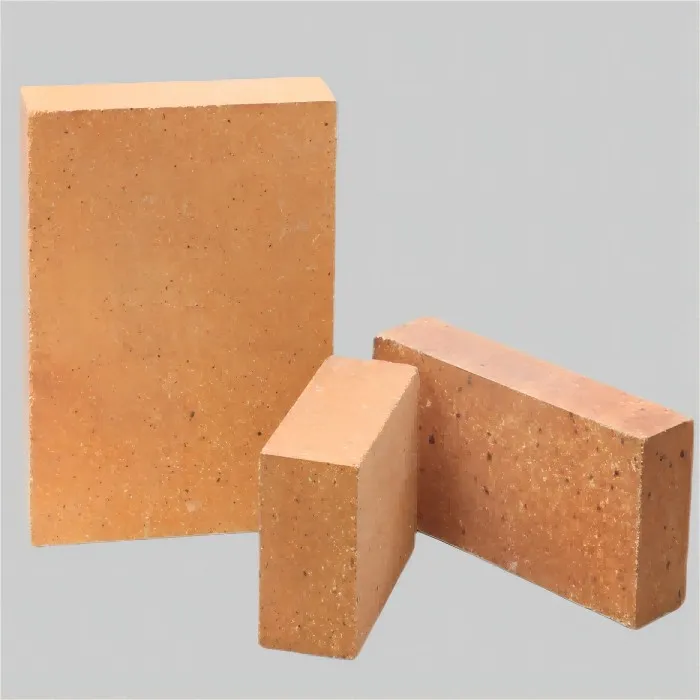
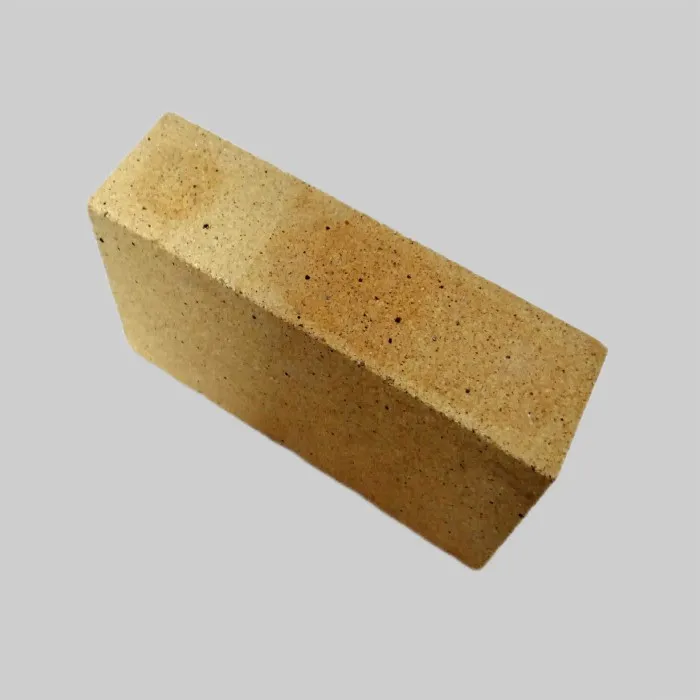
SK34 firebricks are a type of high - alumina refractory brick. High - alumina bricks are known for their excellent thermal properties, high refractoriness, and good mechanical strength at elevated temperatures. The "SK34" designation refers to a specific grade within the high - alumina brick category, with an alumina content typically around 48 - 55%.
These bricks are manufactured under strict quality control processes. They are fired at high temperatures to ensure proper crystallization and development of their physical and chemical properties. The production process involves carefully selecting high - quality raw materials, mixing them in the right proportions, and shaping them into bricks. Then, they go through a firing stage that can reach temperatures well above 1500°C, which gives them their characteristic high - temperature resistance.
Properties of SK34 Firebricks Relevant to Ceramic Kilns
Thermal Resistance
One of the most critical requirements for a material used in a ceramic kiln is its ability to withstand high temperatures. Ceramic firing processes can involve temperatures ranging from a few hundred degrees Celsius for low - fire ceramics to over 1300°C for high - fire porcelain. SK34 firebricks have a high refractoriness, with a softening point under load (SPUL) that is well above the typical operating temperatures of most ceramic kilns. This means that they can maintain their shape and structural integrity even when exposed to extreme heat for extended periods.
Thermal Conductivity
Proper heat management is essential in a ceramic kiln to ensure uniform firing of the ceramic pieces. SK34 firebricks have a relatively low thermal conductivity. This property allows them to act as an effective insulator, reducing heat loss from the kiln and helping to maintain a stable temperature inside the kiln chamber. As a result, less energy is required to reach and maintain the desired firing temperature, which can lead to significant cost savings over time.
Chemical Stability
Ceramic kilns may be exposed to various chemical substances during the firing process, such as glazes and volatile compounds released from the ceramics. SK34 firebricks are chemically stable and resistant to most of these substances. They do not react easily with the chemicals in the kiln environment, which helps to prevent corrosion and degradation of the bricks. This chemical stability ensures a long service life for the firebricks and also helps to maintain the quality of the fired ceramics by not introducing any unwanted contaminants.
Mechanical Strength
The firebricks in a ceramic kiln need to withstand mechanical stress during installation, operation, and handling. SK34 firebricks have good mechanical strength, both at room temperature and at high temperatures. They can support their own weight as well as the weight of any kiln furniture or ceramic pieces placed inside the kiln. This strength also allows them to resist cracking and spalling, which could otherwise lead to heat leakage and reduced kiln efficiency.
Advantages of Using SK34 Firebricks in Ceramic Kilns
Energy Efficiency
As mentioned earlier, the low thermal conductivity of SK34 firebricks helps in reducing heat loss from the kiln. This means that less fuel or electricity is needed to achieve and maintain the required firing temperature. For ceramic manufacturers, this translates into lower energy costs, which can have a significant impact on the overall production cost.
Long Service Life
The combination of high thermal resistance, chemical stability, and mechanical strength gives SK34 firebricks a long service life. They can withstand multiple firing cycles without significant degradation, which reduces the frequency of brick replacement. This not only saves on the cost of purchasing new bricks but also minimizes the downtime associated with kiln maintenance and repair.
Consistent Firing Results
The stable thermal properties of SK34 firebricks contribute to more consistent firing results. Since they help to maintain a uniform temperature inside the kiln, the ceramic pieces are more likely to be fired evenly, resulting in higher - quality products. This consistency is crucial for ceramic artists and manufacturers who rely on producing products with specific characteristics.
Potential Limitations
While SK34 firebricks offer many advantages for use in ceramic kilns, there are also a few potential limitations to consider.
Initial Cost
Compared to some lower - grade firebricks or alternative insulation materials, SK34 firebricks may have a higher initial cost. However, it's important to consider the long - term benefits, such as energy savings and reduced maintenance costs, which can offset the initial investment over time.
Specific Kiln Requirements
In some specialized ceramic kilns, such as those used for very high - precision or specialized firing processes, the requirements may be so strict that SK34 firebricks may not be the ideal choice. For example, some ultra - high - temperature kilns may require bricks with an even higher alumina content or more specialized properties. However, for the majority of common ceramic kilns, SK34 firebricks are more than adequate.
Real - World Applications
Many ceramic manufacturers and artists have successfully used SK34 firebricks in their kilns. For instance, small - scale pottery studios often rely on these bricks to build and maintain their kilns. The energy efficiency and long service life make them a cost - effective choice for these businesses. Larger ceramic factories also use SK34 firebricks in their production kilns, where the consistent firing results and reduced maintenance requirements contribute to increased productivity and product quality.
Conclusion
In conclusion, SK34 firebricks can be an excellent choice for use in ceramic kilns. Their high thermal resistance, low thermal conductivity, chemical stability, and mechanical strength make them well - suited to the demanding environment of a ceramic kiln. While there are some potential limitations, such as the initial cost and specific kiln requirements, the overall advantages far outweigh these drawbacks for most ceramic applications.
If you are in the market for high - quality firebricks for your ceramic kiln, I encourage you to consider our Sk34 Brick. We also offer a range of other related products, such as Ceramic Firebrick and Hot Blast Fire Brick, which may also meet your specific needs. Please feel free to contact us to discuss your requirements and start a procurement negotiation. We are committed to providing you with the best products and services to ensure the success of your ceramic firing operations.
References
- ASTM International standards for high - alumina refractory bricks.
- Technical literature from refractory material manufacturers.
- Industry reports on ceramic kiln technology and materials.