

As a supplier of refractory nozzles, I understand the critical role these components play in high - temperature industrial processes. One of the most significant challenges faced by refractory nozzles is thermal shock, which can lead to cracks, spalling, and ultimately, failure of the nozzle. In this blog, I will share some effective strategies to improve the thermal shock resistance of refractory nozzles.
Understanding Thermal Shock in Refractory Nozzles
Thermal shock occurs when a material is subjected to rapid temperature changes. In the case of refractory nozzles, they are exposed to extreme temperature variations during the steel - making or other high - temperature processes. For example, when molten metal is poured through the nozzle, the inner surface of the nozzle experiences a sudden increase in temperature, while the outer surface remains relatively cooler. This creates a large temperature gradient within the nozzle, resulting in thermal stresses. If these stresses exceed the strength of the refractory material, the nozzle will crack or spall.
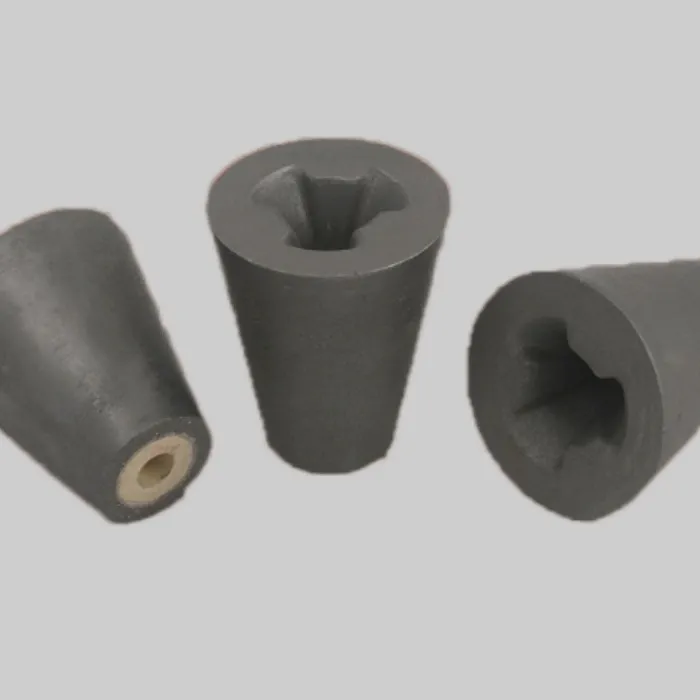
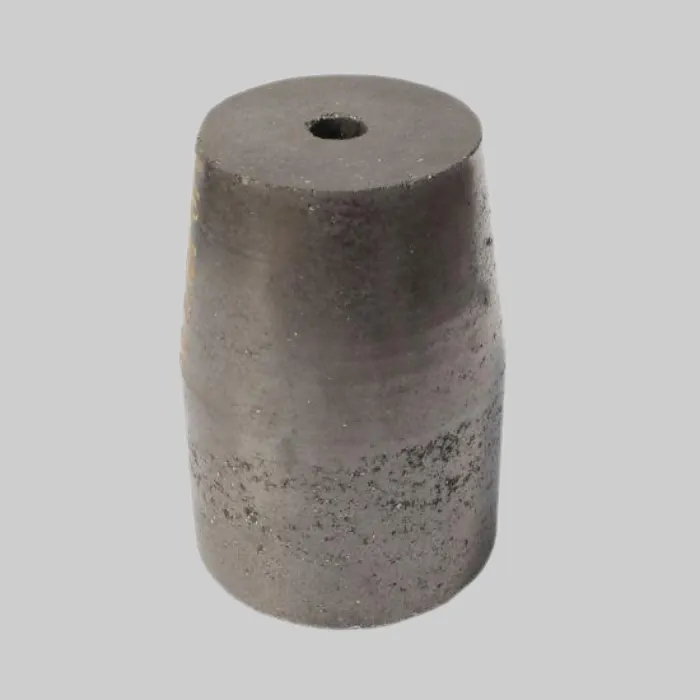
Selecting the Right Refractory Materials
The choice of refractory material is the first and most crucial step in improving thermal shock resistance. Different materials have different thermal expansion coefficients, thermal conductivities, and strengths, which directly affect their ability to withstand thermal shock.
- Low Thermal Expansion Materials: Materials with low thermal expansion coefficients, such as zirconia - based refractories, are excellent choices for refractory nozzles. When heated, these materials expand less, reducing the thermal stresses generated during temperature changes. For instance, Zirconium Sizing Nozzle made from zirconia - based materials can better resist thermal shock compared to some traditional refractories.
- High Thermal Conductivity Materials: Materials with high thermal conductivity can quickly transfer heat, reducing the temperature gradient within the nozzle. Graphite - containing refractories are known for their high thermal conductivity. By incorporating graphite into the refractory composition, the heat can be more evenly distributed, minimizing the thermal stresses caused by rapid temperature changes.
Optimizing the Microstructure of Refractory Materials
The microstructure of a refractory material also has a significant impact on its thermal shock resistance.
- Controlled Pore Structure: A well - controlled pore structure can improve the thermal shock resistance of refractory nozzles. Small, uniformly distributed pores can act as stress - relieving sites. When thermal stresses are generated, these pores can absorb and dissipate the energy, preventing the propagation of cracks. For example, by using advanced manufacturing techniques, we can create a refractory material with a fine - pore structure that enhances its ability to withstand thermal shock.
- Reinforcement Phases: Adding reinforcement phases, such as fibers or whiskers, to the refractory matrix can improve its mechanical properties and thermal shock resistance. These reinforcement phases can bridge cracks and prevent them from growing, enhancing the overall toughness of the material.
Designing the Nozzle Structure
The design of the refractory nozzle can also contribute to its thermal shock resistance.
- Thickness Optimization: The thickness of the nozzle wall is an important factor. A too - thick wall may result in a large temperature gradient during rapid heating or cooling, increasing the risk of thermal shock. On the other hand, a too - thin wall may not provide sufficient mechanical strength. Therefore, it is necessary to optimize the wall thickness based on the specific application and the thermal properties of the refractory material.
- Geometric Design: The geometric shape of the nozzle can also affect its thermal shock resistance. For example, a nozzle with a smooth inner surface and a well - designed transition zone can reduce the flow resistance of the molten metal and minimize the local temperature variations, thereby reducing the thermal stresses.
Improving the Manufacturing Process
The manufacturing process of the refractory nozzle can significantly affect its quality and thermal shock resistance.
- Sintering Process: The sintering process is crucial for densifying the refractory material and improving its mechanical properties. By optimizing the sintering temperature, time, and atmosphere, we can obtain a refractory material with a uniform microstructure and high density, which is beneficial for enhancing its thermal shock resistance.
- Quality Control: Strict quality control during the manufacturing process is essential. Any defects, such as inclusions, cracks, or uneven density, can reduce the thermal shock resistance of the nozzle. Therefore, we need to implement comprehensive quality control measures at every stage of the manufacturing process, from raw material selection to the final product inspection.
Pre - heating and Post - cooling Procedures
Proper pre - heating and post - cooling procedures can also help improve the thermal shock resistance of refractory nozzles.
- Pre - heating: Before using the refractory nozzle, it is necessary to pre - heat it gradually to a suitable temperature. This can reduce the temperature difference between the nozzle and the molten metal, minimizing the thermal shock during the initial pouring. The pre - heating rate should be carefully controlled to avoid generating excessive thermal stresses.
- Post - cooling: After the pouring process is completed, the nozzle should be cooled down slowly. Rapid cooling can cause large thermal stresses, leading to cracks and damage. By implementing a controlled post - cooling procedure, we can ensure the long - term performance of the refractory nozzle.
Case Studies
Let's take a look at some real - world examples of how these strategies have been applied to improve the thermal shock resistance of refractory nozzles.
In a steel - making plant, a refractory nozzle supplier replaced the traditional alumina - based nozzle with a Zirconium Sizing Nozzle. The zirconia - based material has a low thermal expansion coefficient, which significantly reduced the thermal stresses generated during the pouring of molten steel. As a result, the service life of the nozzle increased by more than 30%, and the frequency of nozzle replacement decreased, improving the overall production efficiency of the plant.
In another case, a supplier optimized the microstructure of the refractory material by adding graphite fibers. The graphite fibers enhanced the thermal conductivity and mechanical toughness of the material. The nozzles made from this improved material showed better resistance to thermal shock, with fewer cracks and spalling during the high - temperature processes.
Conclusion
Improving the thermal shock resistance of refractory nozzles is a complex but essential task. By selecting the right refractory materials, optimizing the microstructure, designing the nozzle structure, improving the manufacturing process, and implementing proper pre - heating and post - cooling procedures, we can significantly enhance the performance and service life of refractory nozzles.
As a refractory nozzle supplier, we are committed to providing high - quality products that can withstand the harsh conditions of high - temperature industrial processes. If you are interested in our refractory nozzles, including Refractory Ladle Nozzle and Tundish Nozzle, and want to discuss your specific requirements, please feel free to contact us for procurement and negotiation.
References
- Rao, K. P. (2008). Refractories for Steelmaking. Elsevier.
- Schneider, H., Schwotzer, W., & Telle, R. (2008). High - Temperature Materials and Technology. Wiley - VCH.
- Zhang, L., & Guo, Z. (2015). Advances in Refractory Materials for High - Temperature Applications. Springer.