

As a supplier of refractory nozzles, I've witnessed firsthand the significant role these products play in the steelmaking and other high - temperature industries. However, I'm also acutely aware of the environmental impact associated with their manufacturing. In this blog, I'll explore various strategies that can be employed to reduce this environmental footprint.
1. Raw Material Sourcing
The first step in reducing the environmental impact of refractory nozzle manufacturing is to focus on raw material sourcing. Many of the raw materials used in refractory nozzles, such as alumina, magnesia, and zirconia, are mined from the earth. Mining operations can have a substantial impact on the environment, including habitat destruction, soil erosion, and water pollution.
To mitigate these effects, we can prioritize sourcing raw materials from mines that adhere to strict environmental regulations. Look for suppliers who implement best - practice mining techniques, such as reclamation of mined areas. Additionally, recycled materials can be a great alternative. For example, some refractory materials can be reprocessed and reused in the manufacturing of new nozzles. This not only reduces the demand for virgin raw materials but also minimizes waste.
2. Energy Efficiency in Production
The manufacturing of refractory nozzles is an energy - intensive process. High - temperature firing and shaping operations consume large amounts of electricity and fuel. To reduce energy consumption, we can invest in energy - efficient equipment. For instance, modern kilns with advanced insulation materials can significantly reduce heat loss during the firing process.
We can also optimize production schedules to ensure that kilns and other equipment are operated at full capacity as much as possible. This reduces the amount of energy wasted on partial loads. Furthermore, the implementation of energy management systems can help monitor and control energy usage in real - time, allowing for immediate adjustments when inefficiencies are detected.
3. Waste Reduction and Recycling
Waste generation is a major environmental concern in refractory nozzle manufacturing. There are several types of waste produced, including scrap materials from the shaping process and used nozzles returned from customers. To address this issue, we can implement a comprehensive waste management system.
First, we can segregate different types of waste at the source. Scrap materials can often be recycled back into the production process. For example, small pieces of refractory material can be crushed and used as aggregates in new nozzle production.
For used nozzles, we can develop a collection and recycling program. Some used nozzles can be refurbished and reused, while others can be broken down and used as raw materials for new products. This not only reduces waste sent to landfills but also conserves resources.
4. Emission Control
The manufacturing process of refractory nozzles can generate various emissions, including particulate matter, sulfur dioxide, and nitrogen oxides. These emissions can have a negative impact on air quality and human health. To control emissions, we can install advanced air pollution control devices.
Baghouses and electrostatic precipitators can be used to capture particulate matter before it is released into the atmosphere. For gaseous emissions, scrubbers can be employed to remove sulfur dioxide and other harmful gases. Regular maintenance of these control devices is crucial to ensure their effectiveness.
5. Product Design for Sustainability
When designing refractory nozzles, we can consider environmental factors from the start. For example, designing nozzles with longer service lives can reduce the frequency of replacement, thus conserving resources. We can also optimize the shape and structure of nozzles to improve their performance, which may lead to reduced energy consumption in the end - use applications.
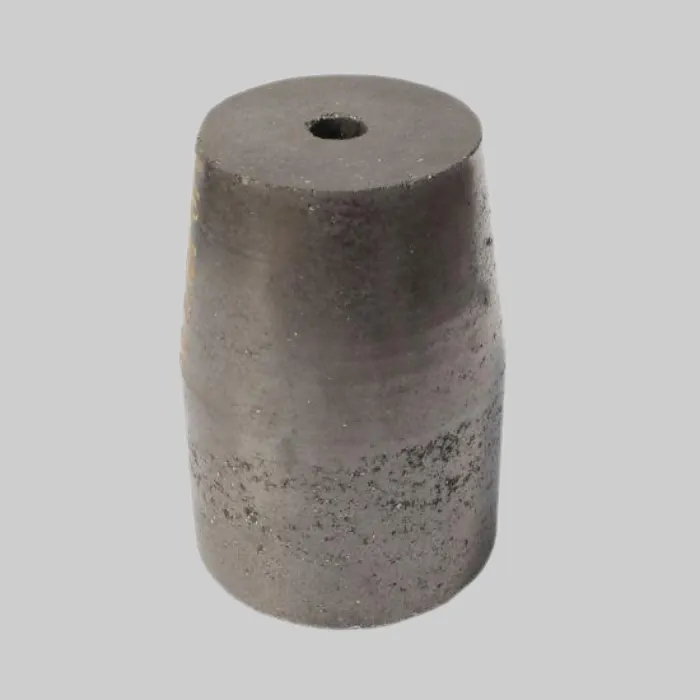
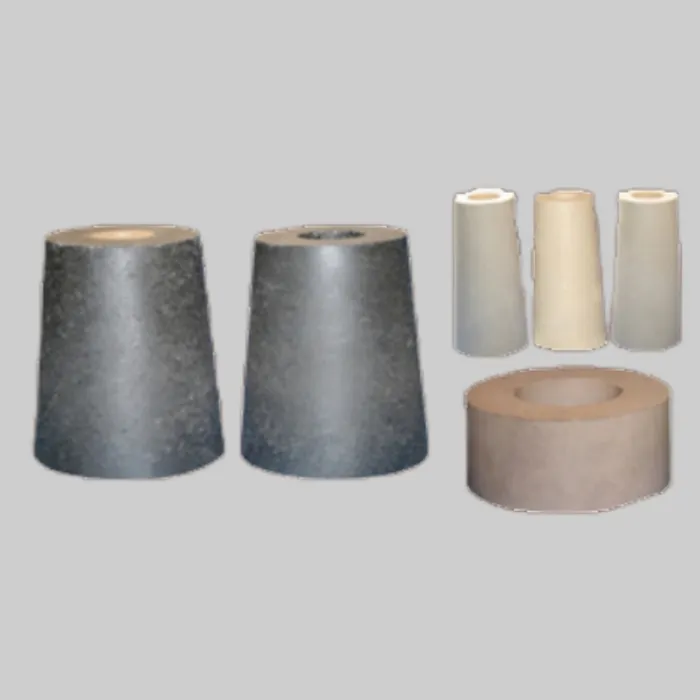
Moreover, we can explore the use of alternative materials that have a lower environmental impact. For example, Zirconium Sizing Nozzle can be designed to use more sustainable zirconium sources or to have a reduced carbon footprint during its production. Similarly, Refractory Ladle Nozzle and Tundish Nozzle designs can be optimized for better energy efficiency and longer service lives.
6. Supply Chain Collaboration
Collaboration with suppliers and customers is essential in reducing the environmental impact of refractory nozzle manufacturing. We can work with our raw material suppliers to encourage them to adopt more sustainable practices. This can include joint research and development projects to find more environmentally friendly raw materials or production methods.
On the customer side, we can provide education and support on the proper use and maintenance of refractory nozzles. This can help extend the service life of the nozzles and reduce waste. We can also collaborate with customers to develop recycling programs for used nozzles, ensuring that the waste is properly managed throughout the supply chain.
7. Life Cycle Assessment
Conducting a life cycle assessment (LCA) of our refractory nozzles can provide valuable insights into their environmental impact from raw material extraction to end - of - life disposal. An LCA takes into account all stages of a product's life, including production, transportation, use, and disposal.
By analyzing the results of an LCA, we can identify the stages with the highest environmental impact and focus our efforts on reducing it. For example, if transportation is found to be a significant contributor to the carbon footprint, we can explore options such as local sourcing of raw materials or more efficient logistics.
Conclusion
Reducing the environmental impact of refractory nozzle manufacturing is a complex but achievable goal. By focusing on raw material sourcing, energy efficiency, waste reduction, emission control, product design, supply chain collaboration, and life cycle assessment, we can make significant progress in minimizing our environmental footprint.
As a supplier, I'm committed to implementing these strategies and continuously improving our environmental performance. If you're interested in our refractory nozzles and want to learn more about our sustainable manufacturing practices, or if you have any questions regarding our products, please feel free to reach out to us for a procurement discussion. We're looking forward to working with you to achieve a more sustainable future in the high - temperature industries.
References
- "Sustainable Manufacturing: Concepts and Practices" by various authors
- Industry reports on refractory materials and manufacturing
- Environmental regulations and guidelines related to industrial manufacturing