

Hey there! As a supplier of CCM (Continuous Casting Machine) refractories, I've had the privilege of witnessing firsthand how these amazing materials play a crucial role in the continuous casting of billets. So, let's dive right in and explore how CCM refractories work in this process.
The Basics of Continuous Casting of Billets
First off, let's quickly go over what continuous casting of billets is all about. Continuous casting is a process that turns molten steel into semi-finished billets, blooms, or slabs. It's a super efficient way to produce large quantities of high - quality steel products. In this process, molten steel is poured from a ladle into a tundish, and then from the tundish, it flows through a nozzle into a water - cooled copper mold. As the steel passes through the mold, it starts to solidify, and the solidified billet is continuously withdrawn from the bottom of the mold.
The Role of CCM Refractories
CCM refractories are essential components in this continuous casting process. They are used to line the ladle, tundish, and the various nozzles that control the flow of molten steel. The main functions of these refractories are to withstand the extremely high temperatures of the molten steel, resist chemical attacks from the steel and its impurities, and provide a smooth and controlled flow path for the molten metal.
Ladle Shroud
One of the key CCM refractories is the Ladle Shroud. The ladle shroud is a tube - like refractory that connects the ladle to the tundish. Its main job is to protect the molten steel from oxidation and contamination as it flows from the ladle to the tundish. When molten steel is exposed to air, it can react with oxygen and nitrogen in the air, forming oxides and nitrides that can affect the quality of the final product. The ladle shroud creates a sealed environment, preventing this from happening.
The ladle shroud is made from high - quality refractory materials that can withstand the high temperatures of the molten steel, which can be around 1600°C. These materials are carefully selected to have excellent thermal shock resistance, so they don't crack when they come into contact with the hot steel. They also need to be resistant to erosion and corrosion, as the flowing molten steel can wear away the refractory over time.
Tundish Shroud
Next up is the Tundish Shroud. The tundish shroud is similar to the ladle shroud, but it connects the tundish to the mold. Its function is to control the flow of molten steel into the mold and to prevent air from entering the system. A proper flow control is crucial for ensuring a uniform solidification of the billet. If the flow is too fast, it can cause turbulence in the mold, leading to defects in the billet. If the flow is too slow, it can result in uneven cooling and solidification.
The tundish shroud is also designed to have a smooth inner surface to minimize friction and ensure a laminar flow of the molten steel. Like the ladle shroud, it is made from refractory materials that can withstand high temperatures and resist chemical attacks. Additionally, it needs to be precisely manufactured to ensure a proper fit and alignment, so that the molten steel flows evenly into the mold.
Sub - Entry Nozzle
The Sub - Entry Nozzle is another important CCM refractory. It is located at the bottom of the tundish and is responsible for delivering the molten steel into the mold. The sub - entry nozzle has a complex design that allows for the controlled distribution of the molten steel across the width of the mold. This is important for achieving a uniform thickness and quality of the billet.
The sub - entry nozzle needs to be made from materials that can withstand the high temperatures and pressures of the molten steel, as well as the mechanical stresses caused by the flowing metal. It also needs to be resistant to clogging, as any blockage in the nozzle can disrupt the casting process. To prevent clogging, some sub - entry nozzles are designed with special features, such as purging systems that inject inert gases to keep the nozzle clear.
How Refractories Are Made
Now, you might be wondering how these CCM refractories are made. Well, it's a complex process that involves several steps. First, the raw materials are carefully selected. These can include alumina, magnesia, silica, and other minerals. The raw materials are then crushed, ground, and mixed in the right proportions to form a refractory mixture.
This mixture is then shaped into the desired form, such as a tube for a shroud or a nozzle. There are different methods for shaping, including pressing, casting, and extrusion. After shaping, the refractories are dried to remove any moisture and then fired at high temperatures in a kiln. This firing process helps to strengthen the refractories and improve their properties, such as thermal shock resistance and chemical stability.
Quality Control and Maintenance
Quality control is a critical aspect of CCM refractories. As a supplier, we have strict quality control measures in place to ensure that our refractories meet the highest standards. We test the raw materials for their chemical composition, particle size distribution, and other properties. During the manufacturing process, we monitor the shaping, drying, and firing steps to ensure consistency.
Once the refractories are in use, proper maintenance is also essential. Operators need to regularly inspect the refractories for signs of wear, erosion, or damage. Any damaged refractories should be replaced immediately to prevent any disruptions in the casting process.
The Impact of CCM Refractories on Billet Quality
The performance of CCM refractories has a direct impact on the quality of the billets produced. High - quality refractories that can withstand the harsh conditions of the continuous casting process help to ensure a smooth and controlled flow of molten steel. This, in turn, leads to a more uniform solidification of the billet, reducing the occurrence of defects such as cracks, porosity, and inclusions.
For example, a well - designed ladle shroud that effectively prevents oxidation and contamination of the molten steel helps to produce billets with better chemical and mechanical properties. Similarly, a sub - entry nozzle that can evenly distribute the molten steel across the mold results in billets with a more consistent thickness and density.
Why Choose Our CCM Refractories
As a supplier of CCM refractories, we take pride in offering high - quality products that are designed to meet the specific needs of the continuous casting industry. Our refractories are made from the best raw materials and are manufactured using the latest technology and processes. We have a team of experts who are constantly working on improving our products and developing new solutions to meet the evolving challenges of the industry.
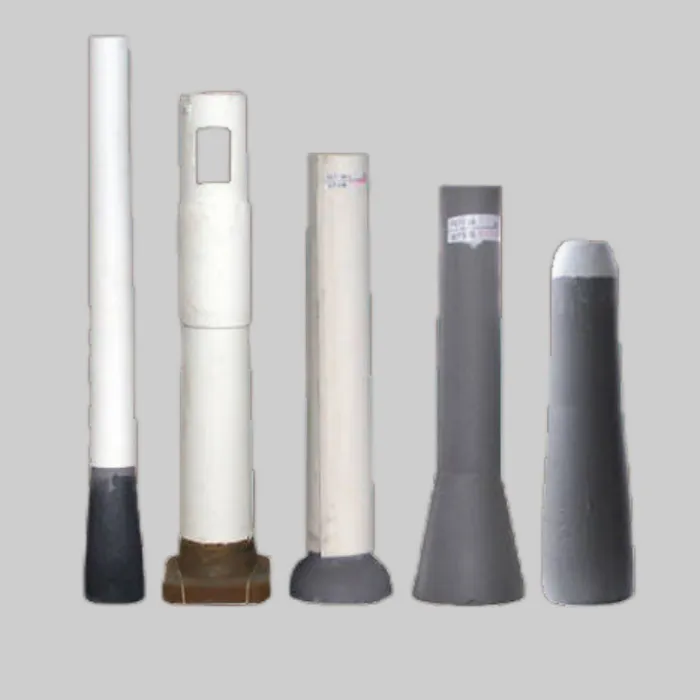
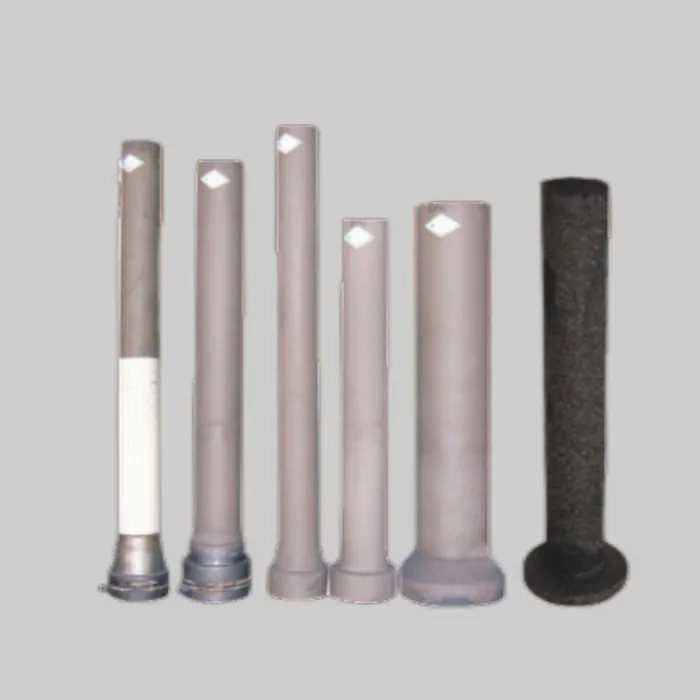
We also offer excellent customer service. We work closely with our customers to understand their requirements and provide them with the right refractories for their specific applications. Whether you need a standard ladle shroud or a custom - designed sub - entry nozzle, we can help.
Get in Touch for Procurement
If you're in the market for CCM refractories for your billet continuous casting operations, we'd love to hear from you. We can provide you with detailed information about our products, offer samples for testing, and work with you to come up with the best solution for your needs. Contact us today to start a conversation about your procurement requirements.
References
- "Continuous Casting of Steel" by John Campbell
- "Refractories Handbook" by Peter J. F. Harris