

In the realm of industrial applications, high - temperature bricks play a crucial role in various processes. One of the challenging environments where these bricks are often employed is a high - fluorine environment. As a high - temp bricks supplier, I have witnessed firsthand the performance and challenges of these bricks in such harsh conditions.
Understanding High - Fluorine Environments
High - fluorine environments are commonly found in industries such as aluminum smelting, glass manufacturing, and some chemical production processes. Fluorine compounds, like hydrogen fluoride (HF) and various metal fluorides, are present in these settings. These fluorine - containing substances are highly reactive and can cause significant damage to many materials, including high - temperature bricks.
Fluorine has a strong affinity for many elements commonly found in high - temp bricks, such as silicon, aluminum, and calcium. At high temperatures, the chemical reactions between fluorine and these elements can lead to the degradation of the brick structure. For example, silicon dioxide ($SiO_2$), a major component in many high - temp bricks, can react with hydrogen fluoride to form silicon tetrafluoride ($SiF_4$) gas and water. This reaction not only weakens the brick's structure but also creates voids and pores, reducing its mechanical strength and insulation properties.
Performance of Different Types of High - Temp Bricks in High - Fluorine Environments
Thin Firebrick
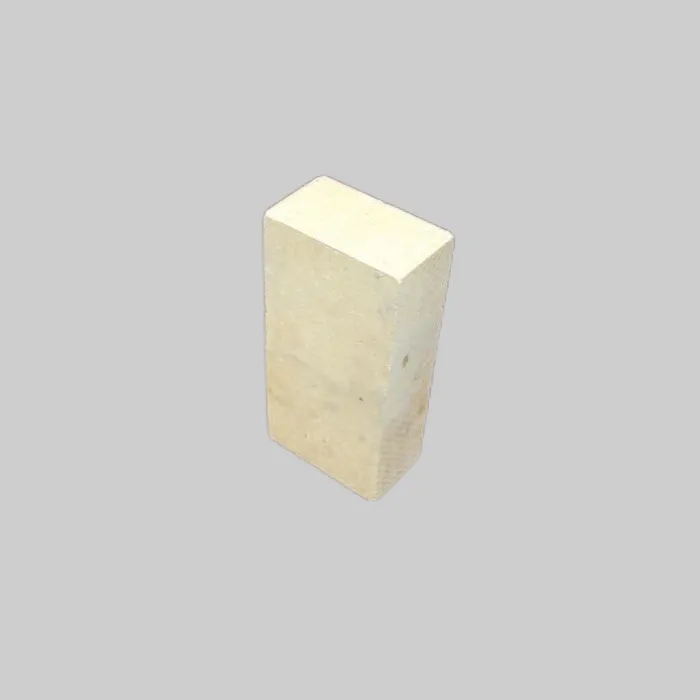
Thin firebricks, as the name suggests, are relatively thin compared to other types of high - temp bricks. You can learn more about them Thin Firebrick. These bricks are often used in applications where space is limited or where a high degree of thermal insulation is required in a relatively thin layer.
In a high - fluorine environment, thin firebricks face unique challenges. Their thin structure means that they have a larger surface - to - volume ratio, which exposes more of the brick material to the corrosive fluorine compounds. This can accelerate the chemical reactions and lead to more rapid degradation. However, if properly formulated and treated, thin firebricks can still offer reasonable performance. Some manufacturers incorporate special additives or coatings that can resist the attack of fluorine. For example, a zirconia - based coating can form a protective layer on the surface of the thin firebrick, preventing the direct contact of fluorine with the underlying brick material.
Alumina Silica Brick
Alumina silica bricks are a popular choice in high - temperature applications due to their good thermal stability and mechanical strength. You can find more details about them Alumina Silica Brick. These bricks are composed of a mixture of alumina ($Al_2O_3$) and silica ($SiO_2$), and the ratio of these two components can be adjusted to meet different application requirements.
In a high - fluorine environment, the performance of alumina silica bricks depends on their alumina content. Higher alumina content generally provides better resistance to fluorine attack. Alumina is more chemically stable than silica in the presence of fluorine. When the brick is exposed to fluorine, the silica component is more likely to react and be removed, while the alumina acts as a more stable backbone. However, even with a high alumina content, long - term exposure to high - fluorine environments can still cause some degradation. The formation of aluminum fluoride compounds can gradually erode the brick structure, especially at high temperatures where the reaction kinetics are faster.
Refractory Concrete Bricks
Refractory concrete bricks are made by mixing refractory aggregates, binders, and additives. They offer advantages such as ease of installation and the ability to be cast into various shapes. More information about them can be found Refractory Concrete Bricks.
In high - fluorine environments, refractory concrete bricks can be vulnerable to fluorine attack. The binders used in these bricks, which are often based on cement or other inorganic materials, can react with fluorine compounds. For example, calcium - based binders can react with fluorine to form calcium fluoride, which can cause cracking and spalling of the brick. However, by using special binders and aggregates that are more resistant to fluorine, the performance of refractory concrete bricks can be improved. Some advanced refractory concrete formulations incorporate fluorine - resistant aggregates, such as magnesia or chromite, which can enhance the overall resistance of the brick to fluorine corrosion.
Factors Affecting the Performance of High - Temp Bricks in High - Fluorine Environments
Temperature
Temperature plays a crucial role in the performance of high - temp bricks in high - fluorine environments. Higher temperatures generally accelerate the chemical reactions between the brick material and fluorine compounds. As the temperature increases, the diffusion rate of fluorine ions into the brick structure also increases, leading to more rapid degradation. For example, at temperatures above 1000°C, the reaction between silica and hydrogen fluoride becomes much more pronounced, and the formation of volatile silicon tetrafluoride gas is more likely to occur.
Fluorine Concentration
The concentration of fluorine in the environment also has a significant impact on the performance of high - temp bricks. Higher fluorine concentrations mean that there are more reactive species available to attack the brick material. In an environment with a high fluorine concentration, the degradation of the brick can be much faster compared to a low - fluorine environment. For example, in an aluminum smelting furnace where the fluorine concentration can be relatively high, the high - temp bricks need to have a higher level of resistance to fluorine corrosion.
Brick Composition and Microstructure
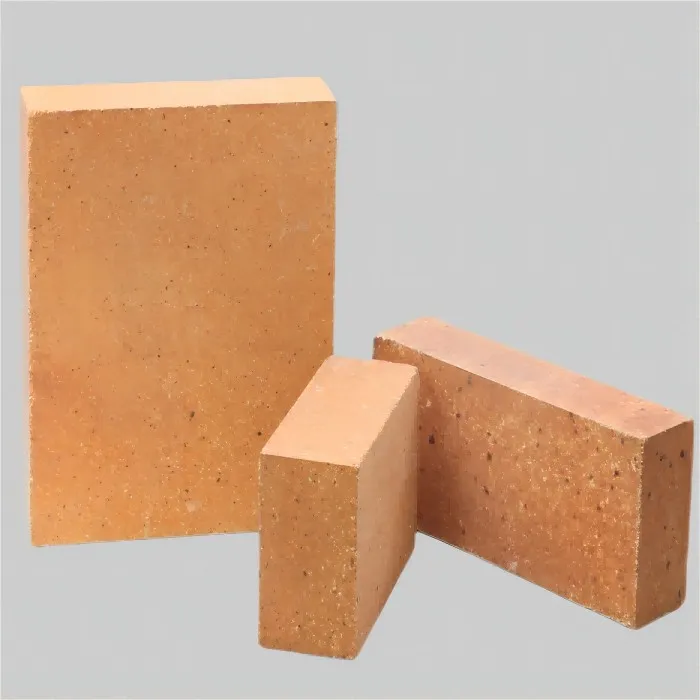
The composition and microstructure of the high - temp bricks are key factors in determining their performance in high - fluorine environments. As mentioned earlier, bricks with a higher alumina content or those containing special additives are generally more resistant to fluorine attack. The microstructure of the brick, such as the pore size and distribution, also affects its performance. Bricks with a fine - grained and dense microstructure are less likely to allow the penetration of fluorine ions compared to those with a coarse - grained and porous microstructure.
Strategies to Improve the Performance of High - Temp Bricks in High - Fluorine Environments
Material Selection
Choosing the right type of high - temp brick for a high - fluorine environment is crucial. Based on the specific requirements of the application, such as temperature, fluorine concentration, and mechanical stress, different types of bricks can be selected. For example, in applications where high thermal insulation is required in a high - fluorine environment, thin firebricks with a fluorine - resistant coating may be a good choice. In applications where high mechanical strength is needed, alumina silica bricks with a high alumina content can be considered.
Surface Treatment
Surface treatment is an effective way to improve the resistance of high - temp bricks to fluorine attack. Coatings can be applied to the surface of the bricks to form a protective layer. As mentioned earlier, zirconia - based coatings or other ceramic coatings can provide a barrier between the brick material and the fluorine compounds. These coatings can also be designed to have a low surface energy, which reduces the adhesion of fluorine - containing substances to the brick surface.
Monitoring and Maintenance
Regular monitoring of the high - temp bricks in a high - fluorine environment is essential. Non - destructive testing methods, such as ultrasonic testing and thermal imaging, can be used to detect any early signs of degradation. If any damage is detected, timely maintenance or replacement of the bricks can prevent further deterioration and ensure the safe and efficient operation of the equipment.
Conclusion
In conclusion, the performance of high - temp bricks in high - fluorine environments is a complex issue that is affected by many factors, including temperature, fluorine concentration, brick composition, and microstructure. Different types of high - temp bricks, such as thin firebricks, alumina silica bricks, and refractory concrete bricks, have different levels of resistance to fluorine attack. By understanding these factors and implementing appropriate strategies, such as material selection, surface treatment, and monitoring and maintenance, the performance of high - temp bricks in high - fluorine environments can be significantly improved.
As a high - temp bricks supplier, I am committed to providing high - quality products that can meet the challenges of high - fluorine environments. If you are in need of high - temp bricks for your high - fluorine application, I encourage you to contact me for a detailed discussion and to explore the best solutions for your specific needs.
References
- Zhang, X., & Wang, Y. (2018). Corrosion behavior of refractory materials in high - fluorine environments. Journal of Refractory Materials, 25(3), 123 - 130.
- Li, J., & Chen, S. (2019). Influence of temperature and fluorine concentration on the performance of high - temperature bricks. International Journal of Thermal Engineering, 32(2), 89 - 96.
- Wang, Z., & Liu, H. (2020). Strategies for improving the resistance of high - temp bricks to fluorine corrosion. Advances in Materials Science and Engineering, 2020, 1 - 10.