

Hey there! As a supplier of CCM (Continuous Casting Machine) refractories, I've seen firsthand how crucial these materials are in the continuous casting of non-ferrous metals. In this blog, I'll share with you how CCM refractories perform in this process and why they're so important.
First off, let's talk about what non-ferrous metals are. Non-ferrous metals are metals that don't contain iron, like aluminum, copper, and magnesium. Continuous casting is a process where molten metal is continuously poured into a mold and then cooled to form a solid shape. This process is widely used in the manufacturing of non-ferrous metals because it's efficient and can produce high-quality products.
So, how do CCM refractories fit into this picture? Well, refractories are materials that can withstand high temperatures and harsh chemical environments. In the continuous casting of non-ferrous metals, CCM refractories are used to line the ladles, tundishes, and nozzles that transport the molten metal from the furnace to the mold. These refractories play a vital role in ensuring the smooth and efficient operation of the continuous casting process.
One of the key performance aspects of CCM refractories in non-ferrous metal casting is their thermal resistance. Non-ferrous metals are typically melted at high temperatures, and the refractories need to be able to withstand these temperatures without deforming or breaking down. For example, aluminum is usually melted at around 660°C, while copper can be melted at temperatures up to 1085°C. CCM refractories are designed to have high melting points and excellent thermal stability, which allows them to maintain their structural integrity even under extreme heat.
Another important performance factor is the refractories' resistance to chemical corrosion. Non-ferrous metals often contain various alloys and impurities that can react with the refractories and cause corrosion. This can lead to the degradation of the refractories over time, which can affect the quality of the cast metal and the efficiency of the casting process. CCM refractories are made from materials that are resistant to chemical attack, such as alumina, zirconia, and magnesia. These materials form a protective layer on the surface of the refractories, which helps to prevent corrosion and extend their service life.
In addition to thermal and chemical resistance, CCM refractories also need to have good mechanical strength. During the continuous casting process, the refractories are subjected to mechanical stresses, such as vibration, impact, and pressure. If the refractories are not strong enough, they can crack or break, which can cause leaks and other problems in the casting system. CCM refractories are designed to have high mechanical strength and toughness, which allows them to withstand these stresses without failing.
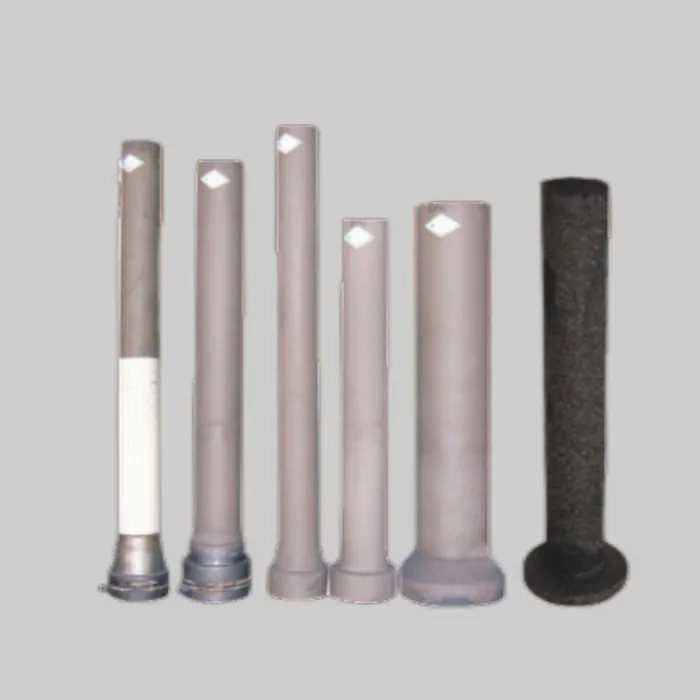
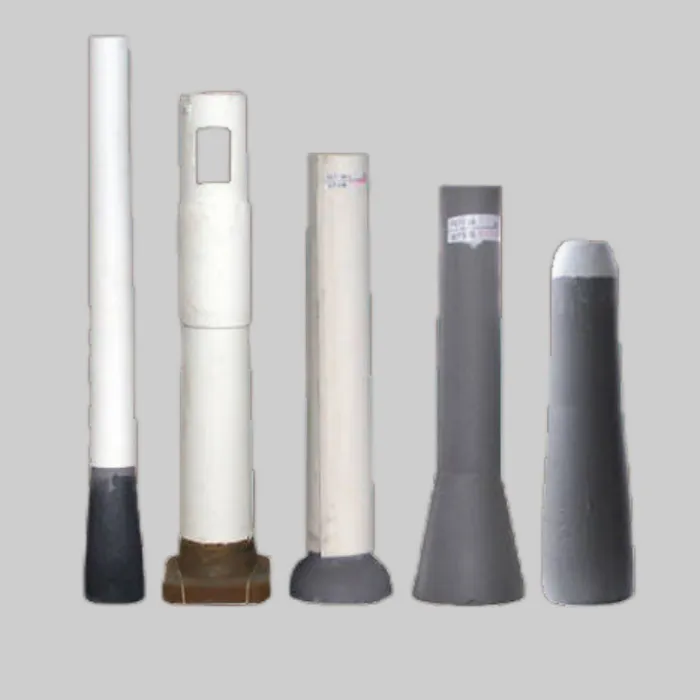
Now, let's take a closer look at some of the specific CCM refractories used in the continuous casting of non-ferrous metals. One of the most important refractories is the Ladle Shroud. The ladle shroud is a tube-like structure that connects the ladle to the tundish and is used to control the flow of molten metal. It needs to have good thermal insulation properties to prevent heat loss and also be resistant to erosion and corrosion. The Ladle Shroud is typically made from high-alumina or zirconia-based materials, which provide excellent thermal and chemical resistance.
Another important refractory is the Sub Entry Nozzle. The sub entry nozzle is located at the bottom of the tundish and is used to control the flow of molten metal into the mold. It needs to have a precise shape and size to ensure accurate pouring and also be resistant to clogging and erosion. The Sub Entry Nozzle is usually made from materials such as graphite, alumina, and zirconia, which have good thermal conductivity and mechanical strength.
The Tundish Shroud is also an essential refractory in the continuous casting process. It is used to protect the molten metal in the tundish from oxidation and contamination and to control the flow of metal into the mold. The Tundish Shroud is typically made from materials that have good thermal insulation and chemical resistance, such as alumina and magnesia.
So, why should you choose our CCM refractories for your non-ferrous metal casting needs? Well, we've been in the business for years, and we've developed a reputation for providing high-quality refractories that meet the needs of our customers. Our refractories are made from the best materials and are manufactured using the latest technology and processes. We also offer a wide range of CCM refractories, including ladle shrouds, sub entry nozzles, and tundish shrouds, so you can find the right product for your specific application.
In addition to our high-quality products, we also provide excellent customer service. Our team of experts is always available to answer your questions and provide you with technical support. We can also help you with the selection and installation of our refractories to ensure that they perform at their best in your continuous casting process.
If you're interested in learning more about our CCM refractories or if you have any questions about the continuous casting of non-ferrous metals, please don't hesitate to contact us. We'd love to have a chat with you and discuss how we can help you improve the efficiency and quality of your casting process. Whether you're a small-scale manufacturer or a large industrial company, we have the products and expertise to meet your needs. So, get in touch with us today and let's start working together to achieve your casting goals.
References:
- "Handbook of Refractory Technology" by P. C. Patnaik
- "Continuous Casting of Non-Ferrous Metals" by R. S. Mishra
- "Refractories for the Steel Industry" by J. F. Elliott