

In the industrial realm, high - temperature bricks, often referred to as refractory bricks, play a pivotal role in various high - heat applications. One particular environment that presents unique challenges and opportunities is the high - hydrogen environment. As a supplier of high - temp bricks, I have witnessed firsthand the importance of understanding how these bricks perform under such conditions.
The Basics of High - Temperature Bricks
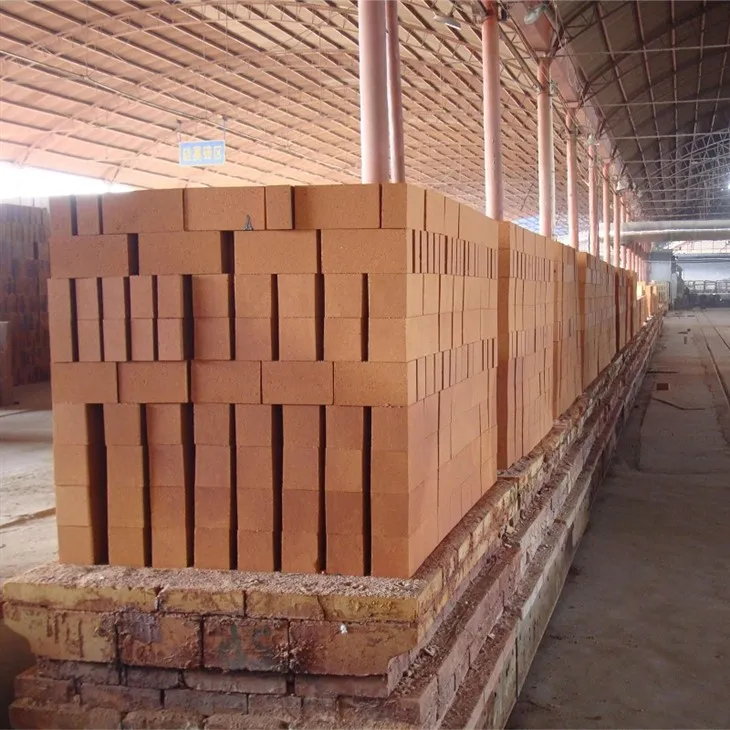
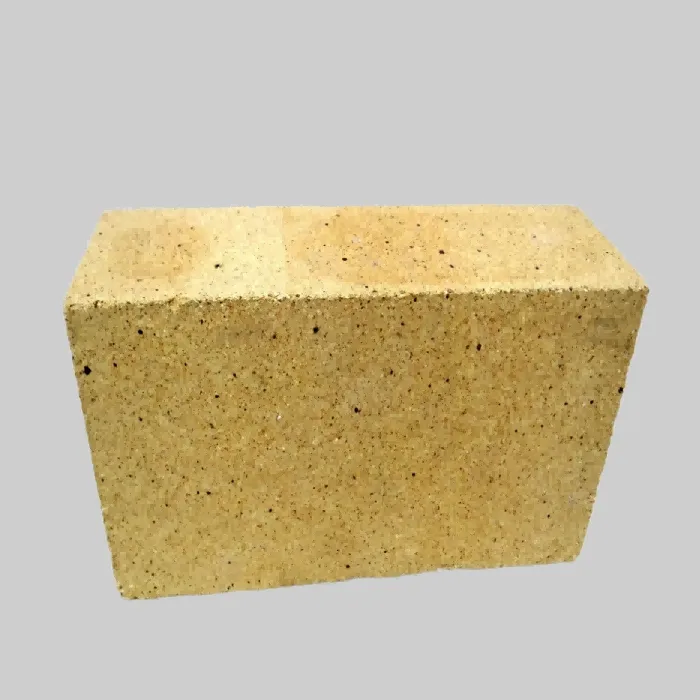
High - temperature bricks are engineered to withstand extreme heat, typically used in furnaces, kilns, and other high - heat industrial processes. They are made from materials such as alumina, fire clay, and magnesia, which have high melting points and excellent thermal insulation properties. These bricks come in various shapes and sizes to meet different industrial needs. For instance, the 9 X 4.5 X 1.25 Firebrick is a common size used in many applications, providing a standardized and reliable building block for high - heat structures.
High - Hydrogen Environment: Characteristics and Challenges
A high - hydrogen environment is characterized by the presence of a significant amount of hydrogen gas. Hydrogen is a highly reactive element, and at high temperatures, it can cause a series of chemical and physical changes in materials. In an industrial setting, high - hydrogen environments are often found in processes such as hydrogenation, fuel cell manufacturing, and some metal - refining operations.
One of the main challenges of a high - hydrogen environment is hydrogen embrittlement. Hydrogen atoms can penetrate the crystal lattice of metals and ceramics, causing them to become brittle and more prone to cracking. For high - temperature bricks, this can lead to a reduction in their mechanical strength and durability, potentially compromising the integrity of the high - heat structure.
Another challenge is the potential for chemical reactions between hydrogen and the components of the high - temperature bricks. Some brick materials may react with hydrogen at high temperatures, leading to the formation of new compounds or the degradation of the original material. This can affect the thermal insulation properties and the overall performance of the bricks.
Performance of High - Temperature Bricks in a High - Hydrogen Environment
Physical Performance
The physical performance of high - temperature bricks in a high - hydrogen environment is closely related to their porosity and density. Bricks with a low porosity are generally more resistant to hydrogen penetration. Hydrogen atoms can easily diffuse through the pores of a brick, and a high - porosity brick may allow more hydrogen to enter, increasing the risk of hydrogen embrittlement and chemical reactions.
Our Fire Kiln Bricks are designed with a controlled porosity to minimize hydrogen penetration. By carefully selecting the raw materials and the manufacturing process, we can produce bricks with a dense structure that provides better resistance to hydrogen attack.
In terms of mechanical strength, high - temperature bricks need to maintain their structural integrity in a high - hydrogen environment. Hydrogen embrittlement can reduce the strength of the bricks, but proper material selection and heat treatment can help mitigate this effect. For example, bricks made from high - alumina materials are often more resistant to hydrogen embrittlement than those made from other materials. Alumina has a stable crystal structure that can better withstand the penetration of hydrogen atoms.
Chemical Performance
Chemically, high - temperature bricks need to be stable in a high - hydrogen environment. Some brick materials may react with hydrogen to form hydrides or other compounds. For example, certain metal oxides in the bricks may be reduced by hydrogen at high temperatures, leading to a change in the chemical composition of the bricks.
To ensure chemical stability, we use carefully formulated brick compositions that are resistant to hydrogen - induced chemical reactions. Our Fire Clay Block is made from high - quality fire clay, which has a relatively stable chemical structure and is less likely to react with hydrogen at high temperatures. Additionally, we add specific additives to the bricks to enhance their chemical resistance and prevent the formation of unwanted compounds.
Thermal Performance
The thermal performance of high - temperature bricks is crucial in a high - heat environment. Hydrogen has a high thermal conductivity, which means that it can transfer heat more efficiently than air. In a high - hydrogen environment, the bricks need to maintain their thermal insulation properties to prevent heat loss and ensure the efficiency of the high - heat process.
Our high - temperature bricks are designed with excellent thermal insulation properties. The materials used in the bricks have low thermal conductivity, which helps to reduce heat transfer through the bricks. Additionally, the structure of the bricks, such as their shape and the way they are stacked, can also affect their thermal performance. We use advanced design techniques to optimize the thermal insulation properties of our bricks, ensuring that they can effectively maintain the high - heat environment in a high - hydrogen setting.
Testing and Quality Assurance
To ensure the performance of our high - temperature bricks in a high - hydrogen environment, we conduct a series of rigorous tests. These tests include hydrogen - exposure tests, where the bricks are exposed to a high - hydrogen environment at different temperatures and pressures for a specified period of time. After the exposure, we measure the mechanical strength, porosity, and chemical composition of the bricks to evaluate their performance.
We also use advanced analytical techniques, such as X - ray diffraction and scanning electron microscopy, to analyze the microstructure and chemical composition of the bricks before and after the hydrogen - exposure tests. This allows us to identify any changes in the bricks and to make adjustments to the manufacturing process if necessary.
Applications in High - Hydrogen Environments
Our high - temperature bricks have been successfully used in a variety of applications in high - hydrogen environments. In the fuel cell manufacturing industry, our bricks are used to line the high - heat chambers where the fuel cells are assembled. The excellent thermal insulation properties and the chemical stability of our bricks help to maintain the high - temperature and high - hydrogen environment required for the manufacturing process, ensuring the quality and performance of the fuel cells.
In metal - refining operations, our high - temperature bricks are used in the furnaces where hydrogen is used as a reducing agent. The bricks can withstand the high - temperature and high - hydrogen environment, providing a stable and reliable structure for the refining process.
Conclusion
In conclusion, the performance of high - temperature bricks in a high - hydrogen environment is a complex issue that involves physical, chemical, and thermal aspects. As a supplier of high - temperature bricks, we are committed to providing high - quality products that can meet the challenges of a high - hydrogen environment. Through careful material selection, advanced manufacturing processes, and rigorous testing, we ensure that our bricks have excellent performance in terms of mechanical strength, chemical stability, and thermal insulation.
If you are in need of high - temperature bricks for your high - hydrogen environment applications, we invite you to contact us for further discussion. Our team of experts is ready to provide you with customized solutions and technical support to meet your specific requirements.
References
- "Refractories Handbook" by J. A. Pask and A. E. Clark
- "Hydrogen Effects in Materials" by A. W. Thompson and I. M. Bernstein
- Research papers on high - temperature materials in high - hydrogen environments from scientific journals such as "Journal of the American Ceramic Society" and "Materials Science and Engineering: A"