
Hey there! As a supplier of tundish nozzles, I've spent a good deal of time thinking about the relationship between tundish nozzles and the casting mold. It's a topic that's not only super important in the steel - making process but also has a direct impact on the quality of the final product. So, let's dive right in and explore this relationship together.
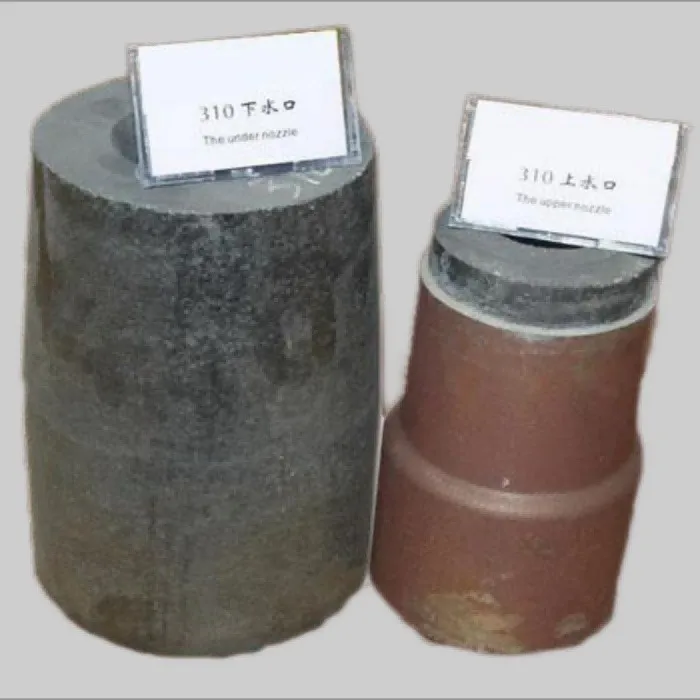
First off, let's talk about what a tundish nozzle is. A tundish nozzle is a crucial component in the continuous casting process. It's basically a refractory tube that connects the tundish (a container that holds molten steel) to the casting mold. You can learn more about it on this Tundish Nozzle page. The main job of the tundish nozzle is to control the flow of molten steel from the tundish into the casting mold. It ensures that the steel is delivered at a consistent rate and in a controlled manner.
Now, let's shift our focus to the casting mold. The casting mold is where the magic happens. It's a shaped cavity where the molten steel is poured and then solidifies into the desired shape, like slabs, billets, or blooms. The quality of the casting mold, its design, and its material all play a huge role in determining the quality of the final steel product.
So, what's the relationship between these two? Well, it's all about balance and precision. The tundish nozzle needs to work in harmony with the casting mold to achieve the best results.
One of the key aspects of this relationship is the flow rate. The tundish nozzle has to be carefully designed to control the flow of molten steel into the casting mold. If the flow rate is too high, it can cause problems like splashing and uneven filling of the mold. This can lead to defects in the final product, such as surface cracks or internal porosity. On the other hand, if the flow rate is too low, the steel might start to solidify in the nozzle or not fill the mold completely, resulting in incomplete castings.
Another important factor is the shape and size of the tundish nozzle. Different casting molds require different flow patterns. For example, some molds might need a more focused, narrow stream of molten steel, while others might need a wider, more dispersed flow. The shape of the tundish nozzle, whether it's straight, tapered, or has a special design, can significantly affect the flow pattern. A well - designed nozzle can ensure that the steel fills the mold evenly, reducing the chances of defects.
The material of the tundish nozzle also matters a great deal. Since it comes into direct contact with the extremely hot molten steel, it needs to be made of a refractory material that can withstand high temperatures without deforming or reacting with the steel. A good quality tundish nozzle, like the Refractory Ladle Nozzle, can maintain its integrity during the casting process, which is essential for a smooth and efficient operation.
Moreover, the cleanliness of the tundish nozzle is closely related to the quality of the casting in the mold. If the nozzle is clogged with impurities or has build - up on its inner surface, it can disrupt the flow of molten steel. This can lead to inconsistent filling of the mold and ultimately affect the quality of the final product. Regular maintenance and proper cleaning of the tundish nozzle are necessary to ensure its optimal performance.
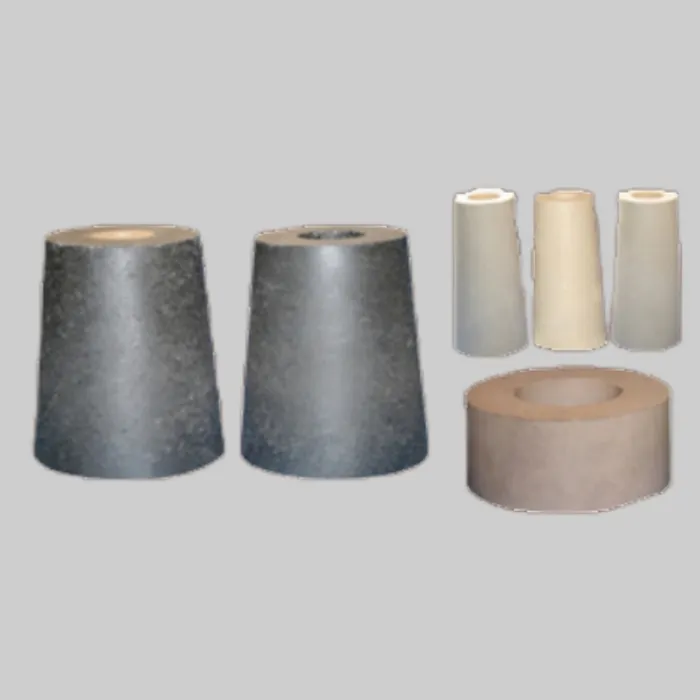
Let's also talk about the zirconium sizing nozzle. Zirconium Sizing Nozzle is a type of tundish nozzle that offers some unique advantages. Zirconium has excellent refractory properties, which means it can handle high - temperature molten steel very well. It also has good wear resistance, which is important as the nozzle is constantly exposed to the flowing steel. Using a zirconium sizing nozzle can help in achieving a more precise flow control, which is beneficial for the casting mold and the final product quality.
In addition to the technical aspects, the relationship between the tundish nozzle and the casting mold also has an impact on the overall efficiency of the casting process. A well - matched tundish nozzle and casting mold can reduce the number of rejects and rework, saving time and money. It can also increase the productivity of the casting line, as the process can run more smoothly and continuously.
Now, if you're in the business of steel casting, you know how critical it is to have high - quality tundish nozzles. As a supplier, I understand the importance of providing products that meet your specific needs. Whether you're looking for a standard tundish nozzle or a specialized zirconium sizing nozzle, I've got you covered.
I'm always here to have a chat about your requirements. If you're interested in learning more about our products or want to discuss how they can work best with your casting molds, don't hesitate to reach out. We can have a detailed discussion about the flow rates, shapes, and materials that would be most suitable for your particular casting process.
In conclusion, the relationship between the tundish nozzle and the casting mold is a complex but vital one. It's all about ensuring that the molten steel is delivered to the mold in the right way, at the right time, and in the right quantity. By choosing the right tundish nozzle and maintaining a good relationship between the two components, you can improve the quality of your steel products and the efficiency of your casting process. So, let's work together to make your casting operations even better!
References
- "Continuous Casting of Steel" by John Doe
- "Refractory Materials in Steelmaking" by Jane Smith