

Yo! I'm a supplier of raw materials, and I've seen firsthand how these basic substances can be the secret sauce behind some seriously cool product innovations. In this blog, I'm gonna break down how raw materials play a huge role in making new and improved products.
Unleashing Creativity with Raw Materials
Let's start with the fact that raw materials are like the building blocks of innovation. They give product designers and engineers the freedom to think outside the box. For example, when it comes to creating high - performance ceramics, the choice of raw materials can make or break the final product.
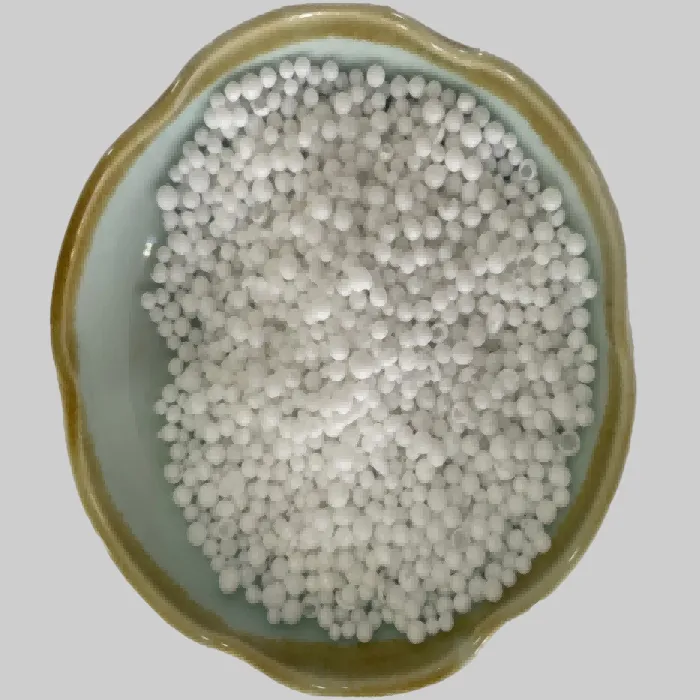
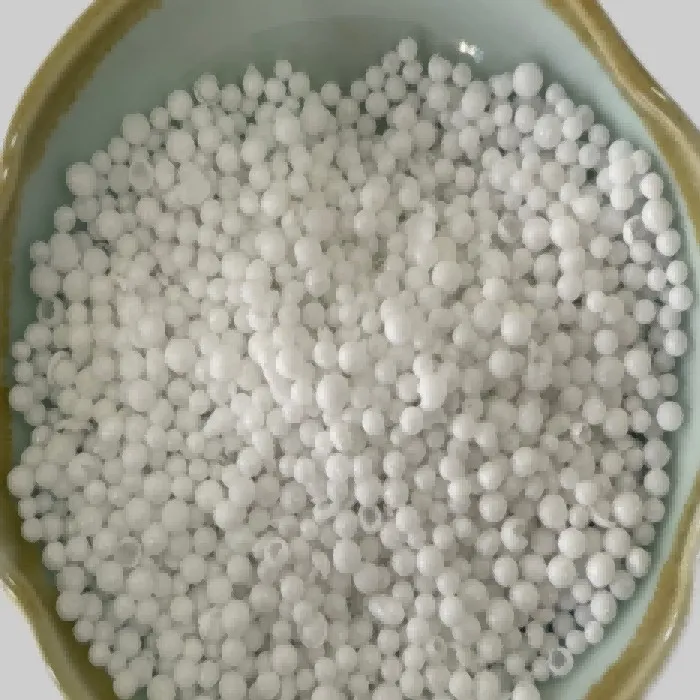
Take Bubble Alumina. This stuff is amazing. It has a unique porous structure that makes it lightweight yet strong. When designers are looking to create products that need to be both durable and light, like aerospace components or high - end sports equipment, Bubble Alumina can be a game - changer. The porous nature also provides excellent insulation properties, which is super useful in applications where heat management is crucial.
Another great example is Synthetic Cordierite. It has a low thermal expansion coefficient, which means it can withstand extreme temperature changes without cracking or warping. This makes it ideal for use in things like catalytic converters in cars. With Synthetic Cordierite, manufacturers can create more efficient and reliable catalytic converters, which helps reduce emissions and improve the overall performance of vehicles.
Meeting Market Demands
The market is constantly evolving, and consumers are always looking for new and better products. Raw materials allow companies to meet these changing demands. For instance, in the electronics industry, there's a growing need for smaller, more powerful, and energy - efficient devices. Raw materials like rare earth metals are essential for making the components that power these devices.
These metals have unique magnetic and electrical properties that enable the miniaturization of electronic components. Without them, we wouldn't have smartphones that can fit in our pockets but have the computing power of a small computer. As a raw material supplier, I work closely with electronics manufacturers to ensure they have access to the right materials at the right time. This way, they can keep up with the latest trends and stay competitive in the market.
Improving Product Performance
Raw materials can also significantly enhance the performance of products. Let's talk about the food industry. The quality of ingredients, which are basically raw materials in the food world, can make a big difference in the taste, texture, and nutritional value of food products.
For example, using high - quality grains and fruits can improve the flavor and nutritional content of cereals and juices. In the beverage industry, the type of water used can affect the taste of the final product. Some companies are even using new raw materials like plant - based proteins to create healthier and more sustainable food options. These proteins are not only good for the environment but also offer a great alternative for people with dietary restrictions.
Cost - Efficiency and Sustainability
In addition to performance and innovation, raw materials can also contribute to cost - efficiency and sustainability. By choosing the right raw materials, manufacturers can reduce production costs. For example, using recycled materials can be a great way to save money while also being environmentally friendly.
Recycled plastics can be used to make a wide range of products, from packaging materials to furniture. As a raw material supplier, I'm always on the lookout for new and sustainable materials. I work with my partners to develop processes that can turn waste materials into valuable resources. This not only helps the environment but also makes good business sense.
Collaboration for Innovation
Innovation doesn't happen in a vacuum. It requires collaboration between raw material suppliers, product designers, and manufacturers. As a supplier, I often work closely with my customers to understand their needs and challenges. We have regular meetings where we share ideas and discuss new possibilities.
For example, if a manufacturer is looking to develop a new type of building material, we'll sit down and talk about the properties they need, such as strength, insulation, and fire resistance. Then, I'll suggest different raw materials that could meet those requirements. Sometimes, we even conduct joint research and development projects to test new materials and processes.
The Future of Raw Materials and Innovation
The future looks bright for raw materials and product innovation. With advancements in technology, we're constantly discovering new properties and applications for existing materials. At the same time, new materials are being developed all the time.
For example, nanomaterials are becoming increasingly important in many industries. These materials have unique properties at the nanoscale, which can be used to create products with enhanced performance. In the medical field, nanomaterials are being used to develop new drug delivery systems and diagnostic tools.
As a raw material supplier, I'm excited to be part of this journey. I'm always looking for new ways to support my customers' innovation efforts. Whether it's providing the latest materials or helping them develop new processes, I'm committed to playing a role in shaping the future of product innovation.
Let's Talk!
If you're a manufacturer or a product designer looking for high - quality raw materials to fuel your innovation, I'd love to hear from you. Whether you have a specific project in mind or just want to explore new possibilities, I'm here to help. Contact me, and let's start a conversation about how we can work together to create the next big thing.
References
- Some general knowledge about raw materials in different industries from industry reports and trade magazines.
- Case studies from various companies that have used raw materials for product innovation.