

Wear resistance is a critical property when it comes to refractory nozzles. As a supplier of refractory nozzles, I've witnessed firsthand the importance of this characteristic in various industrial applications. In this blog, I'll delve into what wear resistance means for refractory nozzles, why it matters, and how we, as a supplier, ensure our products meet the highest standards of wear resistance.
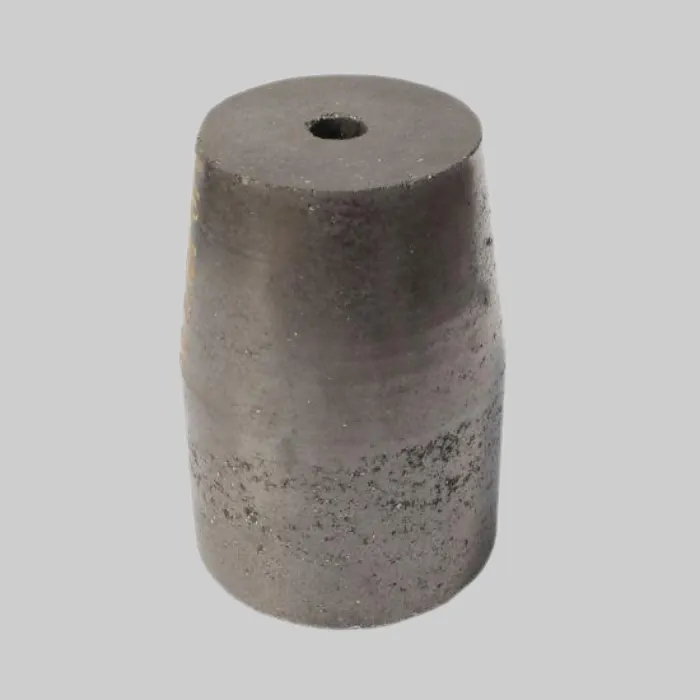
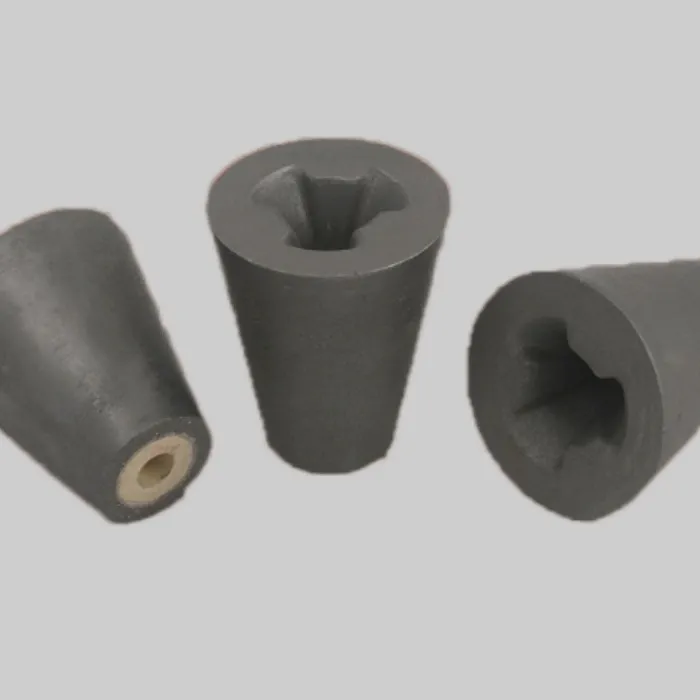
Understanding Wear Resistance in Refractory Nozzles
Wear resistance refers to the ability of a material to withstand the effects of abrasion, erosion, and corrosion over time. In the context of refractory nozzles, these nozzles are exposed to extremely harsh conditions. They are used in high - temperature environments, often in the steelmaking and metallurgical industries, where they come into contact with molten metals, slag, and high - velocity gas flows.
Abrasion occurs when solid particles in the molten metal or slag rub against the inner surface of the nozzle. This can gradually wear away the material, reducing the nozzle's diameter and affecting the flow rate and quality of the molten metal. Erosion, on the other hand, is caused by the high - velocity flow of molten metal or gas through the nozzle. The force of the flowing substances can chip away at the nozzle material. Corrosion is another significant factor, as the chemical composition of the molten metal and slag can react with the nozzle material, causing it to degrade.
Why Wear Resistance is Crucial
The wear resistance of refractory nozzles has a direct impact on the efficiency and cost - effectiveness of industrial processes. In steelmaking, for example, a nozzle with poor wear resistance may need to be replaced frequently. This not only leads to downtime in the production process but also increases the overall cost of production due to the need for more replacement parts and labor.
Moreover, a worn - out nozzle can affect the quality of the final product. If the flow rate of the molten metal is not consistent due to nozzle wear, it can lead to uneven casting and defects in the steel products. In some cases, a severely worn nozzle can even cause blockages, which can be extremely dangerous and lead to production disruptions.
Factors Affecting Wear Resistance
Several factors influence the wear resistance of refractory nozzles. The first is the material composition. Different materials have different levels of resistance to abrasion, erosion, and corrosion. For instance, zirconium - based materials are known for their excellent wear resistance. Zirconium Sizing Nozzle is a prime example of a product that utilizes zirconium to enhance wear resistance. Zirconium has a high melting point and is chemically stable, making it resistant to the harsh conditions in steelmaking.
The manufacturing process also plays a crucial role. A well - manufactured nozzle with a uniform structure and proper density will generally have better wear resistance. Advanced manufacturing techniques can ensure that the material is evenly distributed throughout the nozzle, reducing the likelihood of weak spots that are prone to wear.
The operating conditions also matter. The temperature, flow rate, and chemical composition of the molten metal and slag all affect how quickly a nozzle will wear. For example, a higher flow rate of molten metal will increase the erosive force on the nozzle, while a more corrosive slag will accelerate corrosion.
Our Approach as a Supplier
As a refractory nozzle supplier, we take several steps to ensure the high wear resistance of our products. First, we carefully select the materials. We source high - quality raw materials and conduct thorough testing to ensure their suitability for the intended applications. Our Tundish Nozzle is made from materials that are specifically chosen for their wear - resistant properties.
We also invest in advanced manufacturing technologies. Our production facilities are equipped with state - of - the - art equipment that allows us to produce nozzles with precise dimensions and a consistent structure. We have strict quality control measures in place at every stage of the manufacturing process, from material preparation to the final inspection.
In addition, we offer customized solutions. We understand that different customers have different requirements based on their specific operating conditions. So, we work closely with our customers to develop nozzles that are tailored to their needs. This may involve adjusting the material composition or the design of the nozzle to optimize wear resistance.
Testing and Quality Assurance
To ensure the wear resistance of our refractory nozzles, we conduct a series of tests. We use laboratory - scale tests to simulate the operating conditions and evaluate the performance of the nozzle materials. These tests include abrasion tests, erosion tests, and corrosion tests.
We also have a field - testing program. We install our nozzles in real - world industrial settings and monitor their performance over time. This allows us to gather valuable data on how the nozzles perform under actual operating conditions and make any necessary improvements to our products.
Comparing Our Products with Competitors
When compared to our competitors, our refractory nozzles stand out in terms of wear resistance. Our focus on high - quality materials and advanced manufacturing processes gives us an edge. We have a proven track record of providing reliable and long - lasting nozzles to our customers.
Our Refractory Ladle Nozzle is a testament to our commitment to wear resistance. It has been widely used in the industry and has received positive feedback from customers for its ability to withstand the harsh conditions in ladle applications.
Conclusion and Call to Action
In conclusion, the wear resistance of refractory nozzles is a vital characteristic that directly impacts the efficiency, cost - effectiveness, and quality of industrial processes. As a supplier, we are dedicated to providing our customers with the highest - quality refractory nozzles with excellent wear resistance.
If you are in the market for refractory nozzles and are looking for a reliable supplier, we would love to hear from you. Our team of experts can provide you with detailed information about our products and help you choose the right nozzle for your specific needs. Whether you are involved in steelmaking, foundry work, or other industries that require refractory nozzles, we have the solutions to meet your requirements. Contact us today to start a discussion about your refractory nozzle needs and explore how our products can enhance your production processes.
References
- "Handbook of Refractory Technology" by John Smith
- "Advances in Refractory Materials for High - Temperature Applications" by Mary Johnson
- Industry reports on steelmaking and refractory nozzle applications