
Hey there! As a supplier of zirconia nozzles, I've got a ton of insights to share about how these amazing components interact with molten metals. Let's dive right in.
Basics of Zirconia Nozzles
First off, zirconia nozzles are super important in the metal - casting industry. Zirconia, which is zirconium dioxide (ZrO₂), has some really cool properties that make it ideal for handling molten metals. It has a high melting point, excellent thermal shock resistance, and good chemical stability. These features mean that zirconia nozzles can withstand the extreme conditions that come with being in contact with molten metals.
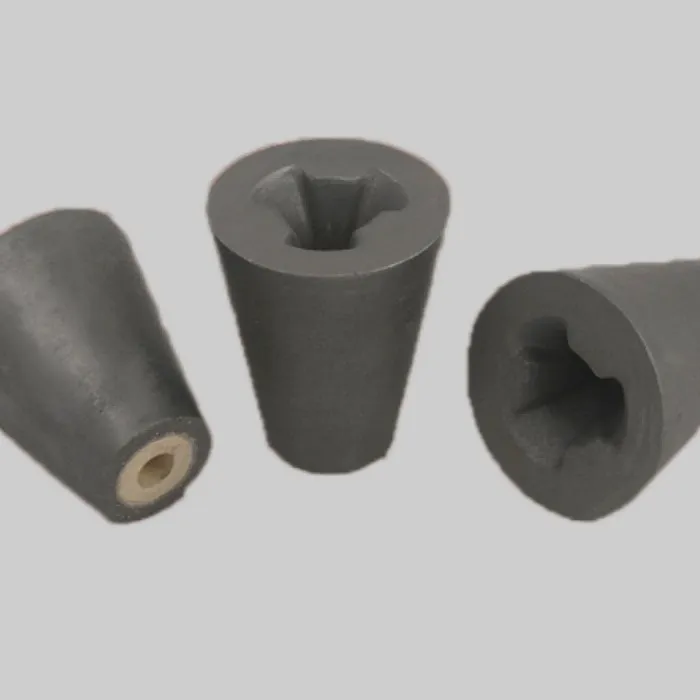
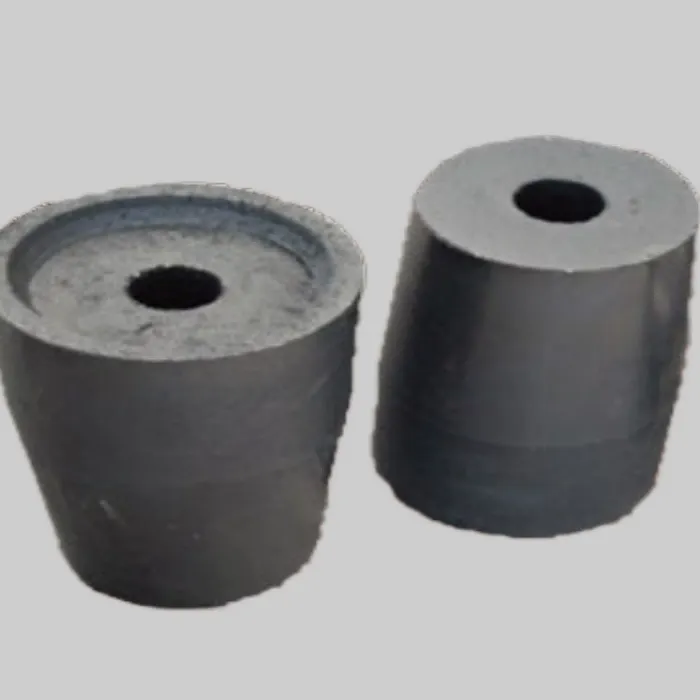
When it comes to casting, there are different types of nozzles involved in the process. You've got the Refractory Collector Nozzle, Zirconia Nozzle, and Tundish Nozzle. Each plays a crucial role in guiding and controlling the flow of molten metal.
Physical Interaction
Let's talk about the physical interaction between zirconia nozzles and molten metals. When molten metal flows through a zirconia nozzle, there's a lot going on. First, the high - temperature molten metal heats up the nozzle. But thanks to zirconia's high thermal conductivity, the heat is distributed relatively evenly across the nozzle. This helps prevent localized overheating, which could lead to cracking or failure of the nozzle.
The flow of the molten metal also creates mechanical stress on the nozzle. The velocity and pressure of the metal as it passes through the nozzle can cause wear and tear. However, zirconia's high hardness and strength allow it to resist this mechanical stress to a large extent. The shape of the nozzle is designed to optimize the flow of the molten metal. A well - designed nozzle can ensure a smooth, laminar flow, reducing turbulence and the associated stress on the nozzle walls.
Chemical Interaction
Chemically, zirconia is quite stable when in contact with most molten metals. It doesn't react easily with common metals like steel, aluminum, and copper. This chemical stability is crucial because any reaction between the nozzle and the molten metal could contaminate the metal or degrade the nozzle.
However, in some cases, there can be some minor interactions. For example, in high - temperature environments, there might be some diffusion of elements between the nozzle and the molten metal. Trace elements in the zirconia might dissolve slightly into the molten metal, or some elements from the molten metal might adsorb onto the nozzle surface. But these effects are usually very small and can be managed through proper nozzle design and material selection.
Thermal Interaction
Thermal interaction is another key aspect. As mentioned earlier, the high temperature of the molten metal heats up the zirconia nozzle. Zirconia has a low coefficient of thermal expansion. This means that as it heats up, it doesn't expand much. This property is really important because if the nozzle were to expand too much, it could cause fitment issues with the surrounding equipment.
On the other hand, when the casting process is finished and the molten metal cools down, the nozzle also cools. The low thermal expansion coefficient ensures that the nozzle contracts in a controlled manner, reducing the risk of cracking due to thermal stress.
Impact on Metal Quality
The interaction between zirconia nozzles and molten metals also has a significant impact on the quality of the final metal product. A well - functioning nozzle can ensure a consistent flow of molten metal, which is essential for producing high - quality castings. By controlling the flow rate and direction of the molten metal, the nozzle helps prevent defects such as porosity, inclusions, and uneven solidification.
For example, a smooth flow of molten metal through the nozzle can reduce the entrapment of air bubbles in the metal, which could lead to porosity in the final casting. Also, by preventing any chemical contamination from the nozzle, the purity of the metal is maintained.
Wear and Degradation
Over time, zirconia nozzles do experience wear and degradation. The physical and chemical interactions with the molten metal gradually erode the nozzle. The most common forms of wear are abrasion, erosion, and corrosion.
Abrasion occurs when solid particles in the molten metal scrape against the nozzle walls. Erosion is caused by the high - velocity flow of the molten metal, which can carry away small particles of the nozzle material. Corrosion can happen if there are any impurities in the molten metal or if the operating conditions are such that a chemical reaction occurs between the nozzle and the metal.
To extend the lifespan of the nozzle, we use advanced manufacturing techniques and coatings. Special coatings can be applied to the nozzle surface to enhance its wear resistance and chemical stability. For example, some coatings can act as a barrier, preventing direct contact between the nozzle and the molten metal, reducing the risk of corrosion and erosion.
Application in Different Industries
Zirconia nozzles are used in a variety of industries. In the steel industry, they are used in continuous casting processes. The precise control of the flow of molten steel through zirconia nozzles is essential for producing high - quality steel products with consistent properties.
In the aluminum industry, zirconia nozzles are used in die - casting and foundry applications. They help ensure a smooth and controlled flow of molten aluminum, which is crucial for producing complex - shaped aluminum parts.
In the copper industry, zirconia nozzles play a similar role in guiding the flow of molten copper during casting. They help maintain the purity of the copper and prevent defects in the final product.
Importance of Proper Selection
Selecting the right zirconia nozzle is crucial for a successful casting process. The choice of nozzle depends on several factors, such as the type of molten metal, the casting process, and the operating conditions.
For example, if you're dealing with high - temperature molten steel, you'll need a nozzle with excellent thermal shock resistance and high - temperature stability. On the other hand, if you're casting aluminum, a nozzle with good corrosion resistance to aluminum - based alloys might be more important.
Maintenance and Monitoring
Proper maintenance and monitoring of zirconia nozzles are essential. Regular inspections can help detect any signs of wear, damage, or degradation early on. This allows for timely replacement of the nozzle, preventing costly downtime in the casting process.
Monitoring the operating conditions, such as temperature, pressure, and flow rate, can also provide valuable information about the performance of the nozzle. By analyzing this data, we can optimize the casting process and extend the lifespan of the nozzle.
Conclusion
In conclusion, the interaction between zirconia nozzles and molten metals is a complex but fascinating phenomenon. From physical and chemical interactions to the impact on metal quality, every aspect is crucial in the casting process. As a zirconia nozzle supplier, we're constantly working to improve the performance of our nozzles. We use the latest materials and manufacturing techniques to ensure that our nozzles can withstand the harsh conditions of the casting industry.
If you're involved in the metal - casting industry and are looking for high - quality zirconia nozzles, we'd love to talk to you. Our team of experts can help you select the right nozzle for your specific application and provide you with all the support you need. Don't hesitate to reach out to us for a consultation and start a procurement discussion.
References
- "High - Temperature Materials for Metal Casting" by John Smith
- "Thermal and Chemical Interactions in Metal Casting Processes" by Emily Brown
- "Advances in Zirconia Nozzle Technology" by David Johnson