

Hey there! I'm a supplier of refractory cement, and today I want to chat about how humidity can mess with the curing process of this stuff. Refractory cement is super important in a bunch of industries, like steelmaking, glass manufacturing, and even in some home fireplaces. It's got to be able to handle high temperatures without falling apart, and the curing process is key to making sure it does its job right.
First off, let's quickly go over what curing is. When you mix refractory cement with water, a chemical reaction called hydration kicks in. This reaction forms crystals that bind the cement particles together, making it hard and strong. The curing process is all about giving this reaction enough time to happen properly.
Now, let's dig into how humidity affects this whole process.
Low Humidity Conditions
When the humidity is low, the big problem is the water in the refractory cement evaporating too quickly. You see, water is like the fuel for the hydration reaction. If it dries up before the reaction is finished, the cement won't cure properly.
Imagine you're making a cake. If you take it out of the oven too soon, it'll be all mushy in the middle. That's kind of what happens to refractory cement when it dries out too fast. The surface might harden, but inside, it's still weak and won't have the strength it needs to withstand high temperatures.
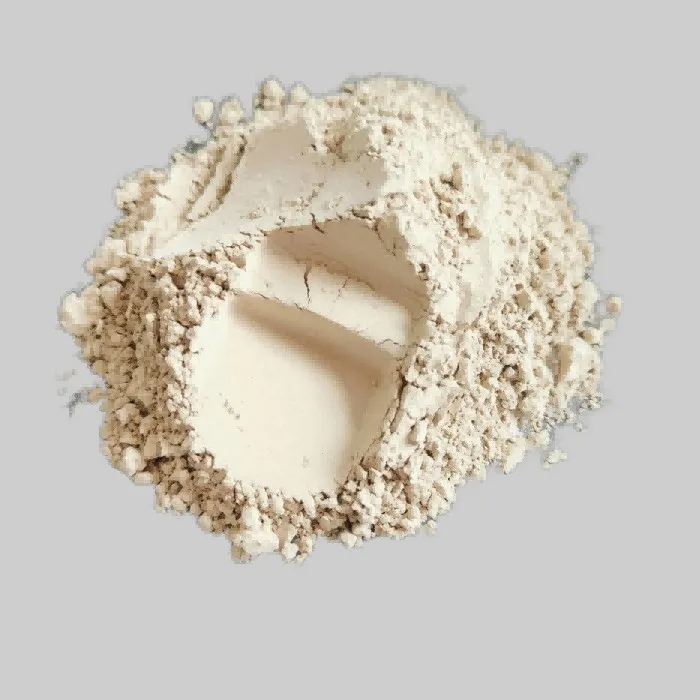
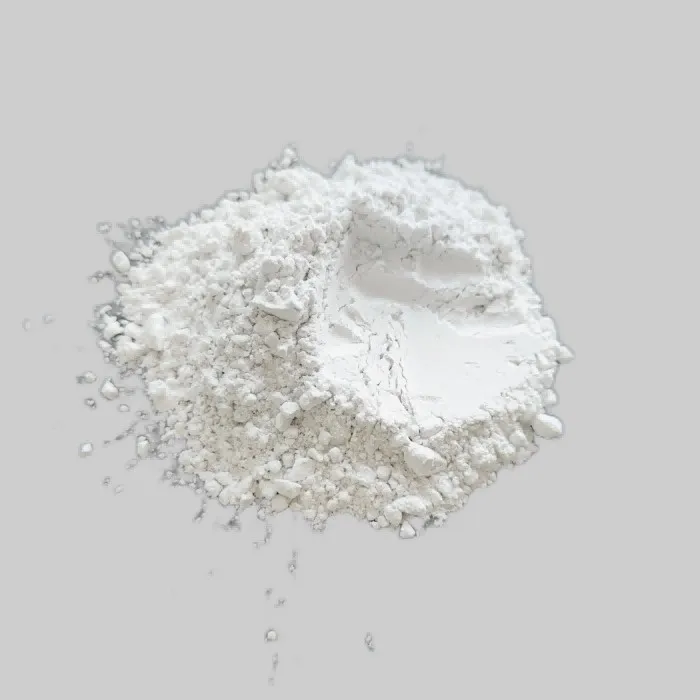
In low - humidity environments, the evaporation rate can be so high that the cement starts to crack. These cracks are a huge issue because they can let heat and gases through, reducing the cement's effectiveness and lifespan.
To deal with low humidity, we often recommend using a curing compound. This is like a protective layer that slows down the evaporation of water from the cement. Another option is to cover the cement with a plastic sheet. This traps the moisture and gives the hydration reaction a better chance to complete.
High Humidity Conditions
On the flip side, high humidity can also cause problems. When there's a lot of moisture in the air, the water in the cement takes longer to evaporate. This might seem like a good thing at first, but it can actually lead to a slower curing process.
The hydration reaction in refractory cement needs a certain balance of water and time. If the water sticks around for too long, the reaction can become sluggish. The cement might end up being softer than it should be, and it could take much longer to reach its full strength.
In really high - humidity situations, there's also a risk of mold and mildew growth on the surface of the cement. This not only looks bad but can also weaken the cement over time.
To combat high humidity, proper ventilation is crucial. You need to get rid of the excess moisture in the air around the curing cement. Fans can be a great help here. They move the air around and speed up the evaporation process, helping the cement cure at a more normal rate.
Different Types of Refractory Cement and Humidity
We offer different types of refractory cement, each with its own characteristics and how they respond to humidity.
- High Strength Refractory Cement: This type is designed to be extra tough. But even so, humidity can still affect it. In low humidity, it's just as prone to cracking as other types. And in high humidity, the curing time can be extended, delaying when it reaches its full strength. You can learn more about it High Strength Refractory Cement.
- High Heat Refractory Cement: Since it's made to handle extreme heat, it's important that it cures correctly. Low humidity can cause it to form weak spots that won't hold up under high - temperature conditions. High humidity can slow down the development of its heat - resistant properties. Check out High Heat Refractory Cement for more details.
- High Alumina Refractory Cement: This cement has a high alumina content, which gives it unique properties. Humidity can impact the way the alumina reacts during the curing process. In low humidity, the rapid drying can disrupt the formation of the right crystal structures. In high humidity, the presence of extra moisture can interfere with the chemical reactions involving alumina. Find out more about High Alumina Refractory Cement.
Monitoring and Controlling Humidity
So, how do you know what the humidity is and how to control it? Well, a simple humidity meter can be your best friend. You can pick one up at a hardware store for a reasonable price.
Once you know the humidity level, you can take action. If it's too low, use the methods I mentioned earlier, like curing compounds or plastic sheets. If it's too high, set up fans or open windows to improve ventilation.
It's also a good idea to keep an eye on the temperature. Temperature and humidity work together to affect the curing process. Higher temperatures generally speed up the evaporation of water, so in a hot and dry environment, you need to be extra careful.
Conclusion
As a supplier of refractory cement, I know how important it is to get the curing process right. Humidity can have a big impact on the quality and performance of the cement. Whether it's low or high humidity, there are ways to manage it and ensure that your refractory cement cures properly.
If you're in the market for refractory cement, we've got a great selection of high - quality products. We're here to help you choose the right type for your needs and give you advice on how to handle the curing process. Whether you're a big industrial company or a DIY enthusiast working on a home project, we've got you covered.
If you're interested in purchasing our refractory cement or have any questions, don't hesitate to reach out. We're happy to have a chat and discuss your requirements. Let's work together to make sure your projects are a success!
References
- ASTM International. (2022). Standard Specification for High - Alumina Refractory Cement. ASTM C91/C91M - 22.
- NIST (National Institute of Standards and Technology). (2021). Building and Fire Research Laboratory: Moisture in Building Materials.
- Concrete Construction Magazine. (2020). Effects of Humidity on Cement Curing.