

Slag, a by - product in steel - making and other high - temperature industrial processes, has a profound impact on the performance of refractory nozzles. As a dedicated refractory nozzle supplier, understanding these interactions is crucial for providing high - performance products to our customers.
1. Physical and Chemical Characteristics of Slag
Slag is a complex mixture that forms during the smelting or refining of metals. It mainly consists of oxides such as silica (SiO₂), alumina (Al₂O₃), calcium oxide (CaO), and magnesium oxide (MgO), along with smaller amounts of other elements like sulfur, phosphorus, and trace metals. The composition of slag can vary significantly depending on the type of metal being processed, the ore source, and the smelting or refining techniques employed.
In terms of physical properties, slag has a relatively high melting point, usually ranging from 1100°C to 1600°C. Its viscosity is another important characteristic, which is influenced by temperature, composition, and the presence of impurities. A highly viscous slag may flow slowly through the refractory nozzle, while a low - viscosity slag can flow more freely but may also cause more aggressive erosion.
2. Erosion Mechanisms Caused by Slag on Refractory Nozzles
Chemical Erosion
One of the primary ways slag affects the performance of refractory nozzles is through chemical erosion. The oxides in the slag can react with the components of the refractory material. For example, silica in the slag may react with alumina in the refractory nozzle at high temperatures. This reaction can form low - melting - point compounds such as mullite (3Al₂O₃·2SiO₂) or glassy phases. These newly formed compounds have lower melting points than the original refractory material, making them more likely to be washed away by the flowing molten metal and slag.
The basic oxides in slag, like CaO and MgO, can also react with acidic components in the refractory. If the refractory contains a significant amount of silica, the basic slag will react with it to form calcium silicates or magnesium silicates. These reactions gradually consume the refractory material, leading to a reduction in the thickness and integrity of the nozzle wall.
Physical Erosion
Physical erosion occurs when the flowing slag and molten metal exert mechanical forces on the refractory nozzle. The high - velocity flow of the slag can cause abrasion on the inner surface of the nozzle. The particles in the slag, especially if they are hard and angular, can act like abrasives, wearing away the refractory material over time.
Thermal stress also contributes to physical erosion. As the slag enters the nozzle, it brings a sudden change in temperature. The rapid heating or cooling can cause thermal expansion or contraction of the refractory material, leading to the formation of cracks. Once cracks develop, the slag can penetrate deeper into the refractory, further accelerating the erosion process.
3. Impact on Nozzle Performance
Flow Control
Slag erosion can significantly affect the flow control of the refractory nozzle. As the inner surface of the nozzle is eroded, the cross - sectional area of the nozzle changes. An increase in cross - sectional area due to erosion can lead to an increase in the flow rate of the molten metal and slag. This may result in a loss of precise control over the pouring process, making it difficult to achieve consistent product quality.
On the other hand, if the erosion causes the formation of irregularities or blockages inside the nozzle, the flow may become uneven or restricted. This can lead to problems such as splashing, uneven filling of molds, and incomplete casting.
Nozzle Lifespan
The presence of slag greatly reduces the lifespan of the refractory nozzle. The continuous chemical and physical erosion weakens the structural integrity of the nozzle. Eventually, the nozzle may break or wear out to a point where it can no longer function properly. A shorter nozzle lifespan means more frequent replacements, which increases production costs and downtime for the manufacturing process.
Product Contamination
Slag - induced erosion can also cause product contamination. As the refractory material is eroded and washed into the molten metal, it can introduce impurities into the final product. These impurities can affect the mechanical and chemical properties of the metal, leading to inferior quality products. In some cases, the contamination may even render the product unusable.
4. Our Solutions as a Refractory Nozzle Supplier
Material Selection
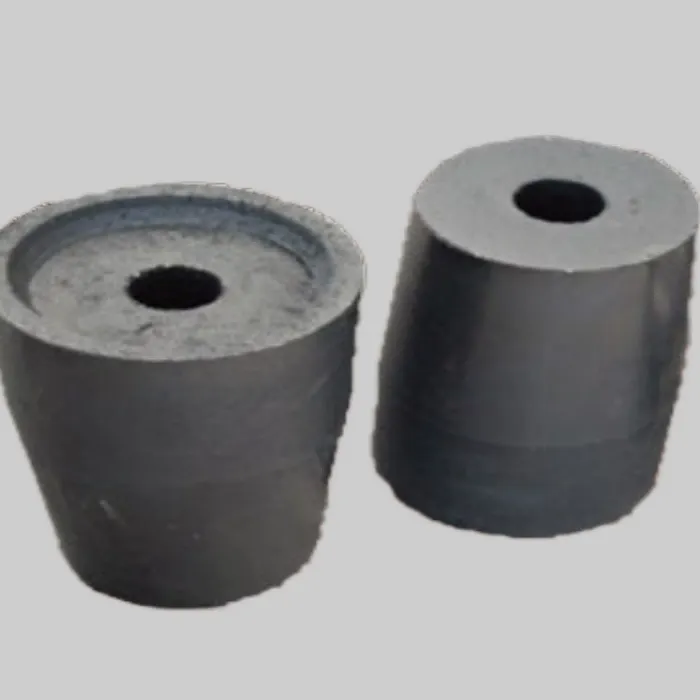
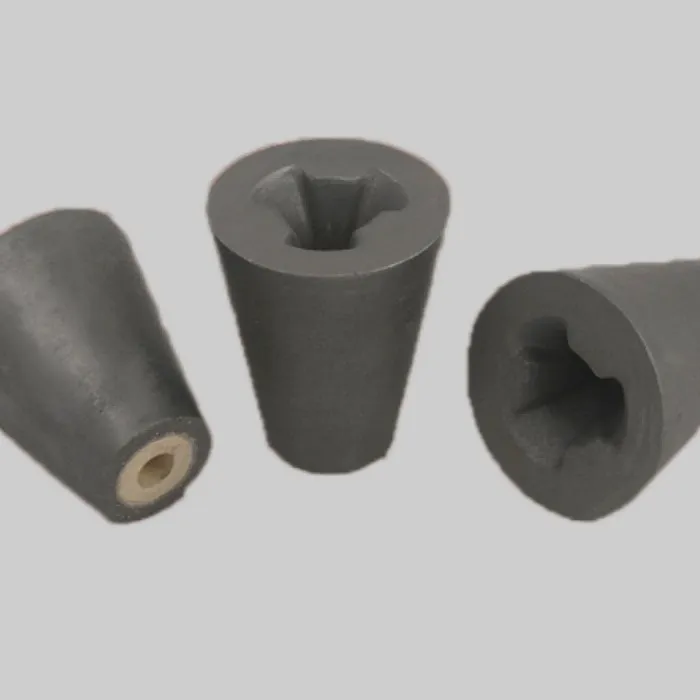
To mitigate the effects of slag on refractory nozzles, we pay great attention to material selection. We offer a variety of high - quality refractory materials that are specifically designed to resist slag erosion. For example, Zirconium Sizing Nozzle made of zirconium - based materials has excellent chemical stability and high resistance to slag attack. Zirconium oxide (ZrO₂) has a high melting point and is less reactive with the common components of slag, making it an ideal choice for applications where slag erosion is a major concern.
Our Refractory Collector Nozzle is also engineered with carefully selected materials. The composition is optimized to balance the chemical resistance, thermal shock resistance, and mechanical strength. By using advanced refractory materials, we can significantly extend the lifespan of the nozzle and improve its performance under harsh slag - containing environments.
Coating Technology
In addition to material selection, we also utilize coating technology to enhance the performance of our refractory nozzles. A protective coating can act as a barrier between the refractory material and the slag, preventing direct contact and reducing chemical and physical erosion. For example, our Zirconia Nozzle can be coated with a special zirconia - based coating. This coating not only provides excellent chemical resistance but also has good adhesion to the nozzle surface, ensuring long - term protection.
Design Optimization
The design of the refractory nozzle also plays an important role in resisting slag erosion. We use advanced computational fluid dynamics (CFD) simulations to optimize the internal geometry of the nozzle. By ensuring a smooth and uniform flow of the molten metal and slag, we can reduce the local stress and abrasion on the nozzle wall. A well - designed nozzle can also help to minimize the formation of stagnant zones where slag may accumulate and cause more severe erosion.
5. Conclusion
In conclusion, slag has a significant impact on the performance of refractory nozzles through chemical and physical erosion mechanisms. These effects can lead to problems such as flow control issues, reduced nozzle lifespan, and product contamination. As a refractory nozzle supplier, we are committed to providing high - quality solutions to address these challenges. Through careful material selection, advanced coating technology, and design optimization, we can offer refractory nozzles that are more resistant to slag erosion and can meet the demanding requirements of our customers.
If you are in need of high - performance refractory nozzles for your industrial applications, we invite you to contact us for procurement discussions. Our team of experts is ready to provide you with detailed product information and customized solutions based on your specific needs.
References
- Kriven, W. M., & Bradt, R. C. (Eds.). (2003). Advanced Refractory Coatings. Wiley - VCH.
- Zhang, L., & Peterson, E. S. (2010). Refractory Materials for Steelmaking. Woodhead Publishing.
- Somers, J. M., & Van Ende, M. (2013). High - Temperature Corrosion and Materials Applications. Elsevier.