

Hey there! I'm a supplier of tundish shrouds, and today I wanna chat about how the design of a tundish shroud impacts its performance.
First off, let's understand what a tundish shroud is. A tundish shroud is a crucial component in the continuous casting process. It's used to guide the molten steel from the tundish to the mold, protecting the steel from oxidation and slag entrainment. You can learn more about it here: Tundish Shroud.
The shape of a tundish shroud plays a huge role in its performance. A well - designed shape can ensure a smooth and stable flow of molten steel. For example, a straight - shaped tundish shroud is relatively simple. It provides a direct path for the steel to flow from the tundish to the mold. However, it might not be the best option in all cases. Sometimes, the steel flow can be too turbulent, leading to splashing and uneven distribution in the mold.
On the other hand, a curved tundish shroud can help to control the flow direction and velocity of the molten steel. By curving the shroud, we can direct the steel in a more controlled manner, reducing the chances of splashing and improving the overall quality of the cast product. But designing a curved shroud is not easy. We need to consider factors like the radius of the curve, the angle of the bend, and how these will affect the steel flow.
The inner diameter of the tundish shroud is another important design factor. If the inner diameter is too small, it can restrict the flow of molten steel. This can cause back - pressure in the tundish, leading to problems like uneven filling of the mold and potential blockages. On the contrary, if the inner diameter is too large, the steel flow might be too fast and difficult to control. This can also result in splashing and poor surface quality of the cast product. So, finding the right inner diameter is a delicate balance.
The material used in the construction of the tundish shroud also impacts its performance. Refractory materials are commonly used because they can withstand the high temperatures of the molten steel. Different refractory materials have different properties. For example, some materials have better thermal shock resistance, which is important as the shroud is exposed to rapid temperature changes. Others might have better corrosion resistance, which is crucial to prevent the shroud from being damaged by the molten steel over time.
Let's talk about the connection between the tundish shroud and other components in the continuous casting system, like the Subentry Nozzle and the Monolithic Stopper. The design of the tundish shroud should be compatible with these components. If the connection between the tundish shroud and the subentry nozzle is not well - designed, it can lead to leakage of molten steel. Similarly, the interaction between the tundish shroud and the monolithic stopper is important for controlling the flow of steel. A well - designed system ensures that the steel flow can be accurately regulated.
The surface finish of the tundish shroud also matters. A smooth inner surface can reduce friction between the molten steel and the shroud wall. This helps the steel to flow more easily, reducing the chances of blockages and improving the overall flow stability. On the other hand, a rough surface can cause the steel to stick to the wall, leading to uneven flow and potential blockages.
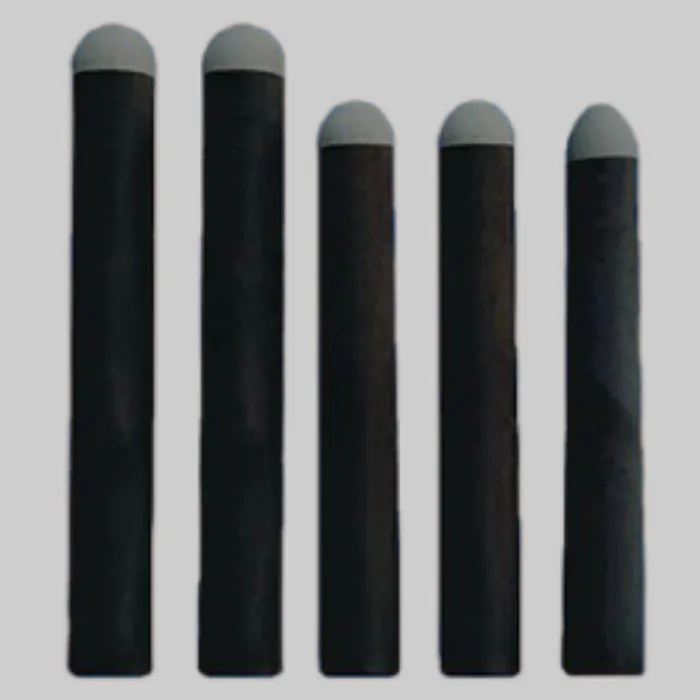
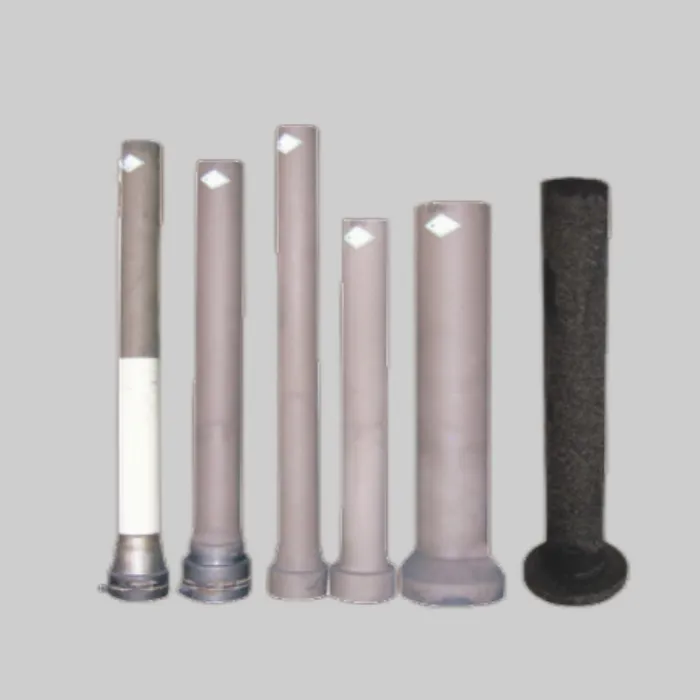
Now, let's consider the impact of the design on the lifespan of the tundish shroud. A well - designed shroud is likely to have a longer lifespan. For example, if the design takes into account the thermal stress and mechanical stress that the shroud will experience during operation, it can be more resistant to damage. This means fewer replacements, which can save time and money for the end - users.
In addition, the design of the tundish shroud can also affect the environmental performance of the continuous casting process. A shroud that can effectively prevent the oxidation of molten steel reduces the generation of waste products. This is not only good for the environment but also for the overall efficiency of the process.
As a tundish shroud supplier, I've seen firsthand how different designs can lead to different performance outcomes. We're constantly working on improving our designs to meet the changing needs of our customers. Whether it's for a small - scale casting operation or a large - scale industrial plant, we know that the right design is key to achieving optimal performance.
If you're in the market for tundish shrouds, it's important to consider all these design factors. A well - designed shroud can make a big difference in the quality of your cast products, the efficiency of your process, and your bottom line. So, don't hesitate to reach out to us to discuss your specific requirements. We're here to help you find the best tundish shroud solution for your needs. Whether you have questions about the design, the materials, or the installation, our team of experts is ready to assist you.
In conclusion, the design of a tundish shroud has a profound impact on its performance. From the shape and inner diameter to the material and surface finish, every aspect of the design matters. By understanding these factors and working with a reliable supplier, you can ensure that you get a tundish shroud that meets your exact needs and delivers outstanding performance. So, if you're interested in purchasing tundish shrouds or want to learn more about our products, feel free to contact us for a detailed discussion. We look forward to working with you to improve your continuous casting process.
References
- "Continuous Casting Handbook"
- Research papers on refractory materials and continuous casting technology