

Abrasion resistance is a crucial property for sub entry nozzles, which are essential components in continuous casting processes. As a leading supplier of sub entry nozzles, I understand the significance of this characteristic and its impact on the performance and longevity of these products. In this blog, I will delve into the abrasion - resistance properties of sub entry nozzles, exploring the factors that influence them and the benefits they bring.
Understanding Abrasion in Sub Entry Nozzles
In the context of continuous casting, sub entry nozzles are exposed to highly abrasive conditions. The molten metal flowing through the nozzle at high speeds contains various solid particles, such as inclusions and deoxidation products. These particles can cause mechanical wear on the inner surface of the nozzle, leading to erosion and eventually nozzle failure. Abrasion can also be exacerbated by the high - temperature environment, which may affect the material's strength and hardness.
Factors Influencing Abrasion Resistance
Material Composition
The choice of material is the most fundamental factor affecting the abrasion resistance of sub entry nozzles. Common materials used for sub entry nozzles include alumina - graphite, zirconia - graphite, and alumina - zirconia - carbon composites.
Alumina - graphite materials are widely used due to their good thermal shock resistance and relatively high abrasion resistance. Alumina provides hardness and strength, while graphite enhances the material's lubricity and thermal conductivity. Zirconia - graphite materials, on the other hand, offer superior abrasion resistance, especially in applications where the molten metal contains high - density inclusions. The addition of zirconia increases the material's hardness and wear - resistance.
Alumina - zirconia - carbon composites combine the advantages of both alumina and zirconia, providing a balanced performance in terms of abrasion resistance, thermal shock resistance, and chemical stability. These composites can be tailored to specific applications by adjusting the ratio of different components.
Microstructure
The microstructure of the sub entry nozzle material also plays a vital role in its abrasion resistance. A fine - grained microstructure generally provides better abrasion resistance than a coarse - grained one. Fine grains offer more grain boundaries, which can impede the movement of abrasive particles and prevent them from causing extensive damage.
In addition, the distribution of different phases in the material can affect its abrasion behavior. For example, in alumina - zirconia - carbon composites, a homogeneous distribution of zirconia particles in the alumina matrix can enhance the overall abrasion resistance by providing additional hard points to resist wear.
Manufacturing Process
The manufacturing process of sub entry nozzles can significantly influence their abrasion - resistance properties. Precision molding techniques can ensure a uniform wall thickness and a smooth inner surface, reducing the friction between the molten metal and the nozzle wall and thus minimizing abrasion.
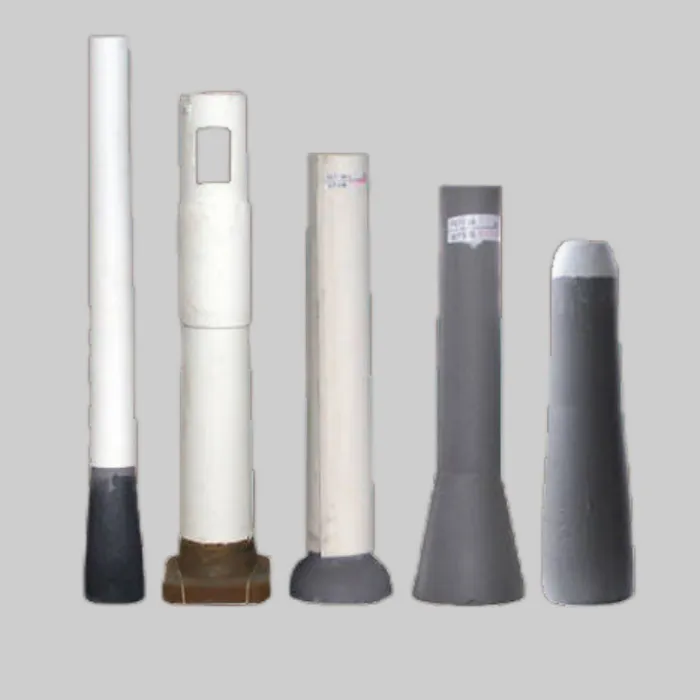
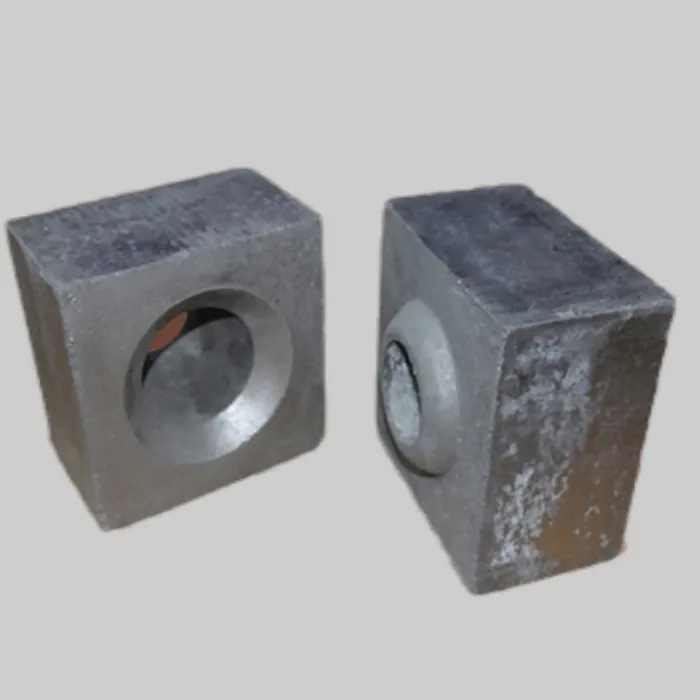
Sintering is another critical step in the manufacturing process. Proper sintering parameters, such as temperature, time, and atmosphere, can optimize the material's density, hardness, and microstructure, improving its abrasion resistance. For example, high - temperature sintering can promote the formation of strong bonds between particles, increasing the material's strength and wear - resistance.
Benefits of High Abrasion Resistance
Extended Service Life
One of the most significant benefits of high - abrasion - resistant sub entry nozzles is their extended service life. By reducing the rate of wear, these nozzles can withstand longer casting campaigns without significant deterioration. This not only reduces the frequency of nozzle replacement but also improves the overall efficiency of the continuous casting process. Fewer interruptions for nozzle changes mean more continuous production, leading to increased productivity and reduced costs.
Improved Casting Quality
Abrasion - resistant sub entry nozzles can also contribute to improved casting quality. A well - maintained inner surface of the nozzle ensures a smooth and stable flow of molten metal, reducing the formation of turbulence and the entrapment of air or inclusions. This results in better - formed cast products with fewer defects, such as surface cracks and internal porosity.
Cost Savings
Although high - abrasion - resistant sub entry nozzles may have a higher initial cost, they can lead to significant cost savings in the long run. The reduced need for frequent replacements, combined with the improved casting quality and productivity, can offset the initial investment. Additionally, the lower consumption of refractory materials due to longer service life also contributes to cost reduction.
Our Company's Approach to Abrasion Resistance
As a sub entry nozzle supplier, we are committed to providing products with excellent abrasion - resistance properties. We use advanced material research and development techniques to select the most suitable materials and optimize their composition for different applications. Our state - of - the - art manufacturing facilities ensure precise control over the production process, from raw material preparation to final product inspection.
We offer a wide range of sub entry nozzles, including Sub Entry Nozzle, which are designed to meet the diverse needs of our customers. Our nozzles are tested rigorously to ensure they meet or exceed industry standards for abrasion resistance. In addition to sub entry nozzles, we also provide related products such as Well Blcok and Monolithic Stopper, which are all engineered to provide high - performance solutions for continuous casting processes.
Contact Us for Procurement
If you are looking for high - quality sub entry nozzles with excellent abrasion - resistance properties, we would be delighted to discuss your requirements. Our team of experts can provide you with detailed technical information and customized solutions based on your specific needs. Whether you are a small - scale foundry or a large - scale steel mill, we have the products and expertise to support your continuous casting operations. Contact us today to start a procurement discussion and experience the difference our products can make.
References
- "Refractories in Steelmaking" by J. F. Elliott
- "Continuous Casting Technology" edited by T. S. Piwonka
- Industry reports on refractory materials and continuous casting processes.