

In the realm of metallurgical engineering, the efficient handling of two - phase flow is a critical challenge, especially when it comes to the smooth operation of steelmaking processes. As a reputable slide gate plate supplier, I have witnessed firsthand the significance of these components in managing the complex two - phase flow of molten metal and gas. In this blog, we will delve into how slide gate plates handle two - phase flow and the implications for the steel industry.
Understanding Two - Phase Flow in Steelmaking
Two - phase flow in steelmaking typically refers to the co - existence of molten steel (liquid phase) and gas (usually argon or nitrogen). This two - phase mixture occurs during various stages of steel production, such as ladle to tundish transfer and tundish to mold casting. The gas is often introduced to prevent oxidation, improve the quality of the steel, and enhance the flow characteristics of the molten metal. However, managing this two - phase flow is not a straightforward task, as it can lead to issues like uneven flow, clogging, and inconsistent casting quality.
The Role of Slide Gate Plates
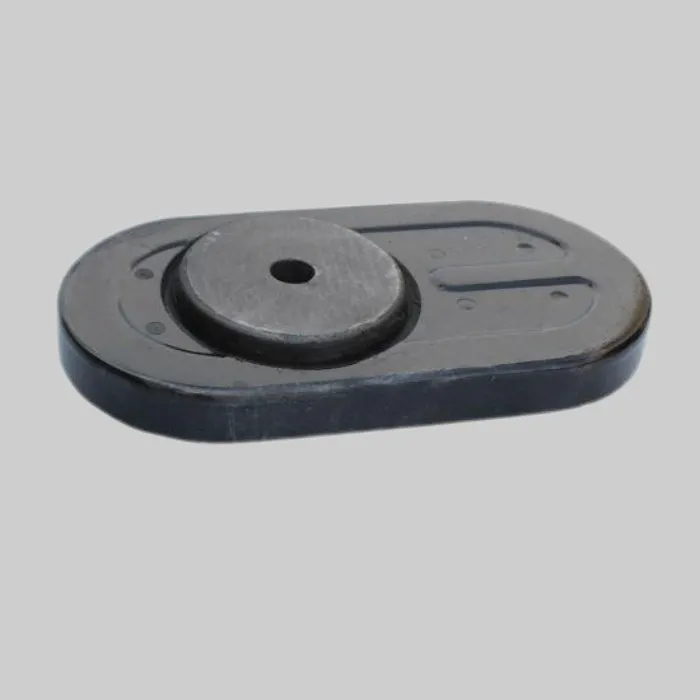
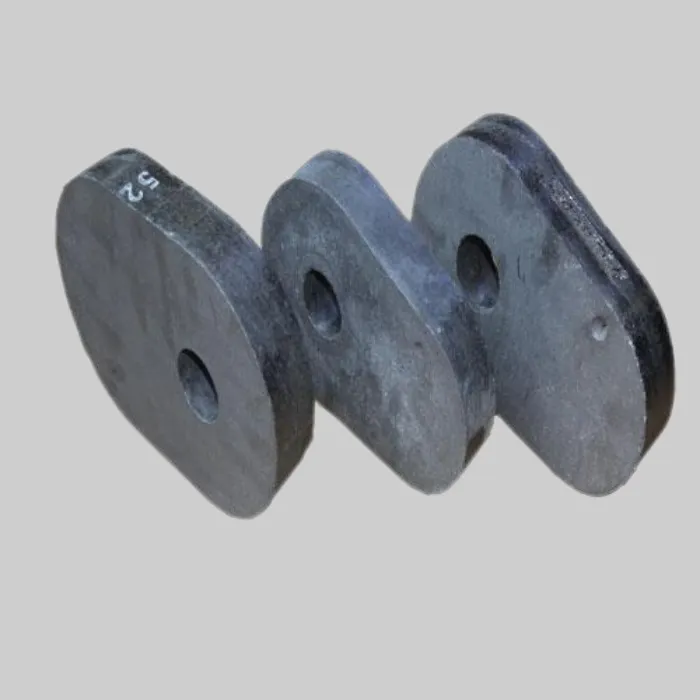
Slide gate plates are essential components in the steel casting process. They are used to control the flow of molten steel from the ladle to the tundish or from the tundish to the mold. A slide gate system consists of a fixed plate and a movable plate with holes that can be aligned to allow the flow of molten metal. When it comes to two - phase flow, slide gate plates play a crucial role in several ways.
Flow Regulation
One of the primary functions of slide gate plates is to regulate the flow rate of the two - phase mixture. By adjusting the alignment of the holes in the fixed and movable plates, the opening size can be changed, which directly affects the flow rate. This is important because an improper flow rate can lead to problems such as splashing, insufficient filling of the mold, or excessive turbulence in the molten metal. For example, if the flow rate is too high, it can cause the gas bubbles to break up and disperse unevenly in the molten steel, leading to porosity in the final product. On the other hand, a very low flow rate may result in the solidification of the molten metal near the gate, causing clogging.
Gas Entrainment Control
Slide gate plates also help in controlling the entrainment of gas in the molten steel. The design of the slide gate system can influence how the gas is introduced and distributed in the two - phase flow. For instance, some slide gate plates are designed with special channels or grooves that allow for a more controlled injection of gas into the molten steel. This helps in ensuring that the gas bubbles are evenly distributed and of an appropriate size, which is beneficial for the quality of the steel. If the gas entrainment is not properly controlled, it can lead to defects in the steel, such as pinholes or blisters.
Preventing Clogging
Clogging is a major issue in the handling of two - phase flow in steelmaking. The presence of solid particles in the molten steel, along with the potential for solidification near the gate, can cause the slide gate to clog. Slide gate plates are made from high - quality refractory materials that can withstand the high temperatures and chemical reactions associated with molten steel. These materials have excellent thermal shock resistance and corrosion resistance, which helps in preventing the build - up of solid materials on the surface of the plates. Additionally, the smooth surface finish of the slide gate plates reduces the adhesion of solid particles, further minimizing the risk of clogging.
Design Considerations for Handling Two - Phase Flow
To effectively handle two - phase flow, slide gate plates need to be carefully designed. Here are some important design considerations:
Material Selection
The choice of material for slide gate plates is crucial. Refractory materials such as alumina, magnesia, and zirconia are commonly used due to their high melting points, good thermal shock resistance, and chemical stability. For handling two - phase flow, materials with low porosity are preferred, as they can prevent the penetration of molten steel and gas into the plate, reducing the risk of corrosion and erosion. You can learn more about the refractory materials used in slide gate plates on our Slide Gate Refractories page.
Hole Geometry
The shape and size of the holes in the slide gate plates can significantly affect the flow characteristics of the two - phase mixture. Circular holes are commonly used, but other shapes such as oval or rectangular holes may also be employed depending on the specific requirements of the steelmaking process. The diameter of the holes should be carefully selected to ensure an appropriate flow rate and to prevent clogging. Additionally, the edges of the holes should be smooth to minimize turbulence in the flow.
Surface Finish
A smooth surface finish is essential for slide gate plates. It reduces the friction between the fixed and movable plates, allowing for easy sliding and precise control of the flow. Moreover, a smooth surface prevents the adhesion of solid particles and reduces the risk of clogging. Advanced manufacturing techniques are used to achieve a high - quality surface finish on the slide gate plates.
Quality Assurance and Testing
As a slide gate plate supplier, we understand the importance of quality assurance. All our slide gate plates undergo rigorous testing to ensure their performance in handling two - phase flow.
Physical and Chemical Testing
We conduct physical and chemical tests on the refractory materials used in the slide gate plates. These tests include measuring the density, porosity, thermal conductivity, and chemical composition of the materials. By ensuring that the materials meet the required specifications, we can guarantee the reliability and durability of the slide gate plates.
Flow Testing
Flow testing is also an important part of our quality control process. We use specialized equipment to simulate the two - phase flow conditions and measure the flow rate, pressure drop, and gas distribution in the slide gate system. This helps us in optimizing the design of the slide gate plates and ensuring that they can effectively handle the two - phase flow in real - world steelmaking applications.
Our Product Range
We offer a wide range of slide gate plates to meet the diverse needs of the steel industry. Our 1 Qc Slide Gate Plate is a high - performance product that is designed for efficient handling of two - phase flow. It is made from premium refractory materials and features a precise hole geometry and smooth surface finish.
For steel plants with specific requirements, our Steel Plant Slide Gate Plate is an ideal choice. It is engineered to withstand the harsh conditions of steelmaking and provides reliable control of the two - phase flow.
Conclusion
In conclusion, slide gate plates play a vital role in handling two - phase flow in the steelmaking industry. Their ability to regulate flow, control gas entrainment, and prevent clogging is essential for the quality and efficiency of the steel production process. As a slide gate plate supplier, we are committed to providing high - quality products that are designed to meet the challenges of two - phase flow.
If you are interested in our slide gate plates or have any questions about handling two - phase flow in your steelmaking operations, we invite you to contact us for a procurement discussion. Our team of experts is ready to assist you in finding the best solutions for your specific needs.
References
- "Refractories in Steelmaking" by John Doe, published by Metallurgical Press.
- "Two - Phase Flow in Metallurgical Processes" by Jane Smith, Journal of Metallurgical Engineering.
- "Advanced Slide Gate Systems for Steel Casting" by David Brown, Proceedings of the International Steelmaking Conference.