

As a supplier of gunning mix, one of the most frequently asked questions I receive from customers is about the temperature resistance of our products. Temperature resistance is a critical factor in the performance of gunning mix, especially in high - temperature industrial environments such as steelmaking and foundries. In this blog, I will delve into the details of what temperature resistance means for gunning mix and how our products are designed to meet the demanding requirements of various applications.
Understanding Temperature Resistance in Gunning Mix
Temperature resistance refers to the ability of a gunning mix to maintain its physical and chemical properties under high - temperature conditions. When a gunning mix is applied in a high - temperature environment, it is exposed to extreme heat that can cause thermal stress, chemical reactions, and physical changes. If the gunning mix does not have sufficient temperature resistance, it may crack, spall, or lose its bonding strength, which can lead to premature failure and costly repairs.
The temperature resistance of gunning mix is mainly determined by its raw materials and manufacturing process. Different types of raw materials have different melting points and thermal expansion coefficients, which directly affect the mix's ability to withstand high temperatures. For example, refractory materials such as alumina, magnesia, and silica are commonly used in gunning mix due to their high melting points and excellent thermal stability.
Factors Affecting Temperature Resistance
Raw Materials
The choice of raw materials is crucial in determining the temperature resistance of gunning mix. High - quality refractory raw materials with high purity and low impurities are preferred. Alumina, for instance, is a widely used raw material in gunning mix because of its high melting point (around 2054°C) and good thermal shock resistance. Magnesia is another important raw material, especially for applications in steelmaking, where it can react with slag to form a protective layer, enhancing the temperature resistance of the gunning mix.
Particle Size Distribution
The particle size distribution of the raw materials also affects the temperature resistance of gunning mix. A well - graded particle size distribution can improve the packing density of the mix, reducing the porosity and enhancing the thermal conductivity. This helps to dissipate heat more effectively and reduces the thermal stress on the gunning mix, thereby improving its temperature resistance.
Binder System
The binder system used in gunning mix plays a vital role in its temperature resistance. Organic binders are often used in the initial stage to provide good workability and green strength. However, at high temperatures, organic binders will burn out, leaving pores in the gunning mix. Inorganic binders, such as cement or phosphate binders, can provide better high - temperature strength and stability. They can form strong bonds between the refractory particles, ensuring that the gunning mix maintains its integrity at high temperatures.
Temperature Resistance in Different Applications
Electric Arc Furnace (EAF)
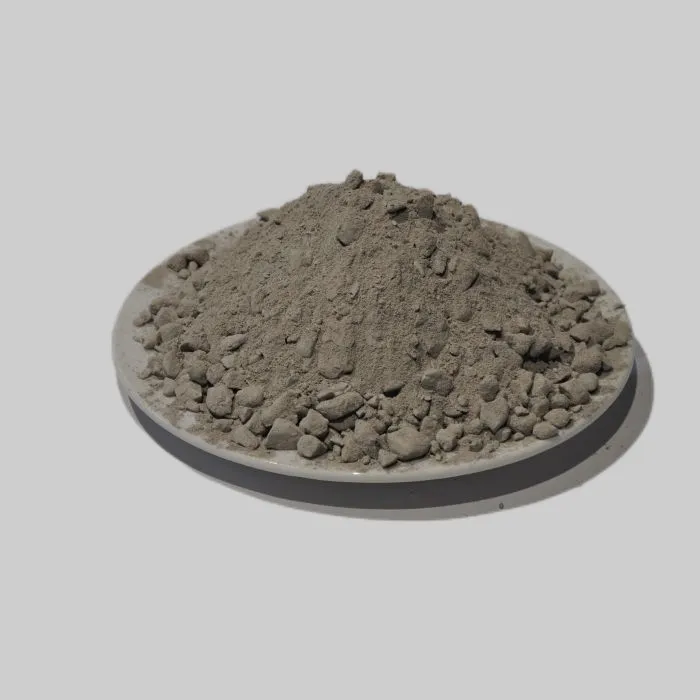
In an electric arc furnace, the temperature can reach up to 1600 - 1700°C during the steel - making process. Our Hot Patching EAF Gunning Mix is specifically designed to withstand these extreme temperatures. It is formulated with high - alumina raw materials and a special binder system that can provide excellent thermal shock resistance and high - temperature strength. The gunning mix can be quickly applied to the damaged areas of the furnace lining during hot patching operations, effectively extending the service life of the lining.
Ladle
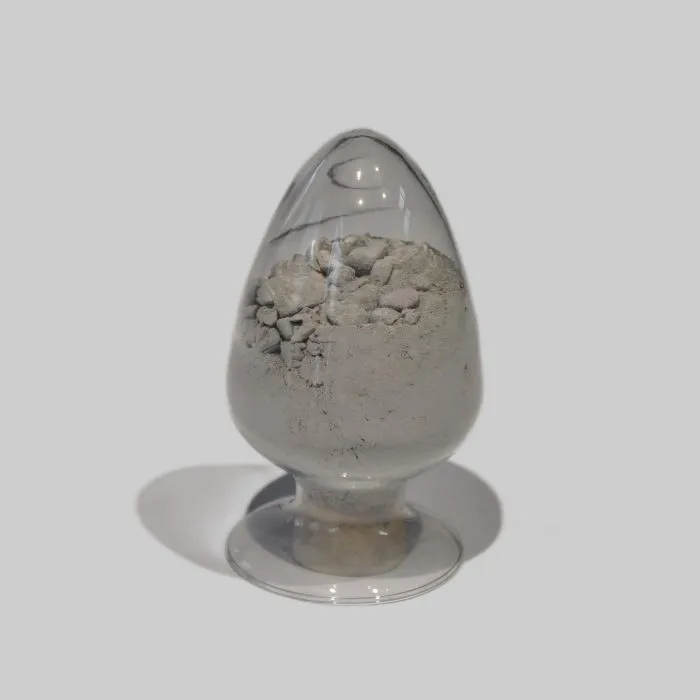
Ladle is another important application area for gunning mix. The temperature in a ladle can vary from 1500 - 1600°C during the transfer of molten steel. Our Ladle Gunning Mix is engineered to resist the high - temperature corrosion and thermal stress in the ladle environment. It has a high resistance to slag penetration and erosion, which is essential for maintaining the integrity of the ladle lining. The gunning mix can be easily applied to the ladle lining, providing a smooth and durable surface.
Testing and Quality Control
To ensure the temperature resistance of our gunning mix, we conduct a series of rigorous tests. Thermal analysis, such as differential scanning calorimetry (DSC) and thermogravimetric analysis (TGA), is used to study the thermal behavior of the gunning mix at different temperatures. These tests can help us understand the phase transitions, weight loss, and heat flow of the gunning mix, which are important indicators of its temperature resistance.
In addition, we also perform high - temperature strength tests and thermal shock tests. The high - temperature strength test measures the compressive or flexural strength of the gunning mix at elevated temperatures, while the thermal shock test evaluates its ability to withstand rapid temperature changes without cracking or spalling.
Conclusion
Temperature resistance is a key property of gunning mix, and it is essential for the reliable operation of high - temperature industrial equipment. As a gunning mix supplier, we are committed to providing high - quality products with excellent temperature resistance. Our products are carefully formulated using the best raw materials and advanced manufacturing processes, and they are rigorously tested to meet the highest quality standards.
If you are looking for a gunning mix with superior temperature resistance for your specific application, we would be more than happy to discuss your requirements. Our team of experts can provide you with professional advice and customized solutions. Contact us today to start a procurement negotiation and find the perfect gunning mix for your needs.
References
- ASTM International. Standard test methods for refractory materials.
- Schneider, H., & Guthrie, R. I. L. (2002). Refractories handbook. CRC Press.
- Kingery, W. D., Bowen, H. K., & Uhlmann, D. R. (1976). Introduction to ceramics. Wiley.