

As a supplier of tundish nozzles, I've witnessed firsthand the critical role these components play in the steelmaking process. Tundish nozzles are essential for controlling the flow of molten steel from the tundish to the continuous casting mold. However, one factor that significantly impacts their performance is thermal expansion. In this blog, I'll explore how the thermal expansion of a tundish nozzle affects its use and why it's crucial for steel manufacturers to understand this phenomenon.
Understanding Thermal Expansion
Thermal expansion is the tendency of matter to change in volume or shape in response to a change in temperature. When a material is heated, its atoms vibrate more vigorously, causing the material to expand. Conversely, when it's cooled, the atoms move less, and the material contracts. This principle applies to tundish nozzles, which are exposed to extreme temperatures during the steelmaking process.
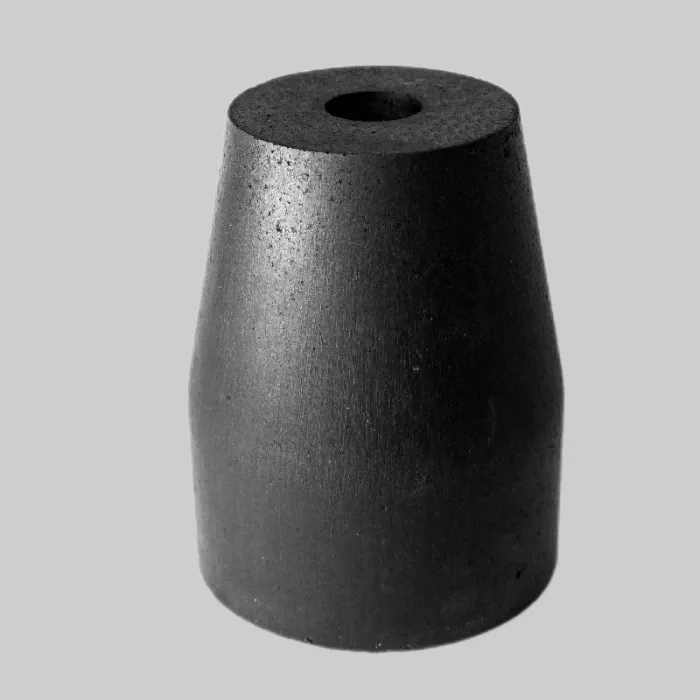
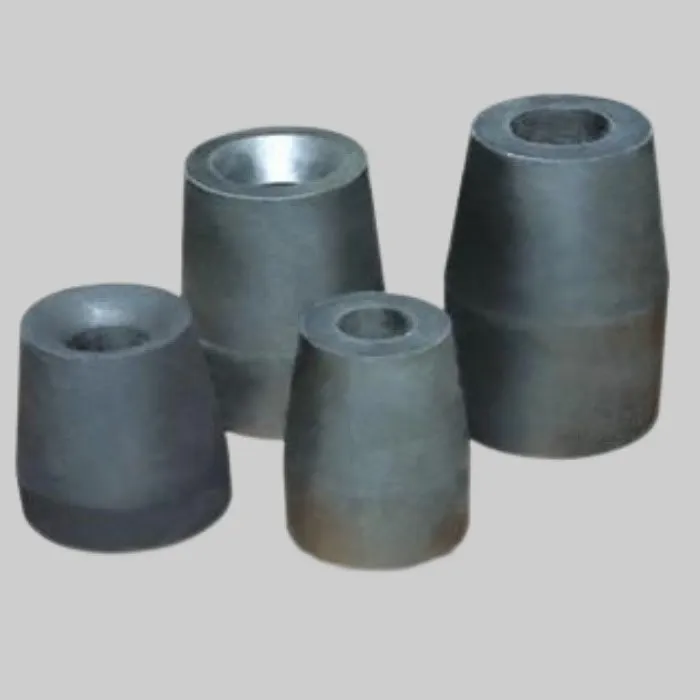
Tundish nozzles are typically made from refractory materials such as alumina, zirconia, or graphite. These materials are chosen for their high melting points and excellent thermal shock resistance. However, they still experience thermal expansion when exposed to the intense heat of molten steel, which can range from 1500°C to 1600°C.
Impact on Nozzle Dimensions
One of the most significant effects of thermal expansion on tundish nozzles is the change in their dimensions. As the nozzle heats up, it expands in all directions, which can lead to several issues. For example, the inner diameter of the nozzle may increase, affecting the flow rate of molten steel. A larger inner diameter can result in an excessive flow of steel, leading to problems such as overfilling of the mold or uneven casting. On the other hand, if the expansion causes the outer diameter to increase, it may lead to fitting issues with the tundish or other components in the casting system.
Moreover, the uneven expansion of different parts of the nozzle can cause stress and deformation. For instance, if the outer layer of the nozzle expands more than the inner layer, it can create internal stresses that may lead to cracking or spalling. These defects can compromise the integrity of the nozzle and reduce its lifespan, increasing the risk of downtime and production losses.
Influence on Flow Control
Accurate flow control is crucial in continuous casting to ensure the quality and consistency of the steel product. Thermal expansion can have a significant impact on the ability of a tundish nozzle to control the flow of molten steel. As the nozzle expands, the shape of its inner channel may change, altering the flow characteristics. This can result in variations in the flow rate, velocity, and turbulence of the steel, which can affect the solidification process and the final quality of the cast product.
In addition, thermal expansion can cause the nozzle to become misaligned or distorted, further affecting flow control. A misaligned nozzle may direct the steel flow unevenly into the mold, leading to defects such as surface cracks, segregation, or uneven thickness. These issues can reduce the yield of high-quality steel and increase the need for post-processing and rework.
Effect on Nozzle Lifespan
The thermal expansion and contraction cycles that tundish nozzles undergo during each casting operation can also have a detrimental effect on their lifespan. Repeated expansion and contraction can cause fatigue and wear on the refractory material, leading to the development of cracks and other defects. Over time, these defects can propagate and weaken the nozzle, making it more prone to failure.
Furthermore, the thermal stress caused by expansion can interact with other factors such as chemical reactions with the molten steel and mechanical forces during installation and operation. For example, the presence of cracks can allow molten steel to penetrate the nozzle, causing corrosion and further degradation. This can accelerate the deterioration of the nozzle and reduce its service life, increasing the frequency of nozzle replacements and maintenance costs.
Mitigating the Effects of Thermal Expansion
To minimize the negative impacts of thermal expansion on tundish nozzles, several strategies can be employed. One approach is to select refractory materials with low thermal expansion coefficients. These materials expand less when heated, reducing the risk of dimensional changes and stress-induced damage. For example, zirconia-based materials are known for their relatively low thermal expansion and excellent thermal shock resistance, making them suitable for use in tundish nozzles.
Another strategy is to design the nozzle with features that can accommodate thermal expansion. This can include using flexible seals or joints that allow for some movement without causing excessive stress. Additionally, the nozzle can be preheated before use to reduce the temperature gradient and minimize the initial thermal shock. This can help to prevent cracking and other damage during the initial stages of the casting process.
Proper installation and maintenance are also essential for ensuring the optimal performance of tundish nozzles. During installation, it's important to ensure that the nozzle is correctly aligned and securely fitted to prevent misalignment and movement during operation. Regular inspection and monitoring of the nozzles can help to detect any signs of damage or wear early on, allowing for timely replacement or repair.
Conclusion
In conclusion, the thermal expansion of tundish nozzles has a significant impact on their use in the steelmaking process. It can affect the nozzle's dimensions, flow control, and lifespan, leading to issues such as flow variations, casting defects, and increased maintenance costs. As a supplier of tundish nozzles, we understand the importance of addressing these challenges to ensure the reliable and efficient operation of our customers' casting systems.
By selecting the right refractory materials, implementing appropriate design features, and following proper installation and maintenance procedures, it's possible to mitigate the effects of thermal expansion and extend the lifespan of tundish nozzles. We offer a wide range of high-quality Refractory Collector Nozzle and Zirconium Sizing Nozzle that are designed to withstand the extreme conditions of the steelmaking process and provide consistent performance.
If you're looking for reliable tundish nozzles that can withstand thermal expansion and deliver optimal performance, we invite you to contact us for a detailed discussion about your specific requirements. Our team of experts is ready to assist you in selecting the right products and providing you with the support you need to ensure the success of your steelmaking operations.
References
- "Refractory Materials for Steelmaking" - A comprehensive guide on the properties and applications of refractory materials in the steel industry.
- "Continuous Casting Technology" - A technical reference book that covers the principles and practices of continuous casting, including the role of tundish nozzles.
- "Thermal Expansion of Materials" - Research papers and articles on the fundamental principles of thermal expansion and its effects on various materials.