

In the field of steelmaking, refractory nozzles play a crucial role in controlling the flow of molten steel from one vessel to another. Two common types of refractory nozzles are submerged refractory nozzles and open refractory nozzles. As a supplier of refractory nozzles, I often encounter inquiries about the differences between these two types. In this blog post, I will delve into the characteristics, advantages, and applications of submerged and open refractory nozzles to help you make an informed decision for your steelmaking operations.
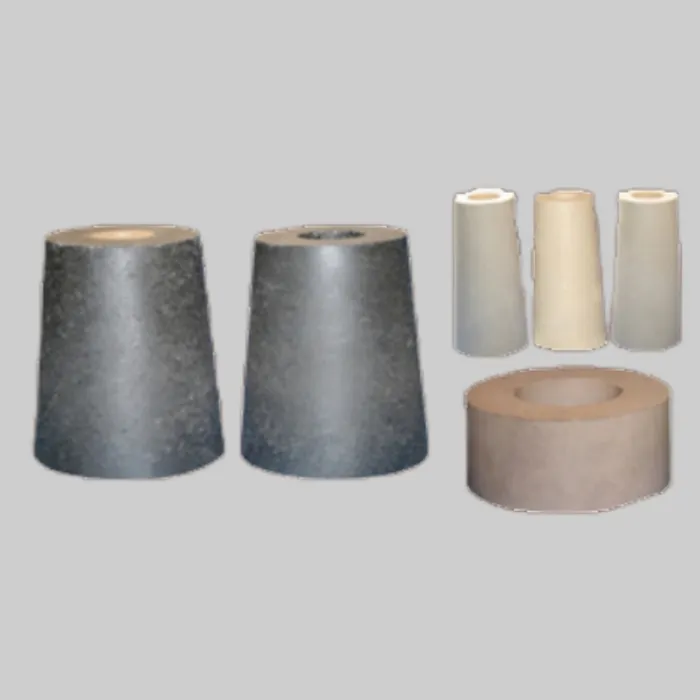
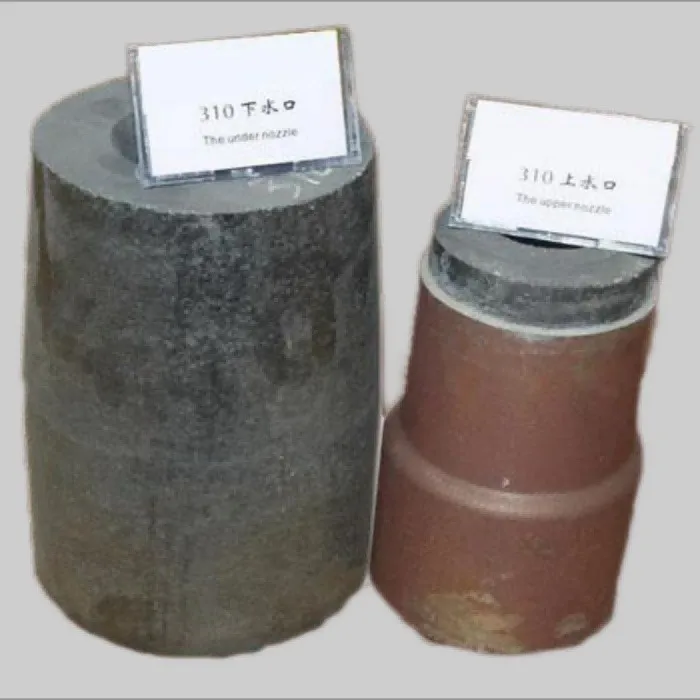
Submerged Refractory Nozzles
Submerged refractory nozzles are designed to be immersed in the molten steel during the casting process. They are typically used in continuous casting operations, where a steady and controlled flow of molten steel is required. The main function of a submerged refractory nozzle is to prevent the re - oxidation of molten steel by isolating it from the surrounding atmosphere.
Design and Structure
Submerged refractory nozzles are usually made of high - quality refractory materials such as alumina - graphite, magnesia - carbon, or zirconia - carbon. These materials have excellent thermal shock resistance, corrosion resistance, and mechanical strength, which are essential for withstanding the harsh conditions of molten steel. The nozzle is often equipped with a bottom - pouring design, which allows the molten steel to flow smoothly into the mold without splashing or turbulence.
Advantages
- Reduced Re - oxidation: By being submerged in the molten steel, the nozzle effectively prevents the contact between the molten steel and the air, thereby reducing the formation of oxides and inclusions in the steel. This results in a higher - quality steel product with improved mechanical properties.
- Controlled Flow: Submerged nozzles provide a more precise control of the molten steel flow rate and direction. This helps to ensure a uniform solidification process in the mold, reducing the occurrence of defects such as surface cracks and porosity.
- Enhanced Safety: Since the molten steel is contained within the nozzle and the mold, the risk of splashing and spills is significantly reduced. This improves the safety of the casting process for the operators.
Applications
Submerged refractory nozzles are widely used in continuous casting of various steel products, including slabs, billets, and blooms. They are particularly suitable for high - quality steel grades, such as stainless steel and alloy steel, where the control of inclusions and oxygen content is critical. For example, in the production of automotive steel sheets, submerged nozzles are used to ensure the purity and quality of the steel, which directly affects the performance and durability of the final automotive parts.
Open Refractory Nozzles
Open refractory nozzles, on the other hand, are not submerged in the molten steel. Instead, they are used to pour the molten steel from a ladle or a tundish into a mold or a casting pit. Open nozzles are commonly used in batch casting operations, where the production volume is relatively small.
Design and Structure
Open refractory nozzles are also made of refractory materials, but their design is relatively simpler compared to submerged nozzles. They usually have a straight - through or tapered shape, and the molten steel flows freely from the nozzle opening. The nozzle is often lined with a refractory material to protect it from the high - temperature molten steel.
Advantages
- Cost - Effective: Open nozzles are generally less expensive to manufacture and maintain compared to submerged nozzles. They do not require complex designs or additional equipment for submersion, which makes them a more economical choice for small - scale casting operations.
- Flexibility: Open nozzles offer greater flexibility in terms of casting operations. They can be easily adjusted or replaced during the casting process, allowing for quick changes in the casting parameters such as flow rate and pouring position.
- Suitability for Large - Scale Pouring: In some cases, open nozzles are preferred for large - scale pouring operations, where a high - volume flow of molten steel is required. The open design allows for a faster pouring speed, reducing the overall casting time.
Applications
Open refractory nozzles are commonly used in the production of castings for general engineering applications, such as machinery parts, pipes, and fittings. They are also suitable for the casting of low - quality steel grades, where the requirements for steel purity are not as strict. For example, in the production of simple structural steel components, open nozzles can provide a cost - effective solution without sacrificing the basic functionality of the castings.
Comparison between Submerged and Open Refractory Nozzles
Flow Control
Submerged nozzles offer a more precise and stable flow control compared to open nozzles. The submerged design allows for a laminar flow of molten steel, which is beneficial for achieving a uniform solidification process. In contrast, open nozzles may experience more turbulence and splashing, especially when the pouring speed is high.
Steel Quality
In terms of steel quality, submerged nozzles have a clear advantage. By preventing re - oxidation, they can produce steel with lower oxygen and inclusion content, resulting in better mechanical properties. Open nozzles, while suitable for some applications, may introduce more impurities into the steel due to the exposure to the atmosphere.
Cost
Open nozzles are generally more cost - effective than submerged nozzles. The simpler design and lower manufacturing requirements of open nozzles make them a more budget - friendly option, especially for small - scale or low - quality steel production. However, for high - quality steel production, the investment in submerged nozzles may be justified by the improved product quality.
Safety
Submerged nozzles provide a higher level of safety during the casting process. The enclosed design reduces the risk of molten steel splashing and spills, protecting the operators from potential hazards. Open nozzles, due to their open nature, pose a relatively higher risk of splashing and require more careful handling.
Our Product Offerings
As a refractory nozzle supplier, we offer a wide range of both submerged and open refractory nozzles to meet the diverse needs of our customers. Our Zirconium Sizing Nozzle is a high - performance product that provides excellent flow control and durability. It is suitable for use in both submerged and open casting applications. Our Tundish Nozzle is designed to ensure a smooth and stable flow of molten steel from the tundish to the mold, and it can be customized according to the specific requirements of your casting process. Additionally, our Refractory Ladle Nozzle is made of high - quality refractory materials, which can withstand the high - temperature and corrosive environment of molten steel in the ladle.
Conclusion
In conclusion, the choice between a submerged refractory nozzle and an open refractory nozzle depends on various factors, including the type of steel being produced, the casting process requirements, and the budget constraints. Submerged nozzles are ideal for high - quality steel production, where precise flow control and reduced re - oxidation are essential. Open nozzles, on the other hand, are more suitable for small - scale or low - quality steel casting, offering cost - effectiveness and flexibility.
If you are interested in learning more about our refractory nozzle products or have any specific requirements for your steelmaking operations, please feel free to contact us. We are committed to providing you with the best - quality refractory nozzles and professional technical support to help you achieve optimal casting results.
References
- "Steelmaking and Refractory Technology" by John Doe, published by Steel Industry Press.
- "Continuous Casting of Steel" by Jane Smith, published by Metallurgical Society Publications.
- "Refractory Materials for Steelmaking" by Tom Brown, published by Ceramic and Refractory Journal.