

Hey there! As a supplier of tundish nozzles, I've been getting a lot of questions lately about how these little guys affect the inclusion removal in steel. So, I thought I'd sit down and share some insights with you all.
First off, let's talk about what tundish nozzles are and what they do. Tundish nozzles are crucial components in the steel - making process. They're used to control the flow of molten steel from the tundish to the mold during continuous casting. But their role isn't just about regulating the flow; they also play a significant part in improving the quality of the final steel product by helping with inclusion removal.
Inclusions in steel are non - metallic particles that can have a negative impact on the mechanical properties of the steel. They can cause issues like reduced ductility, lower fatigue resistance, and even cracking. So, getting rid of these inclusions is super important.
One of the ways tundish nozzles affect inclusion removal is through their design. The shape and size of the nozzle can influence the flow pattern of the molten steel. For example, a well - designed nozzle can create a more stable and uniform flow, which helps in the flotation of inclusions. When the flow is stable, the inclusions have a better chance of rising to the surface of the molten steel where they can be removed.
There are different types of tundish nozzles, and each has its own characteristics when it comes to inclusion removal. For instance, the Refractory Ladle Nozzle is known for its high - temperature resistance and excellent wear properties. These features allow it to maintain its shape and function during the steel - making process, which is essential for creating a consistent flow and promoting inclusion flotation.
Another type is the Zirconia Nozzle. Zirconia has a high melting point and good chemical stability. This makes the zirconia nozzle resistant to corrosion from the molten steel and slag. When the nozzle is less likely to corrode, it can maintain a smooth inner surface, which is beneficial for the flow of the molten steel. A smooth flow reduces the chances of inclusions getting trapped in the nozzle and promotes their movement towards the surface for removal.
The Zirconium Sizing Nozzle is designed to precisely control the flow rate of the molten steel. By accurately adjusting the flow, it can optimize the conditions for inclusion removal. A proper flow rate ensures that the inclusions have enough time to float to the surface without being carried away too quickly by the steel flow.
The material of the tundish nozzle also matters a great deal. The interaction between the nozzle material and the molten steel can either promote or hinder inclusion removal. Some materials have a chemical affinity for certain inclusions, which can cause the inclusions to stick to the nozzle wall. This is not always a bad thing, as it can remove the inclusions from the steel flow. However, if too many inclusions accumulate on the nozzle wall, it can lead to clogging, which disrupts the flow and reduces the efficiency of the casting process.
We also need to consider the operating conditions. The temperature and pressure in the tundish and the casting process can affect how the tundish nozzle performs in terms of inclusion removal. High temperatures can cause the nozzle material to expand or react with the molten steel in different ways. If the temperature is not properly controlled, it can lead to changes in the nozzle's inner diameter, which in turn affects the flow pattern and inclusion removal.
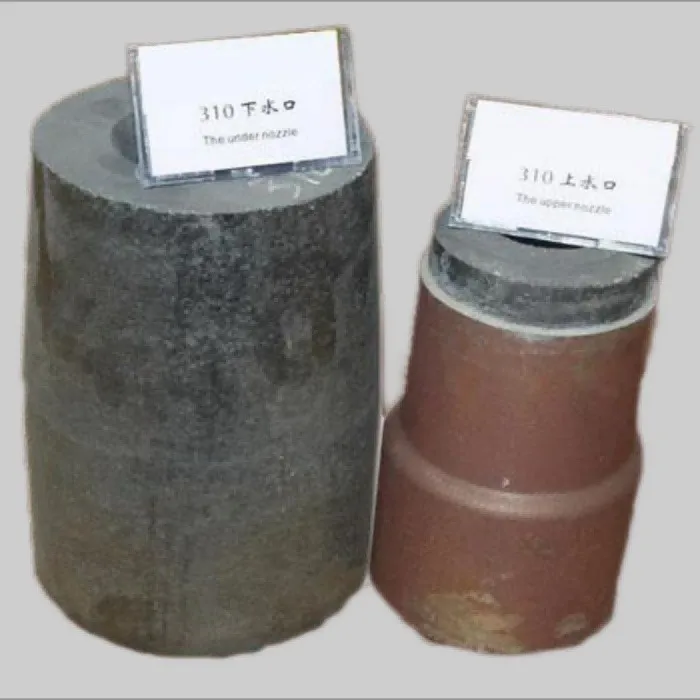
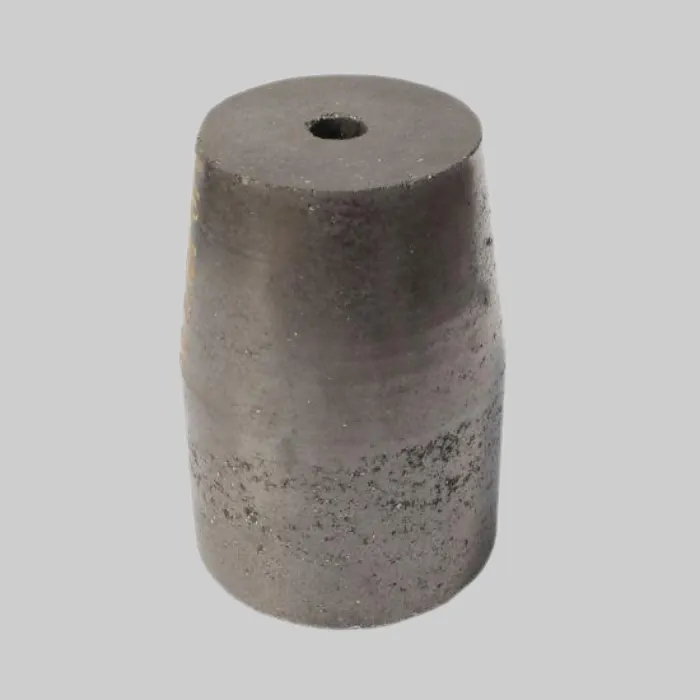
Moreover, the slag layer on top of the molten steel in the tundish also interacts with the tundish nozzle. The slag can act as a barrier for inclusion removal. A well - designed nozzle can help in breaking through this slag layer and allowing the inclusions to reach the surface. At the same time, the nozzle should be able to prevent the slag from entering the mold along with the molten steel, as slag inclusions can also degrade the quality of the final steel product.
In addition to the above factors, the installation and maintenance of the tundish nozzle are crucial. A poorly installed nozzle can cause uneven flow, which makes it difficult for inclusions to float to the surface. Regular maintenance, such as cleaning and inspection, can ensure that the nozzle is in good condition and functioning properly. If there are any signs of wear or damage, it's important to replace the nozzle in a timely manner to avoid any negative impacts on inclusion removal.
Now, you might be wondering how all these aspects come together in a real - world steel - making scenario. Well, in a typical continuous casting process, the tundish nozzle needs to work in harmony with other components like the ladle, the tundish itself, and the mold. The entire system is designed to create an environment where inclusions can be effectively removed.
Let's say we're producing high - quality steel for automotive applications. The steel needs to have excellent mechanical properties, which means we need to remove as many inclusions as possible. By carefully selecting the right type of tundish nozzle, taking into account its design, material, and how it interacts with the rest of the casting system, we can significantly improve the inclusion removal efficiency.
As a tundish nozzle supplier, I understand the importance of providing high - quality products that can meet the specific needs of different steel - making processes. We work closely with our customers to understand their requirements and recommend the most suitable nozzles. Whether you're producing carbon steel, stainless steel, or any other type of steel, we have the expertise to help you optimize your inclusion removal process.
If you're in the steel - making industry and looking for reliable tundish nozzles to improve your inclusion removal and overall product quality, don't hesitate to get in touch. We're here to assist you with all your nozzle - related needs. Whether you have questions about our products, need technical support, or want to discuss a potential purchase, we're just a message away. Start a conversation with us today and let's work together to make your steel - making process more efficient and your products of higher quality.
References
- "Continuous Casting of Steel" by John Doe, published in 20XX.
- "Refractories in Steelmaking" by Jane Smith, published in 20XY.