

Hey there! As a supplier of refractory mortar, I often get asked, "How long does refractory mortar last?" Well, let's dig into this topic and find out.
First off, what exactly is refractory mortar? It's a special type of mortar designed to withstand high temperatures. You'll typically find it used in places like fireplaces, kilns, and industrial furnaces. There are different kinds, such as High Alumina Mortar, Fire Resistant Brick Mortar, and Firebrick Mortar Mix. Each type has its own properties and is suited for specific applications.
Now, back to the main question - how long does it last? The lifespan of refractory mortar can vary quite a bit, and it depends on several factors.
1. Quality of the Mortar
The quality of the refractory mortar you use is a huge factor. High - quality mortar is made with the right combination of raw materials. For example, if the mortar has a high percentage of alumina, it will generally be more resistant to heat and chemical corrosion. Good - quality mortar from a reliable supplier will have been tested to ensure it meets industry standards. Cheaper, low - quality mortars might seem like a good deal at first, but they can break down much faster. You might find that a high - quality refractory mortar can last anywhere from 10 to 20 years, while a low - quality one could start showing signs of wear in just a couple of years.
2. Operating Temperature
The temperature at which the refractory mortar is used plays a crucial role. In a small, home fireplace where the temperature might reach around 500 - 800 degrees Celsius, the mortar is likely to last longer compared to an industrial furnace that can reach temperatures of over 1500 degrees Celsius. At extremely high temperatures, the chemical and physical properties of the mortar can change. The mortar might expand and contract more rapidly, which can lead to cracks and eventually failure. So, if you're using the mortar in a high - temperature environment, you might need to replace it more frequently, maybe every 5 - 10 years.
3. Frequency of Use
How often the equipment with the refractory mortar is used also matters. If it's a fireplace that's only used a few times a year, the mortar will experience less stress compared to a kiln that's in operation every day. Frequent heating and cooling cycles can cause the mortar to fatigue. Each time the mortar heats up and then cools down, it goes through thermal expansion and contraction. Over time, these repeated cycles can weaken the mortar and cause it to crack. A frequently used kiln might require the mortar to be replaced every 3 - 5 years, while a rarely used fireplace could go 15 - 20 years without major mortar issues.
4. Chemical Exposure
In some industrial settings, the refractory mortar might be exposed to chemicals. For example, in a metal - smelting furnace, the mortar could come into contact with molten metals and slag. These chemicals can react with the mortar, causing it to corrode. Acidic or alkaline substances can also eat away at the mortar. If the mortar is exposed to harsh chemicals on a regular basis, its lifespan can be significantly reduced. It might only last 2 - 5 years in such an environment.
5. Installation
Proper installation is key. If the mortar is not mixed correctly, it won't have the right consistency. If it's too dry, it might not bond well with the bricks. If it's too wet, it can take longer to set and might not develop the right strength. Also, the way the mortar is applied matters. It should be evenly spread between the bricks and filled into all the joints properly. A poorly installed mortar job can lead to premature failure. Even if you have high - quality mortar, a bad installation can make it last only a few years.
Signs that the Refractory Mortar Needs Replacement
So, how do you know when it's time to replace the refractory mortar? One of the most obvious signs is cracks. If you see large cracks in the mortar joints, it's a sign that the mortar is losing its integrity. Another sign is spalling, which is when small pieces of the mortar start to break off. You might also notice that the bricks are starting to shift or move, which could be due to the weakened mortar. If you smell unusual odors or see smoke coming from the joints, it could mean that the mortar is no longer providing a proper seal.
Extending the Lifespan of Refractory Mortar
There are some things you can do to make the refractory mortar last longer. First, make sure to follow the manufacturer's instructions for installation. This includes proper mixing and application. Also, try to avoid sudden temperature changes. In a fireplace, for example, don't open the damper wide when the fire is burning hot, as this can cause a rapid drop in temperature. Regular maintenance is also important. Inspect the mortar periodically for any signs of damage. If you notice small cracks, you can repair them with a suitable refractory patching compound.
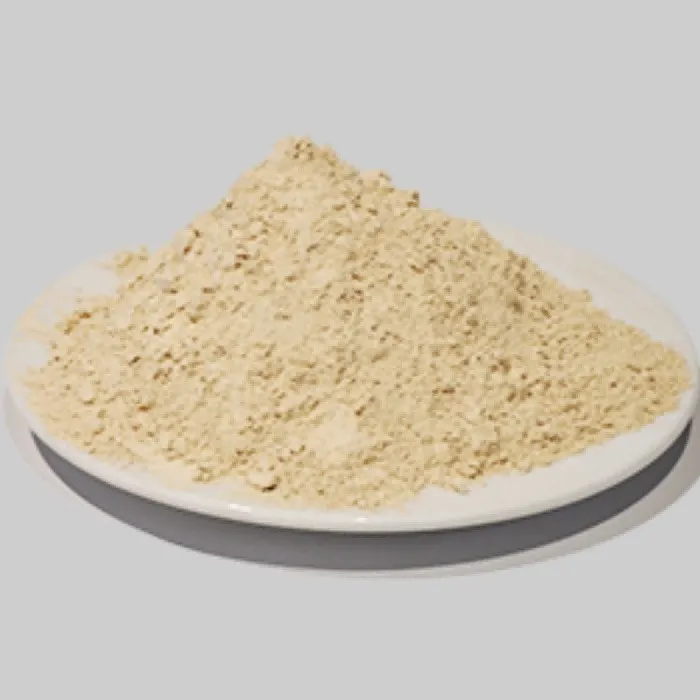
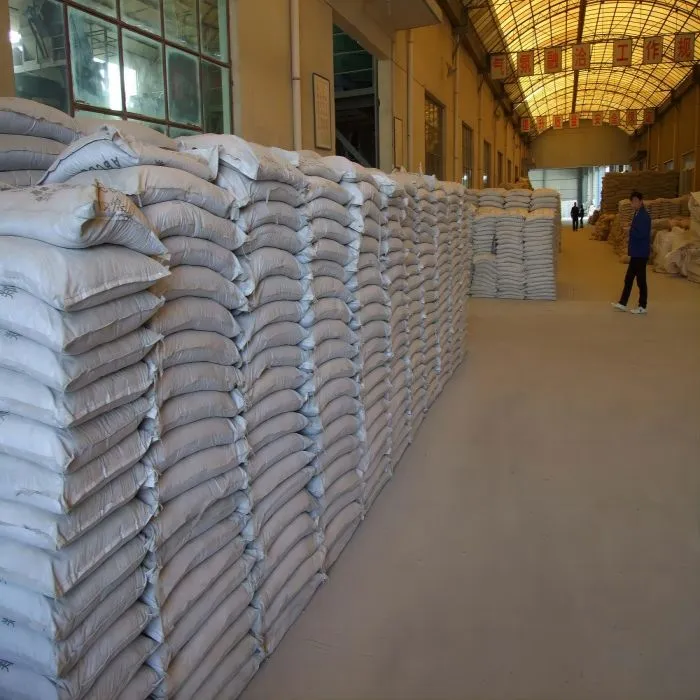
As a refractory mortar supplier, I understand that choosing the right mortar and ensuring its long - term performance is important to you. We offer a wide range of high - quality refractory mortars, including High Alumina Mortar, Fire Resistant Brick Mortar, and Firebrick Mortar Mix. Our products are made with the best raw materials and have been tested to ensure they meet the highest standards.
If you're in the market for refractory mortar or have any questions about its lifespan and usage, feel free to reach out. We're here to help you make the right choice for your specific needs. Whether you're a homeowner looking to repair your fireplace or an industrial operator in need of a large quantity of refractory mortar, we've got you covered.
References
- ASTM International standards for refractory materials
- Industry reports on refractory mortar performance
- Manufacturer's guidelines for refractory mortar products