

What are the environmental impacts of using a tundish shroud?
As a supplier of tundish shrouds, I've spent a significant amount of time delving into the various aspects of these crucial components in the steel - making process. Tundish shrouds play a vital role in ensuring the quality of steel production, but it's equally important to understand their environmental impacts.
1. Raw Material Extraction and Processing
Tundish shrouds are typically made from refractory materials such as alumina, magnesia, and zirconia. The extraction of these raw materials has notable environmental implications. For instance, the mining of bauxite, which is the primary source of alumina, often leads to deforestation and habitat destruction. Large - scale mining operations can disrupt ecosystems, displace wildlife, and cause soil erosion.
The processing of these raw materials into refractory products also consumes a substantial amount of energy. High - temperature firing processes are required to transform the raw materials into the final tundish shroud form. This energy consumption usually comes from non - renewable sources such as coal or natural gas, contributing to greenhouse gas emissions. According to industry reports, the refractory manufacturing sector accounts for a significant portion of industrial carbon emissions due to the energy - intensive nature of the production process.
2. Energy Consumption During Use
During the steel - making process, tundish shrouds are exposed to extremely high temperatures. Maintaining the proper temperature of the molten steel flowing through the shroud requires continuous energy input. The tundish itself needs to be heated to keep the steel in a molten state, and the shroud must withstand these high - temperature conditions without deforming or breaking.
This energy consumption not only adds to the overall cost of steel production but also has a negative environmental impact. The more energy is used, the more fossil fuels are burned, leading to increased emissions of carbon dioxide, sulfur dioxide, and nitrogen oxides. These pollutants contribute to air pollution, acid rain, and global warming. Moreover, the high - energy processes can lead to water pollution if cooling systems are used and not properly managed, as the hot water can be released into water bodies, affecting aquatic life.
3. Waste Generation
Once the tundish shrouds reach the end of their service life, they become waste. These refractory wastes are often difficult to recycle due to their complex chemical composition and the high temperatures they have been exposed to. In many cases, used tundish shrouds end up in landfills.
Landfilling of refractory waste takes up valuable land space and can pose environmental risks. Some of the refractory materials may contain heavy metals or other hazardous substances that can leach into the soil and groundwater over time. This can contaminate water sources and harm the surrounding ecosystem. Additionally, the disposal of large amounts of refractory waste is an inefficient use of resources, as the raw materials that went into making the shrouds are effectively wasted.
4. Impact on Air Quality
During the steel - pouring process, the tundish shroud can be a source of air pollution. The high - temperature interaction between the molten steel and the shroud can cause the release of fine particulate matter. These particles can be inhaled by workers in the steel - making facility and can also be dispersed into the surrounding environment.
In addition, the chemical reactions that occur within the shroud can produce various gases, such as carbon monoxide and volatile organic compounds (VOCs). Carbon monoxide is a toxic gas that can cause health problems for humans, including headaches, dizziness, and in severe cases, death. VOCs can contribute to the formation of ground - level ozone, which is a major component of smog and can cause respiratory problems, especially for children, the elderly, and people with pre - existing respiratory conditions.
5. Mitigation Strategies
As a responsible tundish shroud supplier, we are constantly exploring ways to mitigate the environmental impacts of our products. One approach is to focus on improving the energy efficiency of the manufacturing process. By investing in new technologies and equipment, we can reduce the energy consumption required to produce tundish shrouds. For example, using more advanced kilns with better insulation can reduce heat loss and lower the amount of fuel needed for firing.
Another strategy is to develop more sustainable raw materials. Research is underway to find alternative refractory materials that have a lower environmental impact. Some companies are exploring the use of recycled materials in the production of tundish shrouds. By reusing refractory waste, we can reduce the demand for virgin raw materials and decrease the amount of waste sent to landfills.
We are also working on improving the design of tundish shrouds to reduce air pollution during the steel - pouring process. For instance, we can develop shrouds with better sealing mechanisms to prevent the release of particulate matter and gases. Additionally, we can collaborate with steel - making companies to optimize the steel - pouring process to minimize the environmental impact.
6. Importance in the Steel Industry
Despite the environmental challenges, tundish shrouds are essential in the steel industry. They help to prevent oxidation of the molten steel, reduce the inclusion of impurities, and ensure a smooth and consistent flow of steel into the mold. Without tundish shrouds, the quality of the steel produced would be significantly compromised, leading to more waste and potentially higher energy consumption in the long run.
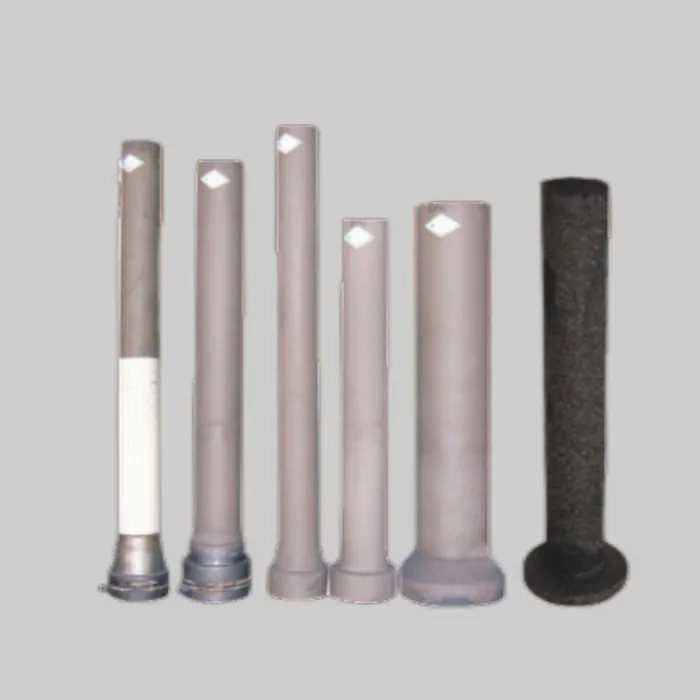
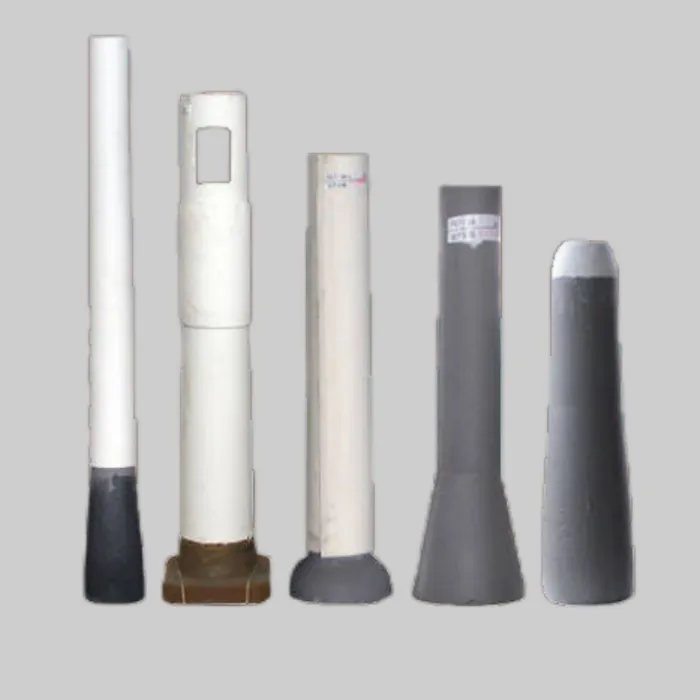
For example, a well - designed tundish shroud can reduce the amount of rework required for steel products, which in turn saves energy and resources. By maintaining the purity of the molten steel, the final steel products can have better mechanical properties, longer service lives, and require less maintenance. This means that although there are environmental impacts associated with tundish shrouds, their use can ultimately contribute to a more sustainable steel - making industry.
7. Related Products and Their Impact
In addition to tundish shrouds, other related products in the steel - making process also have environmental impacts. The Sub Entry Nozzle and Subentry Nozzle are similar to tundish shrouds in that they are made of refractory materials and are used to control the flow of molten steel. These nozzles also require energy - intensive manufacturing processes and can generate waste at the end of their service life.
The Ladle Shroud is another important component. It is used to protect the molten steel as it is transferred from the ladle to the tundish. Like tundish shrouds, ladle shrouds consume energy during use and can contribute to air and waste pollution. However, by optimizing the design and use of these related products, we can further reduce the overall environmental impact of the steel - making process.
Conclusion
As a tundish shroud supplier, I am well - aware of the environmental challenges associated with our products. However, I am also confident that through continuous research, innovation, and collaboration, we can minimize these impacts. The steel industry is a vital part of the global economy, and tundish shrouds are an indispensable component of the steel - making process.
We are committed to developing more sustainable solutions for our customers. If you are in the steel - making industry and are interested in reducing the environmental impact of your operations while maintaining high - quality steel production, I encourage you to contact us for a procurement discussion. Together, we can work towards a more sustainable future for the steel industry.
References
- "Environmental Impact of Refractory Materials in the Steel Industry", Journal of Sustainable Manufacturing, Vol. 15, Issue 2, 2022
- "Energy Efficiency in Refractory Manufacturing", International Energy Agency Report, 2021
- "Waste Management in the Steel - Making Process", Steel Research and Technology Review, Vol. 30, Issue 3, 2020