
Calibrating a sub entry nozzle is a crucial process in the steelmaking industry, especially for ensuring the quality and efficiency of continuous casting operations. As a supplier of Subentry Nozzle, I understand the significance of proper calibration and its impact on the overall performance of the casting process. In this blog, I will share some insights on how to calibrate a sub entry nozzle effectively.
Understanding the Sub Entry Nozzle
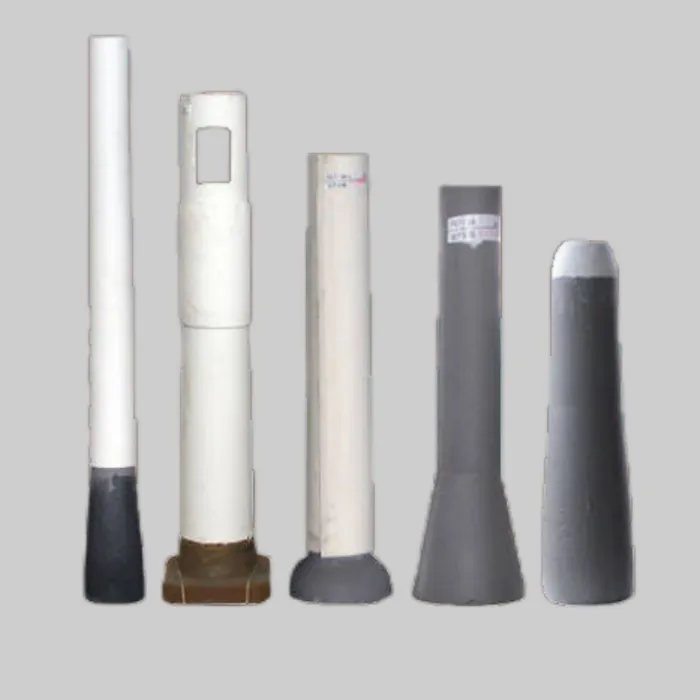
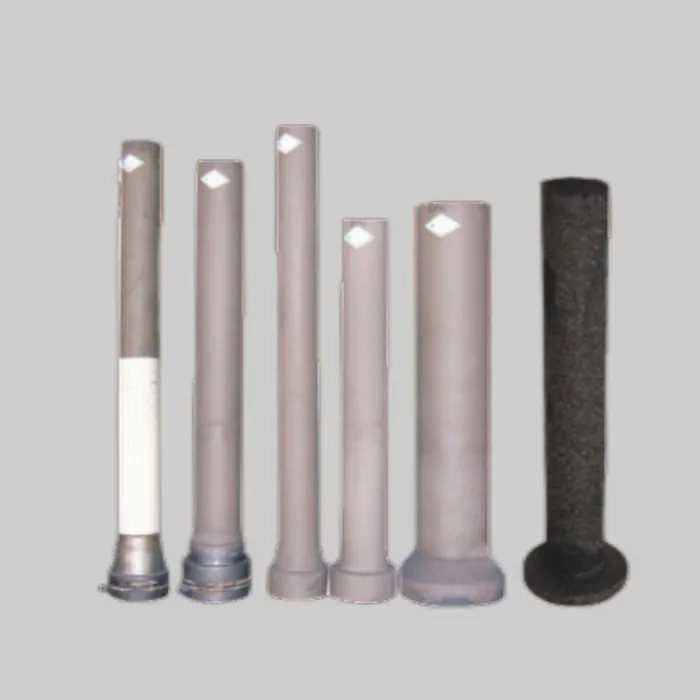
Before diving into the calibration process, it's essential to have a clear understanding of what a sub entry nozzle is and its role in continuous casting. A sub entry nozzle, also known as a SEN, is a refractory tube that is used to control the flow of molten steel from the tundish into the mold during the continuous casting process. It plays a vital role in preventing oxidation, reducing turbulence, and ensuring a smooth and consistent flow of steel into the mold.
The design and dimensions of the sub entry nozzle are critical factors that affect its performance. The nozzle must be carefully selected based on the specific requirements of the casting process, such as the type of steel being cast, the casting speed, and the mold dimensions. Additionally, the nozzle must be installed correctly to ensure proper alignment and prevent any leakage or blockages.
Importance of Calibration
Calibration of the sub entry nozzle is necessary to ensure that it is functioning optimally and delivering the desired flow characteristics. A poorly calibrated nozzle can lead to a variety of problems, including uneven flow distribution, excessive turbulence, and the formation of slag or inclusions in the steel. These issues can result in defects in the final product, such as surface cracks, porosity, and reduced mechanical properties.
Proper calibration of the sub entry nozzle can also improve the efficiency of the casting process by reducing the amount of scrap and rework. By ensuring a consistent and controlled flow of steel into the mold, the calibration process can help to minimize the formation of defects and improve the overall quality of the cast product. Additionally, a well-calibrated nozzle can help to extend the service life of the refractory materials, reducing the need for frequent replacements and maintenance.
Steps for Calibrating a Sub Entry Nozzle
The calibration process for a sub entry nozzle typically involves several steps, which are outlined below:
Step 1: Inspection and Preparation
Before starting the calibration process, it's important to inspect the sub entry nozzle for any signs of damage or wear. Check for cracks, chips, or other defects that could affect the performance of the nozzle. If any damage is found, the nozzle should be replaced or repaired before proceeding with the calibration.
Next, clean the nozzle thoroughly to remove any dirt, debris, or slag that may have accumulated on the surface. Use a suitable cleaning agent and a soft brush to ensure that the nozzle is free from any contaminants.
Step 2: Measuring the Nozzle Dimensions
The next step is to measure the dimensions of the sub entry nozzle to ensure that it meets the specifications of the casting process. Use a caliper or other measuring tool to measure the inner diameter, outer diameter, length, and other critical dimensions of the nozzle. Compare these measurements to the manufacturer's specifications to ensure that the nozzle is within the acceptable tolerance range.
Step 3: Flow Testing
Once the nozzle has been inspected and measured, it's time to perform a flow test to determine its flow characteristics. This can be done using a flow testing apparatus, which typically consists of a pressure source, a flow meter, and a test chamber.
Connect the sub entry nozzle to the flow testing apparatus and apply a known pressure to the inlet of the nozzle. Measure the flow rate of the liquid (usually water or a simulated molten steel) through the nozzle using the flow meter. Record the flow rate and the pressure drop across the nozzle for different flow rates.
Step 4: Adjusting the Nozzle
Based on the results of the flow test, the next step is to adjust the sub entry nozzle to achieve the desired flow characteristics. This may involve making minor modifications to the nozzle, such as adjusting the inner diameter, the shape of the outlet, or the angle of the nozzle.
If the flow rate is too low, the inner diameter of the nozzle may need to be increased. Conversely, if the flow rate is too high, the inner diameter may need to be decreased. The shape of the outlet can also have a significant impact on the flow characteristics of the nozzle. A well-designed outlet can help to reduce turbulence and improve the distribution of the flow.
Step 5: Re-testing
After making any adjustments to the nozzle, it's important to re-test the nozzle to ensure that the desired flow characteristics have been achieved. Repeat the flow test using the same procedure as before and compare the results to the previous test. If the flow characteristics are still not satisfactory, further adjustments may need to be made.
Step 6: Installation and Final Checks
Once the sub entry nozzle has been calibrated and tested, it's ready to be installed in the tundish. Make sure that the nozzle is installed correctly and that it is properly aligned with the mold. Check for any signs of leakage or blockages before starting the casting process.
Before starting the casting process, perform a final check of the nozzle to ensure that it is functioning properly. Monitor the flow rate and the pressure drop across the nozzle during the casting process to ensure that it remains within the acceptable range.
Common Challenges and Solutions
Calibrating a sub entry nozzle can be a challenging process, especially in a real-world industrial environment. Some of the common challenges that may be encountered during the calibration process include:
- Variations in molten steel properties: The properties of molten steel, such as viscosity and density, can vary depending on the type of steel being cast and the casting conditions. These variations can affect the flow characteristics of the sub entry nozzle and make it difficult to achieve consistent calibration results.
- Wear and tear of the nozzle: Over time, the sub entry nozzle can wear out due to the high temperatures and abrasive nature of the molten steel. This can lead to changes in the nozzle dimensions and flow characteristics, requiring frequent calibration and replacement.
- Environmental factors: The calibration process can be affected by environmental factors, such as temperature, humidity, and air pressure. These factors can cause variations in the flow rate and pressure drop across the nozzle, making it difficult to achieve accurate calibration results.
To overcome these challenges, it's important to use high-quality refractory materials for the sub entry nozzle and to follow a regular maintenance schedule. Additionally, it's important to monitor the properties of the molten steel and adjust the calibration parameters accordingly. Using advanced flow testing equipment and techniques can also help to improve the accuracy and reliability of the calibration process.
Conclusion
Calibrating a sub entry nozzle is a critical process in the steelmaking industry that requires careful attention to detail and a thorough understanding of the casting process. By following the steps outlined in this blog, you can ensure that your sub entry nozzle is functioning optimally and delivering the desired flow characteristics.
As a supplier of Sub Entry Nozzle, I am committed to providing high-quality products and services to our customers. If you have any questions or need assistance with calibrating your sub entry nozzle, please don't hesitate to contact us. We have a team of experienced engineers and technicians who can provide you with the support and guidance you need to ensure the success of your casting operations.
References
- "Continuous Casting of Steel" by John Campbell
- "Refractories for Steelmaking" by R. N. Ghosh
- "Flow Control in Continuous Casting" by P. C. Hayes