

How often should gunning mix be replaced? That's a question I get asked a lot as a gunning mix supplier. And let me tell you, it's not a one - size - fits - all answer. There are a bunch of factors that come into play when deciding when to replace your gunning mix, so let's dig into them.
Factors Affecting the Replacement Frequency of Gunning Mix
1. Operating Temperature
One of the most significant factors is the operating temperature. In high - temperature environments, like in steelmaking furnaces, gunning mix takes a real beating. The intense heat can cause the mix to expand, contract, and eventually crack. For example, in an electric arc furnace (EAF), where temperatures can soar above 1600°C, the gunning mix degrades much faster compared to a ladle, which usually operates at lower temperatures.
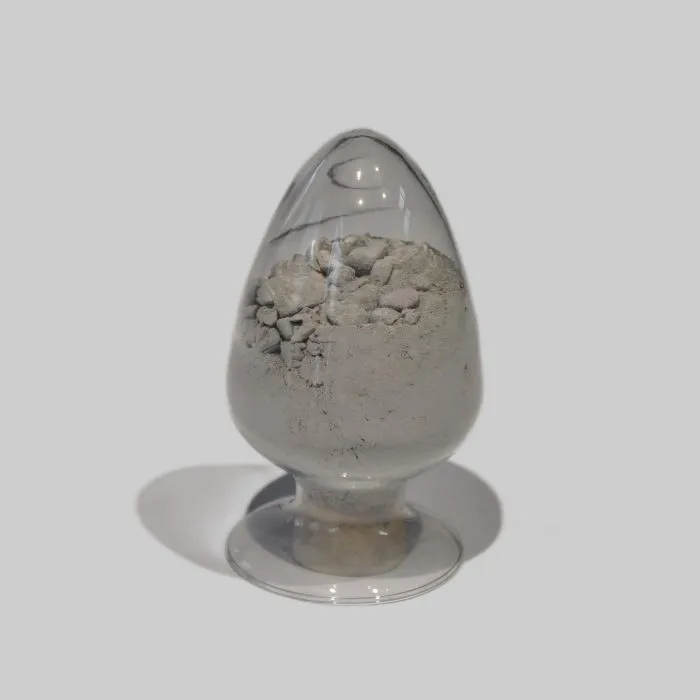
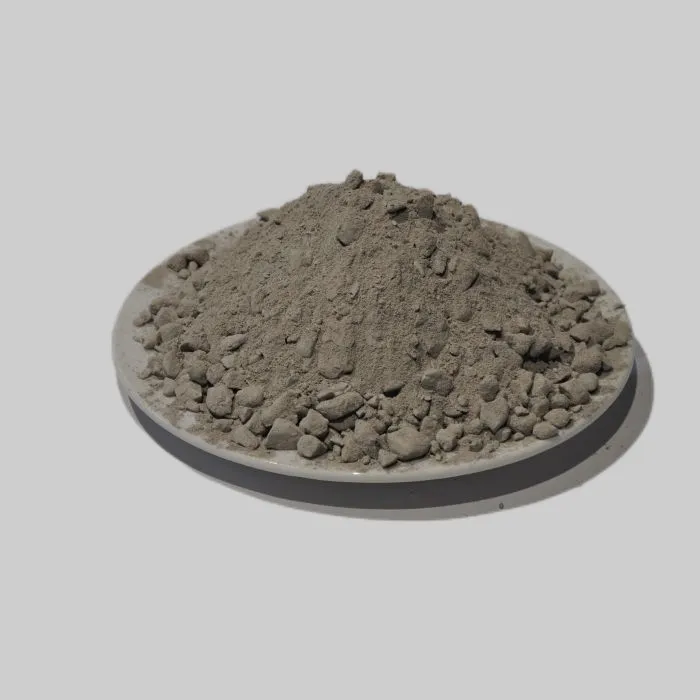
In an EAF, the Hot Patching EAF Gunning Mix I supply is designed to withstand high temperatures. But even with its excellent heat - resistant properties, it still needs to be monitored closely. Generally, in a high - intensity EAF operation, the gunning mix might need to be replaced every few weeks or even days if the furnace is running continuously at full capacity.
On the other hand, a ladle using Ladle Gunning Mix can go a bit longer between replacements. Since the ladle temperature is relatively lower, the mix can last anywhere from a few months to half a year, depending on usage.
2. Chemical Exposure
Another factor is the chemical environment. Different industrial processes expose the gunning mix to various chemicals. In the steel industry, for instance, the molten metal contains elements like sulfur, phosphorus, and oxygen. These chemicals can react with the gunning mix, causing it to corrode and lose its integrity.
If the industrial process involves a lot of acidic or alkaline substances, the gunning mix will break down more quickly. A plant that processes high - sulfur ores, for example, will need to replace the gunning mix more often. In such a case, regular inspections are crucial. You might find that the gunning mix needs to be replaced every couple of months to maintain the lining's effectiveness.
3. Usage Intensity
How often the equipment is used also matters. A furnace that runs 24/7 will wear out the gunning mix much faster than one that operates only part - time. If a facility has multiple shifts and the furnace is constantly in use, the gunning mix is under continuous stress. The mechanical impact of the molten metal, as well as the repeated heating and cooling cycles, can cause the mix to deteriorate rapidly.
In a busy steel mill, the operators might notice signs of wear, such as spalling or thinning of the gunning mix lining, within a short period. In this situation, replacement could be necessary every few weeks. However, a smaller operation with less frequent usage might be able to stretch the replacement interval to a few months.
4. Quality of the Gunning Mix
The quality of the gunning mix itself plays a huge role. Higher - quality mixes are formulated with better raw materials and advanced manufacturing processes. They are more resistant to heat, chemicals, and mechanical stress.
When you choose a top - notch gunning mix from a reliable supplier (ahem, like me), you can expect a longer service life. A high - quality ladle gunning mix might last up to 50% longer than a lower - quality alternative. But even with a great product, you still need to keep an eye on its condition.
Signs That Gunning Mix Needs Replacement
1. Visual Inspection
The first way to tell if the gunning mix needs replacement is through visual inspection. Look for cracks, spalling (where pieces of the mix break off), or thinning of the lining. If you see large cracks or significant areas of spalling, it's a clear sign that the mix is no longer providing adequate protection.
In a furnace, these signs can be spotted during routine maintenance checks. If you notice that the gunning mix is starting to expose the underlying refractory material, it's time to act.
2. Performance Degradation
Another sign is a change in the performance of the equipment. If you notice a drop in the efficiency of the furnace or ladle, such as longer heating times or inconsistent temperatures, it could be due to a failing gunning mix. The mix is supposed to insulate the equipment, and if it's not working properly, heat can escape, leading to energy losses and reduced productivity.
3. Increased Maintenance Requirements
If you find yourself having to do more frequent repairs or patching of the gunning mix, it's a red flag. Minor repairs are normal, but if you're constantly patching up the same areas, it means the mix is nearing the end of its useful life.
Best Practices for Extending Gunning Mix Life
1. Proper Installation
Proper installation is key to getting the most out of your gunning mix. Make sure the surface is clean and dry before applying the mix. Follow the manufacturer's instructions carefully, including the correct application method and thickness. A well - installed gunning mix will adhere better and last longer.
2. Regular Maintenance
Regular maintenance is essential. Conduct visual inspections on a regular basis, and clean the gunning mix surface to remove any debris or chemical deposits. Small repairs can be made as soon as you notice minor damage, which can prevent larger problems down the road.
3. Training for Operators
Train your operators on the proper use of the equipment. Operators should be aware of the factors that can affect the gunning mix and how to operate the equipment in a way that minimizes wear. For example, they should avoid sudden temperature changes or overloading the furnace.
Conclusion
So, how often should gunning mix be replaced? As you can see, it depends on a variety of factors, including operating temperature, chemical exposure, usage intensity, and the quality of the mix. By keeping an eye out for the signs of wear and following best practices for installation and maintenance, you can optimize the replacement schedule and get the most value from your gunning mix.
If you're in the market for high - quality gunning mix or have any questions about replacement intervals, feel free to reach out. I'm here to help you make the right choices for your industrial operations.
References
- Steel Industry Handbook: Refractory Materials
- Journal of Industrial Ceramics and Refractories
- Manufacturer's Guides for Gunning Mix Products