

When it comes to the steelmaking process, choosing the right subentry nozzle is a crucial decision that can significantly impact the quality and efficiency of production. As a supplier of subentry nozzles, I understand the importance of this choice and am here to guide you through the process.
Understanding the Role of Subentry Nozzles
Subentry nozzles play a vital role in the continuous casting process of steel. They are used to control the flow of molten steel from the tundish into the mold, ensuring a smooth and stable casting operation. The design and material of the subentry nozzle can affect the quality of the steel product, including its surface finish, internal structure, and overall purity.
Factors to Consider When Choosing a Subentry Nozzle
1. Material Compatibility
The material of the subentry nozzle must be compatible with the molten steel being cast. Different types of steel have different chemical compositions and temperatures, which can react with the nozzle material. For example, high - carbon steels may require a nozzle material that is resistant to corrosion and erosion. Common materials for subentry nozzles include alumina - graphite, zirconia - graphite, and magnesia - carbon. Each material has its own advantages and disadvantages in terms of thermal shock resistance, corrosion resistance, and mechanical strength.
2. Flow Characteristics
The flow of molten steel through the subentry nozzle is critical for achieving a uniform and defect - free casting. The nozzle design should ensure a laminar flow of steel, minimizing turbulence and the formation of air bubbles. Factors such as the nozzle bore size, shape, and length can all affect the flow characteristics. A well - designed nozzle will also help to prevent clogging, which can disrupt the casting process and lead to product defects.
3. Thermal Performance
The subentry nozzle is exposed to extremely high temperatures during the casting process. It must be able to withstand thermal shock and maintain its structural integrity. A nozzle with good thermal performance will have a low coefficient of thermal expansion, which helps to prevent cracking and spalling. Additionally, the material should have high thermal conductivity to dissipate heat effectively.
4. Wear Resistance
The constant flow of molten steel can cause significant wear on the subentry nozzle. A wear - resistant nozzle will have a longer service life, reducing the need for frequent replacements and minimizing production downtime. The choice of material and the surface treatment of the nozzle can greatly influence its wear resistance.
5. Cost - Effectiveness
While quality is of utmost importance, cost - effectiveness is also a key consideration. You need to balance the initial cost of the subentry nozzle with its expected service life and performance. A more expensive nozzle may offer better performance and longer service life, but it may not always be the most cost - effective option for your specific production requirements.
Our Product Range
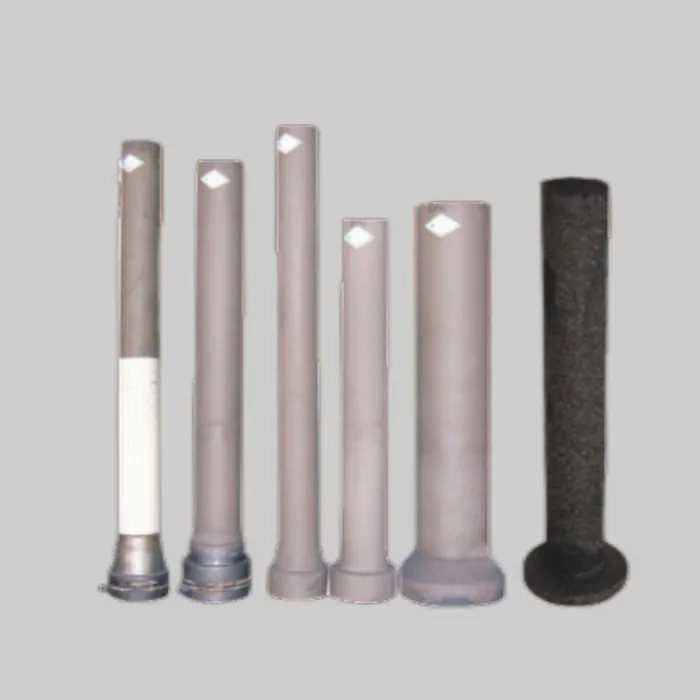
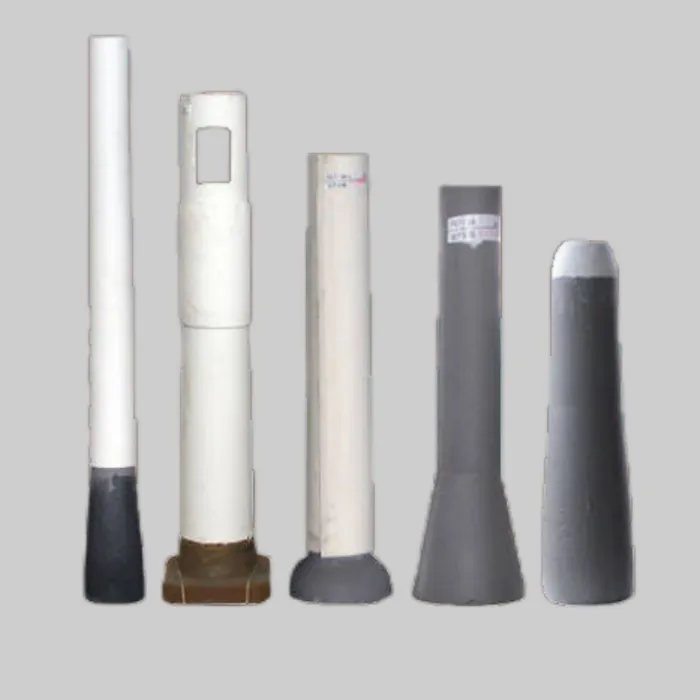
As a supplier, we offer a wide range of subentry nozzles to meet the diverse needs of the steel industry. Our products are made from high - quality materials and are designed to provide optimal performance in various casting applications.
Alumina - Graphite Subentry Nozzles
These nozzles are known for their excellent thermal shock resistance and corrosion resistance. They are suitable for casting a wide range of steels, including carbon steels and low - alloy steels. The alumina - graphite composition provides good mechanical strength and wear resistance, ensuring a long service life. You can find more information about our alumina - graphite subentry nozzles on our Subentry Nozzle page.
Zirconia - Graphite Subentry Nozzles
Zirconia - graphite nozzles offer superior corrosion resistance and thermal insulation properties. They are particularly suitable for casting high - quality steels, such as stainless steels and tool steels. The zirconia content helps to reduce the reaction between the molten steel and the nozzle material, resulting in a cleaner and more uniform casting.
Magnesia - Carbon Subentry Nozzles
Magnesia - carbon nozzles are highly resistant to slag attack and thermal shock. They are commonly used in the casting of large - section steel products, where the nozzle is exposed to harsh operating conditions. The magnesia - carbon composition provides excellent mechanical strength and wear resistance, making these nozzles a reliable choice for heavy - duty applications.
Complementary Products
In addition to subentry nozzles, we also supply other important refractory products for the steelmaking process, such as Ladle Shroud and Monolithic Stopper. Ladle shrouds are used to protect the molten steel from oxidation and contamination during the transfer from the ladle to the tundish. Monolithic stoppers are used to control the flow of molten steel from the tundish into the subentry nozzle.
Technical Support and Customization
We understand that every steelmaking operation is unique, and you may have specific requirements for your subentry nozzles. That's why we offer technical support to help you choose the right product for your application. Our team of experts can provide advice on nozzle selection, installation, and maintenance. We also offer customization services to meet your exact specifications. Whether you need a specific bore size, shape, or material, we can work with you to develop a tailored solution.
Contact Us for Procurement
If you are interested in learning more about our subentry nozzles or would like to discuss your specific requirements, we encourage you to contact us. Our sales team is ready to assist you with any questions you may have and to provide you with a competitive quote. Making the right choice in subentry nozzles can have a profound impact on the quality and efficiency of your steel production. With our high - quality products, technical expertise, and commitment to customer service, we are confident that we can help you find the perfect solution for your needs.
References
- Steelmaking Handbook, published by the Steel Industry Association
- Journal of Refractory Materials, various issues on subentry nozzle research and development