

Hey there! As a supplier of CCM (Continuous Casting Machine) refractories, I've seen firsthand how crucial it is to maintain these materials properly to extend their service life. In this blog, I'll share some practical tips and tricks that can help you get the most out of your CCM refractories.
Understanding CCM Refractories
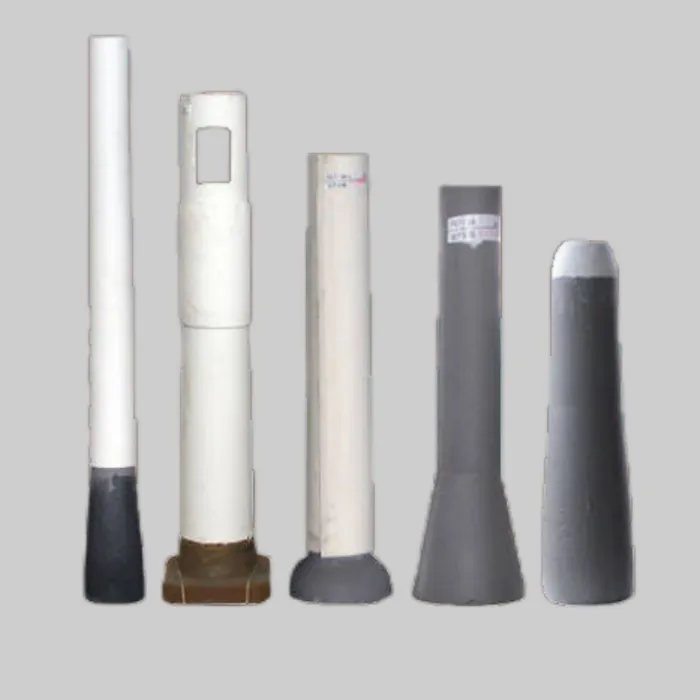
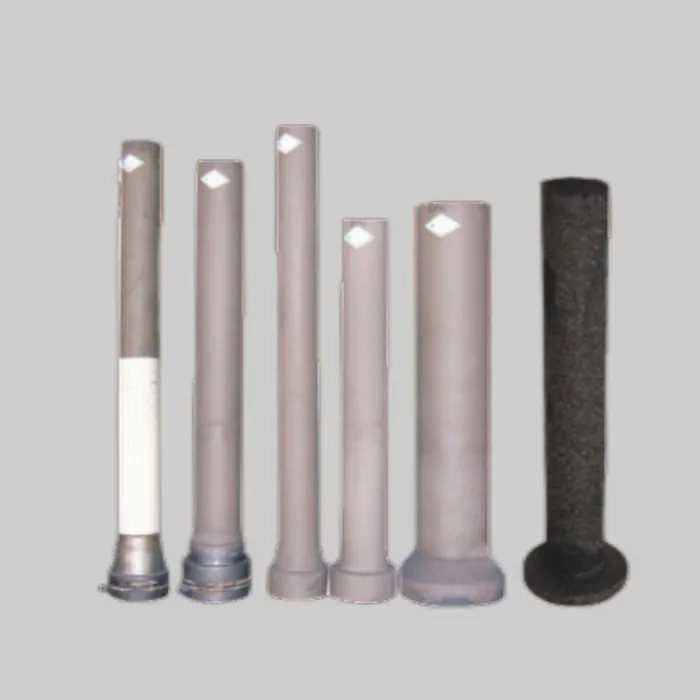
Before we dive into maintenance, let's quickly go over what CCM refractories are. These are specialized materials used in continuous casting processes to line the various components of a continuous casting machine. They need to withstand high temperatures, mechanical stress, and chemical reactions. Some common types of CCM refractories include Ladle Shroud, Well Blcok, and Subentry Nozzle.
Pre - Installation Maintenance
-
Storage Conditions
- When your CCM refractories arrive at your facility, proper storage is the first step in maintenance. Store them in a dry environment. Moisture can cause cracks and deterioration in the refractories over time. If possible, keep them in a climate - controlled warehouse. Avoid storing them directly on the ground; use pallets to prevent contact with moisture from the floor.
- Also, protect them from physical damage. Stack them carefully, making sure not to overload the bottom layers. If they're stored in racks, ensure the racks are sturdy enough to hold the weight without causing any deformation.
-
Inspection Before Installation
- Before installing the refractories, conduct a thorough inspection. Look for any visible cracks, chips, or other defects. Even a small crack can grow under the extreme conditions of continuous casting and lead to premature failure. Check the dimensions as well to ensure they fit properly in the casting machine. If you find any damaged refractories, don't install them. Instead, contact your supplier (like me!) to arrange for replacements.
Installation Process
-
Proper Installation Techniques
- Follow the manufacturer's installation instructions precisely. This includes the correct way to position the refractories, the type of mortar or bonding agent to use, and the curing process. Incorrect installation can lead to poor performance and a shorter service life.
- For example, when installing Ladle Shroud, make sure it is centered correctly. Any misalignment can cause uneven wear and tear, reducing its effectiveness in protecting the molten metal stream.
-
Joint Sealing
- Pay close attention to the joints between the refractories. Proper joint sealing is essential to prevent the leakage of molten metal and gases. Use high - quality sealing materials that can withstand the high temperatures and chemical environment. A well - sealed joint also helps to maintain the structural integrity of the refractory lining.
In - Use Maintenance
-
Temperature Control
- One of the most important factors in maintaining CCM refractories is controlling the temperature. Rapid temperature changes can cause thermal shock, which leads to cracking. During the start - up and shut - down of the continuous casting machine, follow a slow and controlled heating and cooling process.
- Use temperature sensors to monitor the temperature of the refractories. If the temperature exceeds the recommended range, take immediate action to adjust the process. This might involve reducing the flow of molten metal or adjusting the cooling system.
-
Chemical Protection
- Molten metals and slag can have a corrosive effect on CCM refractories. To protect them, use slag conditioners and additives. These can help to reduce the chemical attack on the refractories. Also, make sure to keep the composition of the molten metal within the recommended limits. A high concentration of certain elements can increase the corrosion rate.
- Regularly analyze the slag and molten metal to monitor the chemical composition. Based on the results, adjust the additives and process parameters as needed.
-
Regular Cleaning
- Over time, deposits can build up on the surface of the refractories. These deposits can affect the heat transfer and the flow of molten metal. Use appropriate cleaning methods to remove these deposits. However, be careful not to damage the refractories during cleaning.
- For light deposits, you can use mechanical cleaning methods like brushing or scraping. For more stubborn deposits, chemical cleaning agents might be required. Make sure to choose agents that are compatible with the refractories.
Post - Use Maintenance
-
Cooling and Inspection
- After the continuous casting process is completed, allow the refractories to cool down slowly. This helps to prevent thermal shock and further damage. Once they're cooled, conduct another inspection. Look for any signs of wear, corrosion, or new cracks.
- If you notice any issues, document them in detail. This information can be useful for future maintenance and for communicating with your supplier. It can also help in identifying patterns of failure and making improvements to the process.
-
Reuse and Recycling Considerations
- In some cases, refractories can be reused or recycled. If the damage is minor, they can be repaired and reused in less critical areas of the casting machine. Recycling refractories is also an environmentally friendly option. It can reduce waste and save costs.
- However, not all refractories are suitable for reuse or recycling. Consult with your supplier to determine the best course of action for your used refractories.
Monitoring and Record - Keeping
-
Continuous Monitoring
- Implement a continuous monitoring system for your CCM refractories. This can include temperature sensors, vibration sensors, and acoustic sensors. These sensors can detect early signs of problems such as cracks, erosion, or abnormal heat transfer.
- By monitoring the refractories in real - time, you can take proactive measures to prevent failures. For example, if the temperature in a certain area of the refractory lining starts to rise abnormally, you can investigate the cause and take corrective action before it leads to a major issue.
-
Record - Keeping
- Keep detailed records of the maintenance activities, including installation dates, inspection results, cleaning schedules, and any repairs or replacements. These records can help you track the performance of the refractories over time. You can use this data to predict when maintenance or replacement will be needed in the future.
Conclusion
Maintaining CCM refractories is a multi - step process that starts from the moment they arrive at your facility and continues throughout their service life. By following these tips, you can significantly extend the service life of your refractories, reduce downtime, and save costs in the long run.
If you have any questions about CCM refractories or need help with maintenance, don't hesitate to reach out. As a supplier, I'm here to support you and ensure you get the best performance from your refractories. Whether you're looking to purchase new refractories or need advice on maintaining your existing ones, I'm just a message away. Let's work together to optimize your continuous casting process!
References
- ASTM International. "Standard Practices for Sampling and Testing Refractory Materials."
- Industry guidelines on continuous casting machine operation and refractory maintenance.