
Hey there! As a zirconia nozzle supplier, I get asked all the time, "How do I choose the right zirconia nozzle for my application?" Well, you've come to the right place. In this blog, I'll break down the key factors you need to consider when making this important decision.
Understanding Zirconia Nozzles
First off, let's talk a bit about zirconia nozzles. Zirconia, also known as zirconium dioxide, is a super tough and heat - resistant material. That's why it's so popular for making nozzles in a bunch of different industries. These nozzles can handle high temperatures, resist wear and tear, and are chemically stable. All these features make them ideal for a wide range of applications.
Factors to Consider When Choosing a Zirconia Nozzle
1. Application Type
The type of application you're using the nozzle for is crucial. Different industries have different requirements. For example, in the steel industry, nozzles are used in continuous casting processes. Zirconium Sizing Nozzle is often used to control the flow of molten steel. These nozzles need to be able to withstand the extremely high temperatures of molten metal and also resist corrosion from the metal and slag.
On the other hand, in the glass industry, nozzles are used for glass fiber production. They need to have precise dimensions to ensure a consistent flow of molten glass and produce high - quality fibers.
If you're in the chemical industry, Refractory Collector Nozzle might be your go - to. These nozzles are used in processes where they come into contact with corrosive chemicals. So, they need to have excellent chemical resistance.
2. Temperature Requirements
Zirconia nozzles can handle high temperatures, but different grades of zirconia have different temperature limits. You need to know the maximum temperature your nozzle will be exposed to. For applications with very high temperatures, like in some metal - melting processes, you'll need a high - purity zirconia nozzle. These nozzles can withstand temperatures up to 2500°C or even higher.
If the temperature is relatively lower, say in some small - scale laboratory applications, you might be able to get away with a lower - grade zirconia nozzle. But always make sure to choose a nozzle that can handle the temperature range of your specific application.
3. Flow Rate and Pressure
The flow rate and pressure of the fluid or gas passing through the nozzle are also important. If you need a high flow rate, you'll need a nozzle with a larger orifice size. But keep in mind that changing the orifice size can also affect the pressure.
For applications with high pressure, the nozzle needs to be strong enough to withstand the force. A well - designed zirconia nozzle can handle high - pressure situations, but you need to make sure it's the right one for your pressure requirements. For example, in some high - pressure spraying applications, the nozzle needs to be able to maintain a stable spray pattern under high pressure.
4. Chemical Compatibility
As I mentioned earlier, if your nozzle is going to be in contact with chemicals, it needs to be chemically compatible. Different chemicals can react with zirconia in different ways. Some chemicals might cause corrosion or degradation of the nozzle material.
Before choosing a nozzle, find out what chemicals it will come into contact with. If you're dealing with acidic or alkaline substances, you need to choose a zirconia nozzle that has good resistance to those types of chemicals. For example, in a chemical processing plant where there are strong acids, a special - coated zirconia nozzle might be necessary to prevent chemical attack.
5. Precision and Tolerance
In some applications, precision is key. For example, in the semiconductor industry, Tundish Nozzle is used in processes where very precise control of the flow of molten materials is required. These nozzles need to have very tight tolerances in terms of their dimensions and shape.
If your application requires high precision, make sure to choose a nozzle that can meet those tolerance requirements. A nozzle with poor precision can lead to inconsistent results and even affect the quality of your final product.
6. Wear Resistance
If the fluid or gas passing through the nozzle contains abrasive particles, the nozzle needs to have good wear resistance. Zirconia is already a very hard material, but different manufacturing processes can affect its wear - resistant properties.
For applications like sandblasting, where abrasive particles are used to clean or shape surfaces, you need a zirconia nozzle that can withstand the constant abrasion. A wear - resistant nozzle will last longer and save you money in the long run.
Cost - Benefit Analysis
Of course, cost is always a factor. Zirconia nozzles can vary in price depending on their quality, size, and features. While it might be tempting to go for the cheapest option, it's important to consider the long - term benefits.
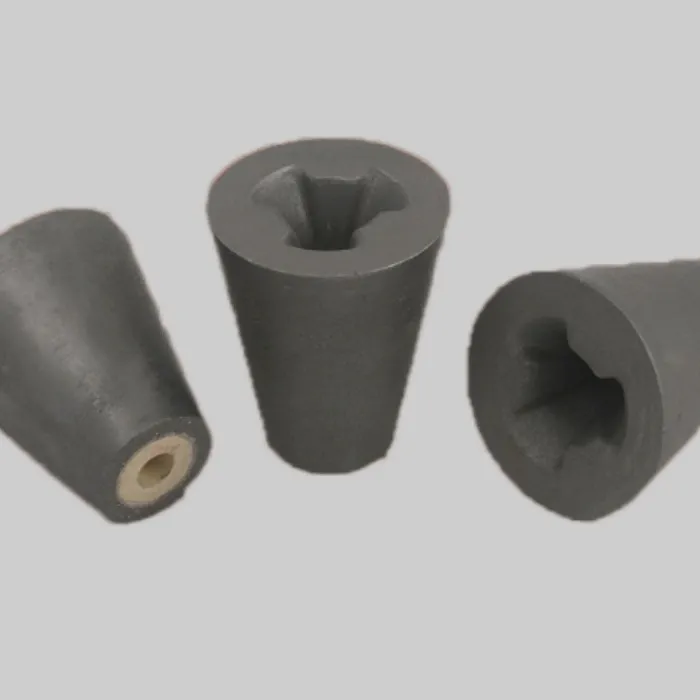
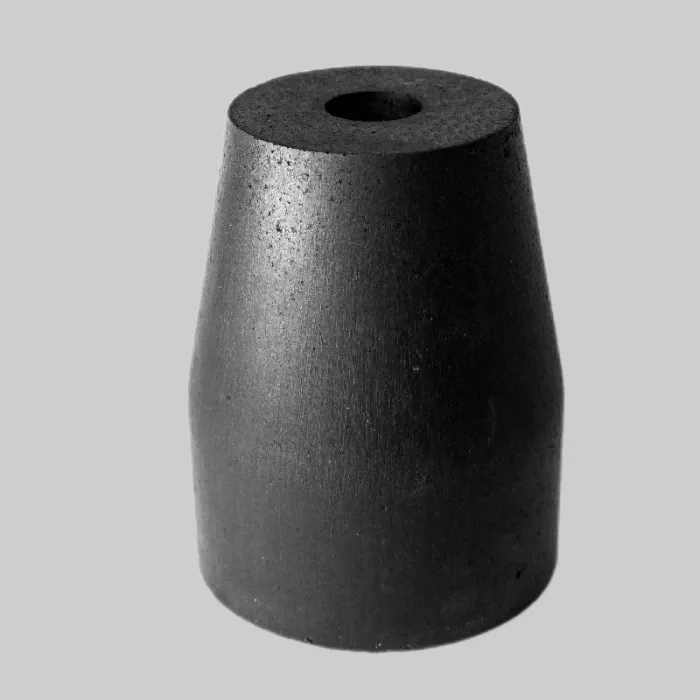
A high - quality zirconia nozzle might cost more upfront, but it will likely last longer, require less maintenance, and provide better performance. On the other hand, a cheap nozzle might break down quickly, leading to more frequent replacements and potentially affecting your production process.
Do a cost - benefit analysis for your specific application. Look at the total cost of ownership, including the purchase price, maintenance costs, and the impact on your production efficiency.
Where to Get the Right Zirconia Nozzle
As a zirconia nozzle supplier, I can tell you that finding the right nozzle is not always easy. But with the right knowledge and a reliable supplier, you can make the right choice.
When you're looking for a supplier, make sure they have a good reputation. Check their customer reviews and see what other people are saying about their products. A good supplier should be able to provide you with detailed information about their nozzles, including technical specifications and performance data.
They should also be able to offer you customization options. If your application has unique requirements, a supplier that can customize the nozzle for you is a big plus.
Conclusion
Choosing the right zirconia nozzle for your application is a multi - faceted decision. You need to consider factors like application type, temperature requirements, flow rate and pressure, chemical compatibility, precision, and wear resistance.
By taking the time to evaluate these factors and doing a cost - benefit analysis, you can find the perfect zirconia nozzle for your needs. And if you're still not sure, don't hesitate to reach out to a professional supplier. We're here to help you make the right choice.
If you're interested in purchasing zirconia nozzles for your application, feel free to contact us. We can provide you with more information and help you find the best nozzle for your specific requirements. Let's work together to ensure your operations run smoothly and efficiently.
References
- "Advanced Ceramics: Materials, Applications, Processing" by John B. Wachtman Jr.
- "Ceramic Materials: Science and Engineering" by W. D. Kingery, H. K. Bowen, and D. R. Uhlmann.
- Industry reports on zirconia nozzle applications in steel, glass, and chemical industries.