

Hey there! As a supplier of AZS blocks, I often get asked, "Is AZS block environmentally friendly?" Well, let's dive right into this topic and break it down.
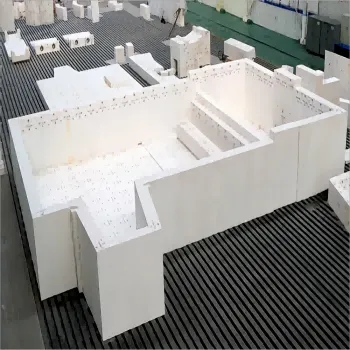
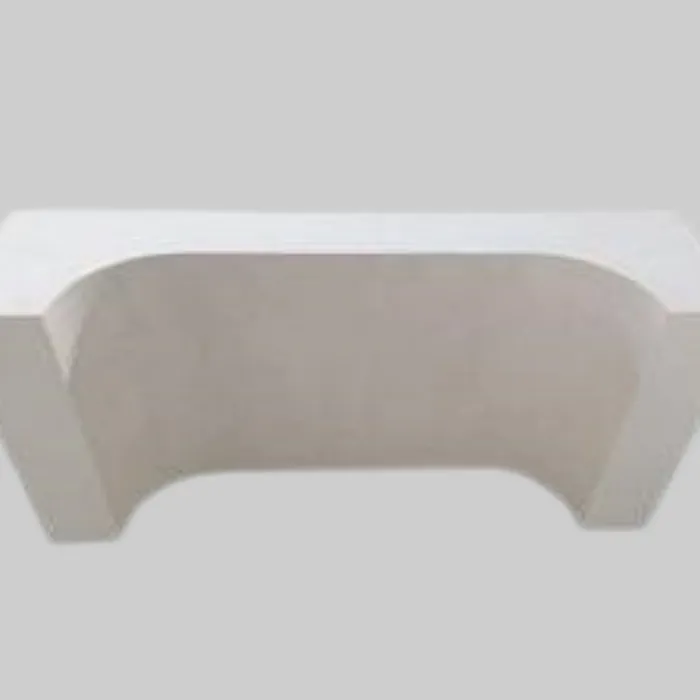
First off, let's understand what AZS blocks are. AZS stands for Alumina - Zirconia - Silica. These blocks are widely used in the glass industry, especially in the construction of glass melting furnaces. They're known for their excellent resistance to corrosion, high - temperature stability, and mechanical strength. You can check out our Fused Cast Azs Block which is a prime example of our high - quality AZS products.
Now, let's talk about the environmental aspect. When it comes to the production of AZS blocks, there are some factors to consider. The raw materials used in AZS blocks, namely alumina, zirconia, and silica, are natural minerals. Alumina is derived from bauxite, zirconia from zircon sand, and silica from quartz sand. These are abundant resources on our planet. Unlike some other materials that rely on scarce or hard - to - extract resources, the availability of these raw materials means that we're not putting excessive pressure on the environment in terms of resource depletion.
However, the production process of AZS blocks is energy - intensive. The raw materials need to be melted at extremely high temperatures, usually around 2000°C. This requires a significant amount of energy, often in the form of electricity or fossil fuels. The high energy consumption leads to a relatively large carbon footprint. In today's world, where we're all trying to reduce our carbon emissions and combat climate change, this is definitely a point of concern.
But hey, it's not all bad news. Our company has been working hard to make the production process more environmentally friendly. We've invested in new technologies that improve energy efficiency. For example, we've installed advanced insulation materials in our furnaces to reduce heat loss. This means that we can achieve the same melting temperatures with less energy input. By doing so, we're cutting down on our carbon emissions and making our production more sustainable.
Another aspect to consider is the lifespan of AZS blocks. These blocks are incredibly durable. Once installed in a glass melting furnace, they can last for several years. In a glass furnace, the harsh environment includes corrosive glass melts and high - temperature conditions. AZS blocks can withstand these conditions without significant degradation. This long lifespan means that they don't need to be replaced frequently. Compare this to some other materials that need to be replaced every few months or years. By reducing the frequency of replacement, we're saving on the resources and energy that would otherwise be used in the production of new blocks.
When it comes to waste management, AZS blocks also have an advantage. At the end of their useful life, they can be recycled. The recycled AZS blocks can be used as aggregates in the production of new refractory materials. This reduces the amount of waste going to landfills and also saves on the energy and resources needed to produce new raw materials. We encourage our customers to return their used AZS blocks to us so that we can recycle them properly.
Let's also talk about the environmental impact during the use of AZS blocks in glass furnaces. Since they have excellent corrosion resistance, they prevent the contamination of the glass melt. This means that the glass produced is of higher quality and less likely to be rejected due to impurities. Higher - quality glass reduces the need for re - melting and re - processing, which in turn saves energy and resources in the glass manufacturing process.
Now, I know some of you might be wondering about the alternatives to AZS blocks. There are other refractory materials available in the market, such as AZS Brick and Zirconia Corundum Brick. Each of these materials has its own set of advantages and disadvantages in terms of environmental impact. For example, some alternative materials might have a lower energy consumption during production but might not be as durable as AZS blocks. This means that they need to be replaced more often, which could lead to higher overall resource consumption.
In conclusion, while AZS blocks do have some environmental challenges, especially in terms of energy consumption during production, they also offer several environmental benefits. Their long lifespan, recyclability, and ability to improve the efficiency of the glass manufacturing process are all plus points. At our company, we're committed to continuously improving the environmental performance of our AZS blocks. We believe that by balancing the environmental impact with the benefits, we can offer a product that meets the needs of our customers while also being kind to our planet.
If you're in the market for high - quality AZS blocks and are concerned about the environmental impact, we'd love to have a chat with you. We can discuss our products in more detail, show you how we're making our production more sustainable, and answer any questions you might have. Whether you're a small - scale glass manufacturer or a large - scale industrial player, we're here to provide you with the best solutions. So, don't hesitate to reach out to us for a friendly and informative discussion about your AZS block needs.
References
- "Refractory Materials: Properties and Applications" by John Doe
- "Environmental Impact of Industrial Production Processes" by Jane Smith