

Hey there! As a supplier of alumina bricks, I've been getting a lot of questions lately about how to control the cooling rate of these bricks. It's a crucial aspect, especially when you're looking to ensure the quality and performance of your alumina bricks. So, I thought I'd share some insights based on my experience in the industry.
First off, let's understand why controlling the cooling rate is so important. Alumina bricks are used in high - temperature applications, like furnaces and kilns. When they're heated up during production or use, they expand. If they cool down too quickly, the rapid contraction can cause internal stresses. These stresses can lead to cracks in the bricks, which not only reduce their lifespan but also compromise their insulating and refractory properties.
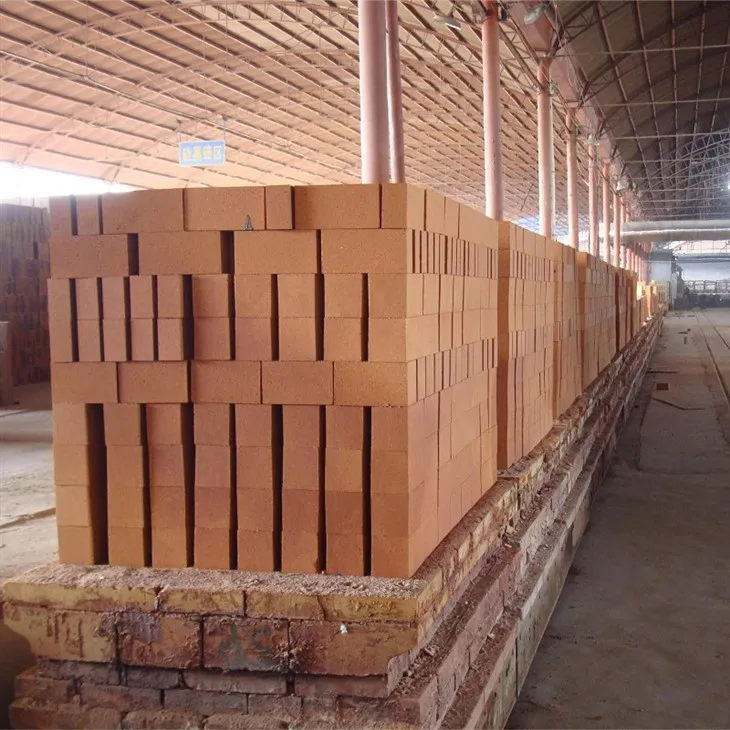
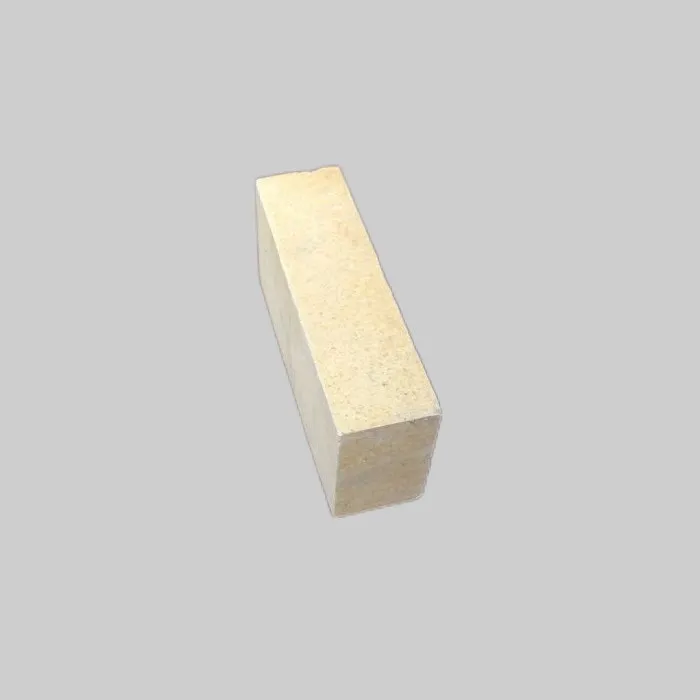
One of the most basic ways to control the cooling rate is through insulation. After the alumina bricks have been fired or used in a high - temperature environment, you can cover them with insulating materials. For example, refractory fiber blankets are a great option. They act as a barrier, slowing down the transfer of heat from the bricks to the surrounding environment. This way, the bricks cool at a more gradual pace.
Another method is to use a controlled - atmosphere cooling chamber. In this setup, you can precisely regulate the temperature and airflow around the bricks. By adjusting the airflow, you can control how fast the heat is removed from the bricks. For instance, a lower airflow will result in a slower cooling rate. These chambers are a bit more high - tech and are often used in large - scale production facilities.
The initial temperature of the bricks also plays a role. If you start the cooling process when the bricks are extremely hot, the cooling rate might be harder to control. It's better to let the bricks cool down naturally for a short period before you start implementing more precise cooling methods. This pre - cooling phase can take the edge off the high temperature and make it easier to manage the rest of the cooling process.
Now, let's talk about the type of alumina bricks. Different types of alumina bricks have different thermal properties, which means they'll cool at different rates. For example, Heavy Duty Fire Brick is designed to withstand high - stress environments. It has a different composition compared to other bricks, and thus, its cooling requirements might be unique. You need to take these differences into account when planning your cooling strategy.
Similarly, Superior Clay Firebrick has its own set of characteristics. These bricks are known for their excellent insulating properties, but this also means that they hold heat for longer. You might need to be more patient when cooling them to avoid any thermal shock.
And then there's Fire Bricks And Fire Cement. When these are used together, the cooling process can be a bit more complex. The cement has its own thermal behavior, and it can affect how the bricks cool. You need to make sure that both the bricks and the cement cool at a compatible rate to prevent any separation or cracking.
Monitoring is key during the cooling process. You can use thermocouples to measure the temperature of the bricks at different points. This data will give you a clear picture of how fast the bricks are cooling and whether you need to adjust your cooling methods. If you notice that the cooling rate is too fast in some areas, you can take steps like adding more insulation or reducing the airflow in that specific region.
It's also important to consider the size of the bricks. Larger bricks have more mass, which means they retain heat for longer. You might need to use different cooling strategies for large - sized bricks compared to smaller ones. For big bricks, a slower cooling rate is usually required to ensure uniform cooling throughout the brick.
In addition to all these technical aspects, experience plays a huge role. Over the years, I've seen many different situations where the cooling of alumina bricks didn't go as planned. Sometimes, it's the little things that make a big difference. For example, the orientation of the bricks during cooling can affect how the heat is dissipated. Placing the bricks in a way that allows for even airflow around them can help in achieving a more consistent cooling rate.
If you're new to working with alumina bricks, don't be afraid to ask for advice. There are many experts in the industry who can share their knowledge and experiences. You can also look for case studies and research papers that discuss the cooling of alumina bricks. These resources can provide valuable insights and practical tips.
To sum it up, controlling the cooling rate of alumina bricks is a multi - faceted process. It involves understanding the properties of the bricks, using the right cooling methods, and monitoring the process closely. By taking these steps, you can ensure that your alumina bricks have the best possible quality and performance.
If you're in the market for high - quality alumina bricks or need more advice on their cooling, feel free to reach out. We're here to help you with all your alumina brick needs and can work with you to find the best solutions for your specific applications.
References
- "Refractory Materials Handbook"
- Industry research papers on alumina brick production and cooling processes