

Hey there! As a gunning mix supplier, I often get asked about the compressive strength of gunning mix. So, I thought I'd take a deep dive into this topic and share everything you need to know.
What is Gunning Mix?
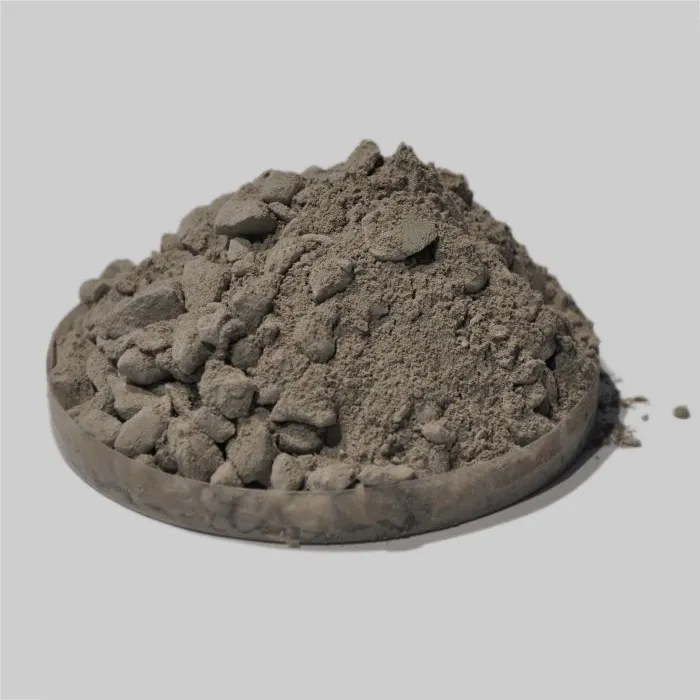
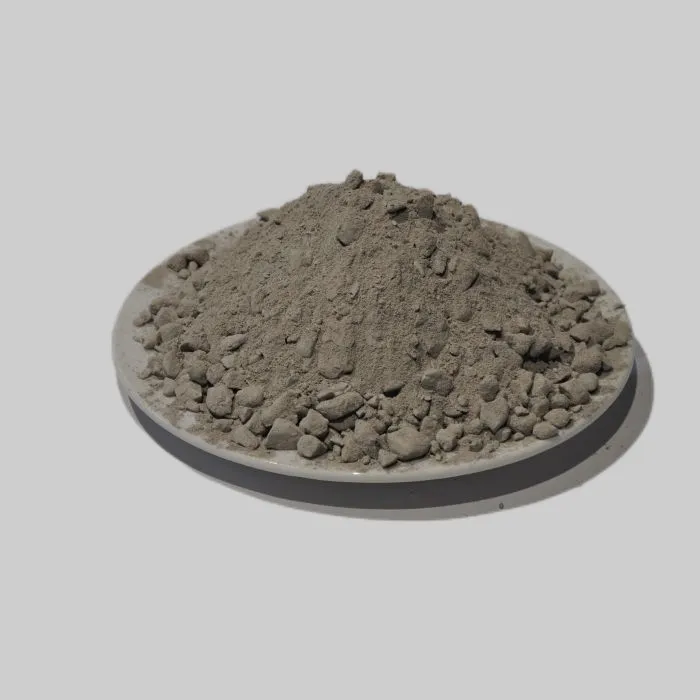
First off, let's quickly cover what gunning mix is. Gunning mix is a refractory material that's used in a variety of high - temperature applications. It's applied using a gunning machine, which sprays the mix onto the surface that needs protection. This makes it a great choice for quick repairs and lining installations in places like electric arc furnaces (EAFs), ladles, and other metallurgical vessels.
Understanding Compressive Strength
Compressive strength is a super important property of gunning mix. Simply put, it's the ability of the gunning mix to withstand pressure or loads without breaking or deforming. When you're dealing with high - temperature environments like in steelmaking, the gunning mix is constantly under pressure from the molten metal, slag, and mechanical forces. So, a high compressive strength is crucial to ensure the longevity and performance of the lining.
How is Compressive Strength Measured?
Compressive strength is usually measured in megapascals (MPa). To test the compressive strength of gunning mix, samples are prepared according to specific standards. These samples are then placed in a compression testing machine, which applies a gradually increasing load until the sample fails. The maximum load the sample can withstand before failure is divided by the cross - sectional area of the sample to calculate the compressive strength.
Factors Affecting Compressive Strength
There are several factors that can influence the compressive strength of gunning mix. Let's take a look at some of the most important ones:
1. Raw Materials
The quality and type of raw materials used in the gunning mix play a huge role. For example, high - grade refractory aggregates like alumina, magnesia, or silicon carbide can significantly increase the compressive strength. These materials have high melting points and good mechanical properties, which help the gunning mix withstand high pressures.
2. Particle Size Distribution
The way the particles in the gunning mix are sized and distributed also matters. A well - graded particle size distribution ensures that the particles pack together tightly, leaving fewer voids. This results in a denser and stronger gunning mix. If the particle size distribution is too narrow or too wide, it can lead to a weaker structure.
3. Water Content
During the application of gunning mix, the amount of water added is crucial. Too much water can create large pores in the gunning mix as it dries and cures, reducing its compressive strength. On the other hand, too little water can make the mix difficult to apply and may also lead to a weak bond between the particles.
4. Curing Conditions
How the gunning mix is cured after application can have a big impact on its compressive strength. Proper curing allows the chemical reactions in the mix to complete, which helps in developing the desired strength. Curing at the right temperature and humidity for the recommended time is essential.
Compressive Strength Requirements for Different Applications
The compressive strength requirements for gunning mix vary depending on the application. Let's look at a couple of common uses:
Electric Arc Furnaces (EAFs)
In EAFs, the gunning mix is exposed to extremely high temperatures and intense mechanical stress. The molten metal and slag can exert a lot of pressure on the lining. That's why a high - strength gunning mix is needed. Typically, the compressive strength of gunning mix used for Hot Patching EAF Gunning Mix should be in the range of 30 - 50 MPa or even higher, depending on the specific conditions of the furnace.
Ladles
Ladles are used to transport and pour molten metal. The gunning mix lining in ladles needs to withstand the weight of the molten metal and the mechanical impacts during pouring. For Ladle Gunning Mix, a compressive strength of around 20 - 35 MPa is often sufficient, but again, this can vary based on factors like the size of the ladle and the type of metal being handled.
Why Compressive Strength Matters in Your Business
If you're in the metallurgical or high - temperature industry, having a gunning mix with the right compressive strength can save you a lot of time and money. A gunning mix with high compressive strength will last longer, reducing the frequency of repairs and replacements. This means less downtime for your operations and lower maintenance costs. It also ensures the safety of your workers and the reliability of your equipment.
Our Gunning Mix Offerings
As a gunning mix supplier, we understand the importance of compressive strength. That's why we offer a wide range of gunning mixes with different compressive strength ratings to suit various applications. Our team of experts can help you choose the right gunning mix for your specific needs, taking into account factors like the temperature, pressure, and chemical environment of your operation.
How to Contact Us for Procurement
If you're interested in learning more about our gunning mixes or are looking to make a purchase, we'd love to hear from you. Whether you need a gunning mix with high compressive strength for your EAF or a more standard mix for your ladle, we can provide you with the best solutions. Reach out to us, and let's start a conversation about how we can meet your gunning mix requirements.
References
- ASTM C109/C109M - 21, Standard Test Method for Compressive Strength of Hydraulic - Cement Mortars (Using 2 - in. or [50 - mm] Cube Specimens).
- ASM Handbook, Volume 13A: Corrosion: Fundamentals, Testing, and Protection.
- Refractory Handbook, Edited by John N. Haynes.